
Water Heater Repair in Wenham, MA
Wenham has a lot of older farmhouses and estate-style properties on big lots, and a lot of those homes are still running steam or hot water boilers that were never sized right for a modern water heater tacked onto the same system. Add in the number of properties out here on well water, and you get tanks that scale up fast and heaters that work harder than they should just to keep a shower hot.
Water Heater Repair in Wenham
When your water heater starts acting up, the first call shouldn’t be to schedule a full replacement. Chris and the crew go out, look at the tank, check the age, check the anode rod, check the burner or the element, and tell you straight whether this is a twenty-minute fix or a sign the unit is done. Most calls in Wenham start with no hot water, lukewarm water, a popping or rumbling sound from the tank, or water pooling at the base. Each of those points somewhere different, and we don’t guess.
What Wenham Homes Typically Have
A good share of the housing stock here dates back decades, and it shows in the mechanical systems. You’ll find plenty of oil-fired steam and hot water boilers still in service, especially on the older farmhouse lots along the quieter roads. Natural gas is available on some streets in Wenham but not all of them, which changes what your repair or replacement options actually look like. If gas isn’t run to your street, you’re working with oil, propane, or electric, and that decision drives everything downstream.
Wenham also has a meaningful number of homes on private wells rather than town water. Well water tends to run harder and carries more sediment, which means faster mineral buildup inside a tank, more strain on heating elements, and shorter effective life on a water heater that would otherwise last well past a decade. If you’re on a well and haven’t had your water tested for hardness or iron, it’s worth doing before your next heater goes in, not after.
What the Work Involves
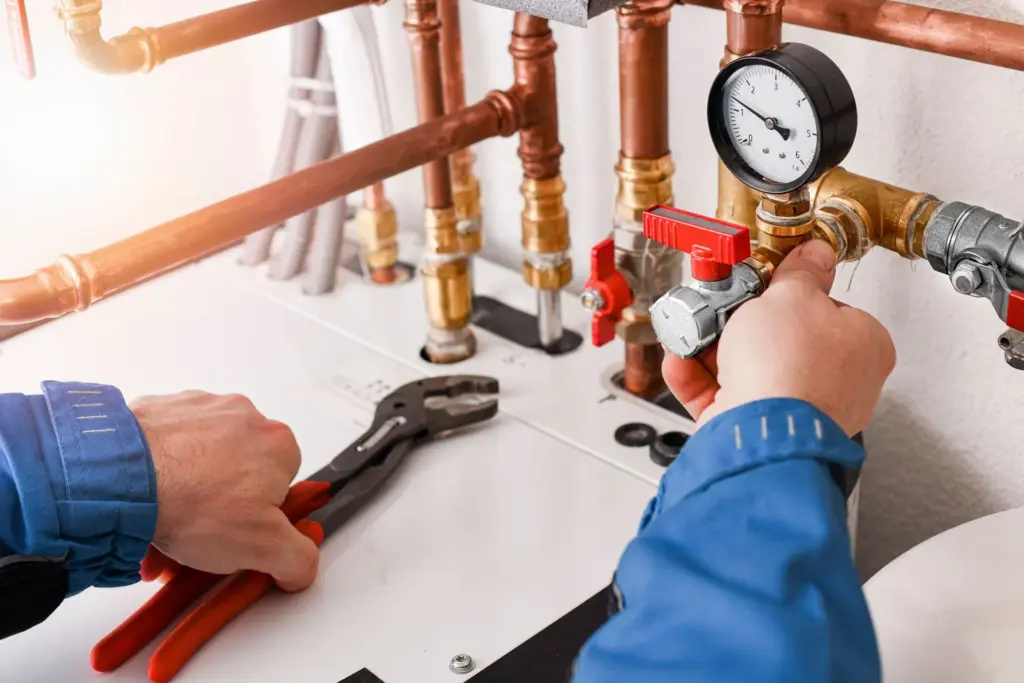
A straightforward tank repair usually means draining the unit partially or fully, depending on what we’re getting into. Replacing a heating element or thermostat on an electric unit means shutting off the breaker, pulling the access panel, and testing resistance before swapping parts. On a gas unit, a bad thermocouple or control valve gets tested and replaced with the gas supply isolated first. If the flue or venting looks marginal, we check that too, because a water heater that’s venting poorly is a safety issue, not just a comfort one.
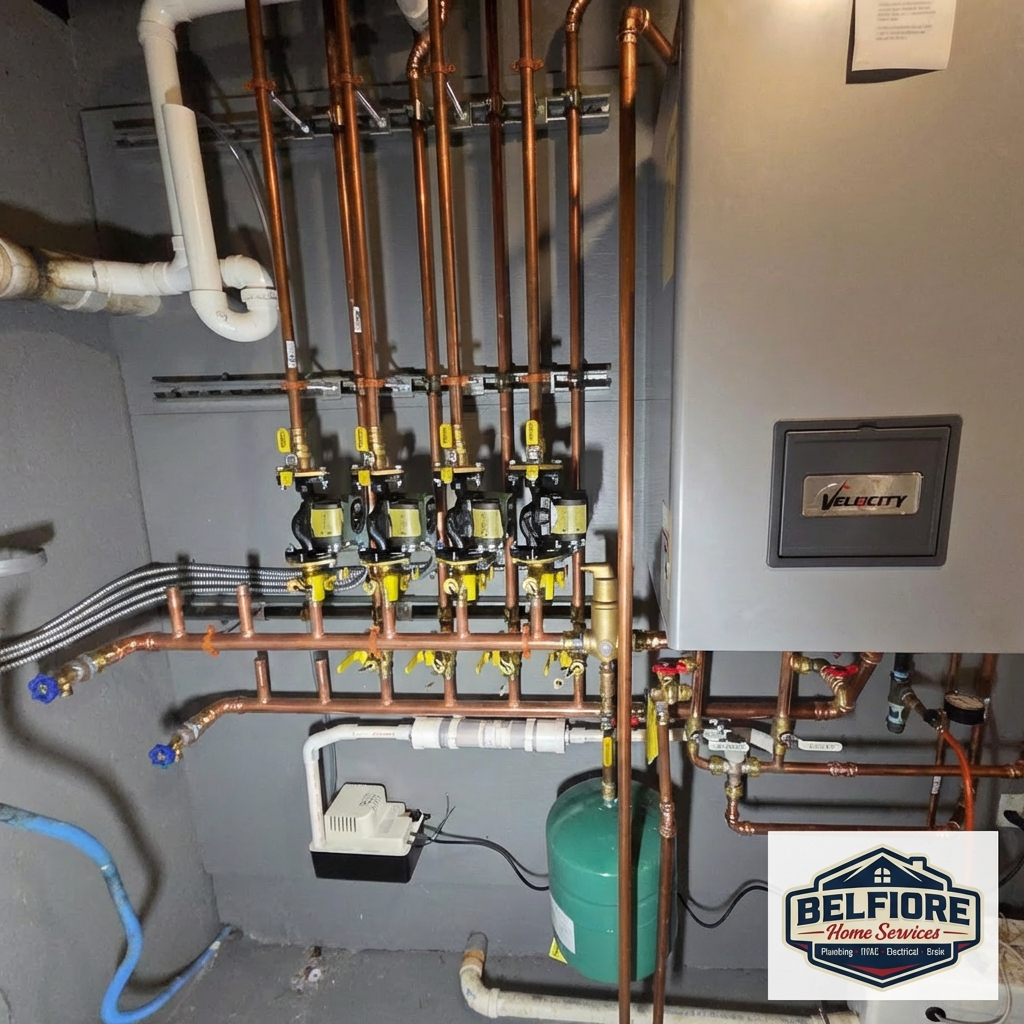
For homes with older side-arm setups tied into a boiler, sizing the whole system correctly does need attention, especially if someone’s added fixtures over the years without ever rechecking the tank’s recovery rate. A tank repair on a straightforward unit is usually a same-visit job. If it turns into a parts order for an unusual model, we’ll tell you that up front rather than have you wait around guessing.
Repair or Replace
Here’s the honest version. If your tank is under eight years old and the problem is a thermostat, heating element, thermocouple, or gas valve, that’s a repair, not a replacement conversation. Those parts fail on their own timeline and don’t mean the tank is going. We’ll fix it and you’ll get years more out of it.
If the tank is leaking from the body itself, not a fitting, that’s the tank rusting through from the inside, and no repair fixes that. If it’s past ten to twelve years old and you’re now on your second or third repair, replacement starts making more financial sense than throwing another part at it. We’ll walk you through both numbers before you decide anything. Chris doesn’t push a replacement on a heater that has good years left in it, and he won’t talk you into another repair on a tank that’s circling the drain either.
What It Costs
Cost depends entirely on what’s actually wrong. A thermostat or heating element swap is on the lower end. A gas control valve or thermocouple replacement runs a bit more. If the unit needs venting work brought up to code, or if it’s an oil-fired system tied into an old boiler with parts that aren’t stocked on the truck, that adds time and cost. We give you the number for the specific repair after we’ve looked at your unit, not a phone-quote guess. {PRICE}
How Long It Takes
Most standard repairs, a thermostat, an element, a thermocouple, a gas valve, get done in one visit, often within a couple of hours once we’re on site. You’re without hot water for the length of the repair, not longer, and we’ll tell you at the start of the visit roughly what window to expect. If a part has to be special-ordered for an older or unusual unit, we’ll say so right away and give you a realistic timeline instead of a vague one.
Common Questions
How do I know if my water heater needs repair or replacement?
Age and the type of failure both matter. A tank under eight years old with a bad thermostat, element, or gas valve is usually worth repairing. A tank leaking from the body, or one that's already had a couple of repairs and is past ten to twelve years old, is usually better replaced. We'll tell you which situation you're in after a look at the unit.
Is Wenham on natural gas or oil?
It varies by street. Some parts of Wenham have gas service, others are still on oil or propane for heating and hot water. We check what's actually available at your home before recommending a repair or replacement path.
Does well water affect my water heater?
Yes. Well water in Wenham tends to carry more sediment and hardness than town water, which speeds up mineral buildup inside the tank and can shorten the life of heating elements. If you're on a well, that's a factor in both repair frequency and how long a new tank will last.
How long will I be without hot water?
For most standard repairs, you're without hot water only for the length of the visit itself, often a couple of hours. If a part needs to be special-ordered for an older or uncommon unit, we'll tell you that upfront and give you a realistic timeline.
Can you work on a water heater tied into an old boiler system?
Reach Out for Water Heater Repair
If your water heater in Wenham is acting up, giving out, or just making noises it didn’t used to make, call {PHONE}. We’re a Salem-based company working across the North Shore, and we’ll get someone out to look at it and give you a straight answer.
Contact information
Talk to Chris
Chris handles the plumbing side of Belfiore and has seen the full range of what Wenham’s older homes throw at a water heater, from well water sediment to boilers that were never quite matched to the tank sitting next to them. He’ll tell you plainly whether your unit is worth fixing and what to expect if it isn’t. No pressure toward a bigger job than the one you actually have.