
Generator Installation and Connection in Newburyport, MA
Generator Installation and Connection in Newburyport
Walk through the South End or the blocks around the Bartlet Mall and you’re looking at houses built before anyone thought about central air, an EV in the driveway, or a sump pump that has to run all winter. Most of those homes were wired for a fraction of the load they carry now. When a nor’easter takes the lines down off the river, those are the houses that go dark first and stay dark longest.
A standby or transfer-switch generator is the fix. Belfiore installs the electrical side of that system in Newburyport – the transfer switch, the wiring, the load calculation – and coordinates with the generator install so the whole thing is done to code and inspected, not just plugged in and hoped for.
Why Newburyport Homes Need This
Newburyport’s downtown and surrounding neighborhoods are dense with federal and colonial-era construction, much of it on services that were upgraded piecemeal over the decades rather than replaced outright. It’s common to find a 100 amp panel feeding a house that’s had additions, a finished basement, and a heat pump added since. Some older properties still have cloth-insulated branch circuits behind the walls, and a portion of the housing stock in this part of the North Shore was never fully brought off 60 amp service before the last big renovation.
Add the location. Newburyport sits right on the water and takes the brunt of nor’easters and coastal flooding events that knock out utility power for a day or more at a time. A generator here isn’t a comfort item. It’s what keeps a sump pump running in a basement two blocks from the river, keeps a boiler firing so pipes don’t freeze in a January outage, and keeps a well pump alive for anyone just outside town on private water.
The wrinkle in Newburyport specifically is the housing itself. Historic-district homes often have service panels tucked into tight, original spaces, and the exterior of the house may have restrictions on where new equipment can sit. Sizing and placing the transfer switch and generator pad has to work with what the house will physically allow, not just what the load calculation says on paper.
What the Work Involves
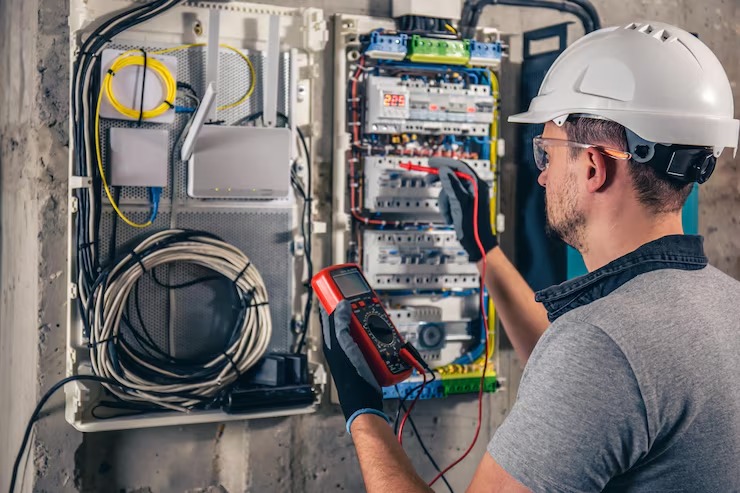
Brandon starts with a load calculation. That tells you what the generator needs to carry – is this a whole-house unit, or a subset of critical circuits like heat, sump pump, refrigerator, and a few lighting circuits. That decision drives everything after it.
The electrical work itself is the transfer switch installation: either an automatic transfer switch wired into the main panel, or a manual interlock kit depending on the panel and the budget. This is the piece that legally isolates your house from the utility grid the moment the generator kicks on, which is what protects utility linemen working on the street from backfeed. Skipping this step, or having it done by someone without a license, is a real safety hazard and it’s illegal in Massachusetts.
The utility company’s role is separate from ours. National Grid or the applicable utility has to sign off on the interconnection and, in some cases, inspect the meter setup before the system is live. We coordinate that scheduling so it doesn’t stall the project. On the Belfiore side, the work includes the transfer switch wiring, running conduit from the switch to the generator location, setting up the generator’s control wiring, and verifying the panel can accept the new load without exceeding its rating.
Power to the house is only interrupted for the portion of the job that requires working inside the live panel, typically a short window measured in hours, not days, and it’s scheduled with you in advance.
What It Costs
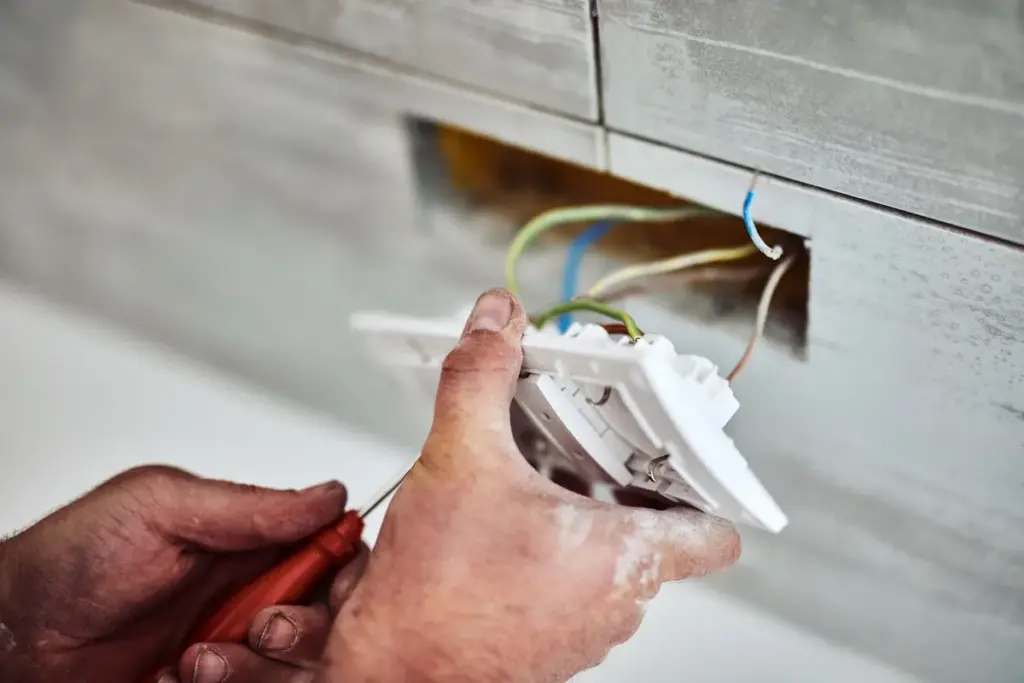
A straightforward transfer switch installation for an existing generator, on a panel with enough capacity and a straightforward run, runs {PRICE_LOW} to {PRICE_HIGH}. What moves that number: whether you need a panel upgrade alongside it because the existing service can’t support a whole-house unit, how far the generator has to sit from the panel, whether the historic-district home requires extra conduit routing to keep the installation out of sight from the street, and whether you’re doing a manual interlock versus a full automatic transfer switch with load management.
Older Newburyport homes on 100 amp or smaller services sometimes need that service upgraded before a generator installation makes sense. We’ll tell you upfront if that’s the case rather than installing around a panel that’s already maxed out.
How Long It Takes
Most transfer switch installations take one to two days of on-site work once the equipment is on hand. Lead time on the generator unit itself, especially before storm season, can push the overall timeline out several weeks – that part is on the manufacturer and distributor, not the electrical work. If a panel upgrade is part of the job, add another day. The utility company’s interconnection inspection is usually the last step and can add a few days of scheduling depending on their queue.
Permits and Inspection
Generator and transfer switch installations require an electrical permit in Newburyport, and the completed work is inspected by the local electrical inspector before it’s signed off. This isn’t optional paperwork – it’s the mechanism that confirms the transfer switch is wired correctly and the backfeed protection is actually doing its job. Belfiore pulls the permit and schedules the inspection as part of the job, which is one of the clearest differences between hiring a licensed electrician and hiring someone working without a license. For the code basis behind these requirements, the [EXTERNAL LINK: Massachusetts electrical code (527 CMR 12) reference page, to show the state amendment governing generator interconnection] lays out the state’s amendments to the National Electrical Code.
Common Questions
Can my Newburyport home's electrical panel handle a whole-house generator?
It depends on the service size. A lot of homes in the downtown and South End areas are still on 100 amp service, which limits what a whole-house unit can carry. Brandon does a load calculation on-site to tell you whether your panel supports it as-is or needs an upgrade first.
Do I need a permit for a generator installation in Newburyport?
Yes. Generator and transfer switch work requires an electrical permit and a local inspection in Massachusetts. Belfiore handles the permit application and schedules the inspection as part of the job.
What's the difference between an automatic transfer switch and a manual interlock?
An automatic transfer switch senses a utility outage and switches your house to generator power on its own, usually within seconds. A manual interlock requires you to flip the switch yourself. Automatic systems cost more but need no action from you during an outage.
Will the utility company need to be involved?
Yes, in most cases the utility inspects or approves the interconnection point, separate from the local electrical inspection. Belfiore coordinates that scheduling so it doesn't hold up the rest of the installation.
Can a generator run my well pump and sump pump during an outage?
Yes, those are typically among the first circuits included in a critical-circuits setup, along with heat and refrigeration. We size the transfer switch and generator to cover whatever circuits matter most for your house.
Reach Out for Generator Installation
Call Belfiore at {PHONE} to talk through your panel, your home’s age, and what you actually need covered when the power goes out. We work across Newburyport and the surrounding North Shore, and we’ll give you a straight answer about what your house needs, not a generic sales pitch.
Contact information
Talk to Brandon
Brandon handles every generator and transfer switch job himself, from the load calculation through the final inspection. If you’re trying to figure out whether your Newburyport home can support a whole-house unit or should plan for a critical-circuits setup instead, that’s a conversation worth having before any equipment gets ordered.