
Bathroom Plumbing Remodeling in Danvers, MA
A lot of Danvers bathrooms are still running on plumbing installed decades before anyone thought about a rain shower head or a double vanity. Between the older steam and hot water boilers common in this town, water heaters that were undersized for the house even when they were new, and pockets of well water that need real filtration rather than a nice-to-have filter, a bathroom remodel here is rarely just cosmetic. Chris and his crew handle the plumbing side of these projects across Danvers, from a single fixture swap to a full gut down to the studs.
Bathroom Plumbing Remodeling in Danvers
Bathroom remodels in Danvers tend to fall into two camps: capes and colonials built between the 1920s and 1950s near the center of town, and the newer split-levels and ranches further out toward Route 1 and Liberty Tree Mall. The older homes usually have cast iron or galvanized drain lines somewhere in the system, even if the fixtures themselves were updated at some point. The newer stock is more likely to have PVC or ABS drains and copper or PEX supply, which makes tie-ins simpler and the job faster.
Either way, the plumbing work is the part of the remodel that has to be right before anything else goes back together. Chris walks the job first, figures out what’s original and what’s already been touched, and quotes based on what’s actually behind the wall, not a guess.
What Danvers homes typically have
Danvers has a genuine mix of heating and water setups, and it changes what a bathroom remodel involves. Homes near the town center and older neighborhoods off Maple Street and Locust Street often still run steam or hot water boilers, some of them well past a normal design life, which matters if the remodel includes a heated towel bar or radiant floor loop tied into the existing system. Newer construction out toward the Ipswich River side of town is more likely to have a gas-fired combi boiler or a standard water heater with more capacity.
Gas availability also varies. Parts of Danvers have natural gas on the street, which makes a tankless water heater or gas-fired heated floor straightforward. Other pockets still run on oil heat, and if that’s the case, a bathroom remodel that wants gas-fed features means either running a new gas line from the street, if it’s available, or looking at electric alternatives instead. Water source matters too. Most of Danvers is on town water, but there are homes on private wells, especially further from the center, and those need a look at the pressure tank and filtration setup before adding fixtures.
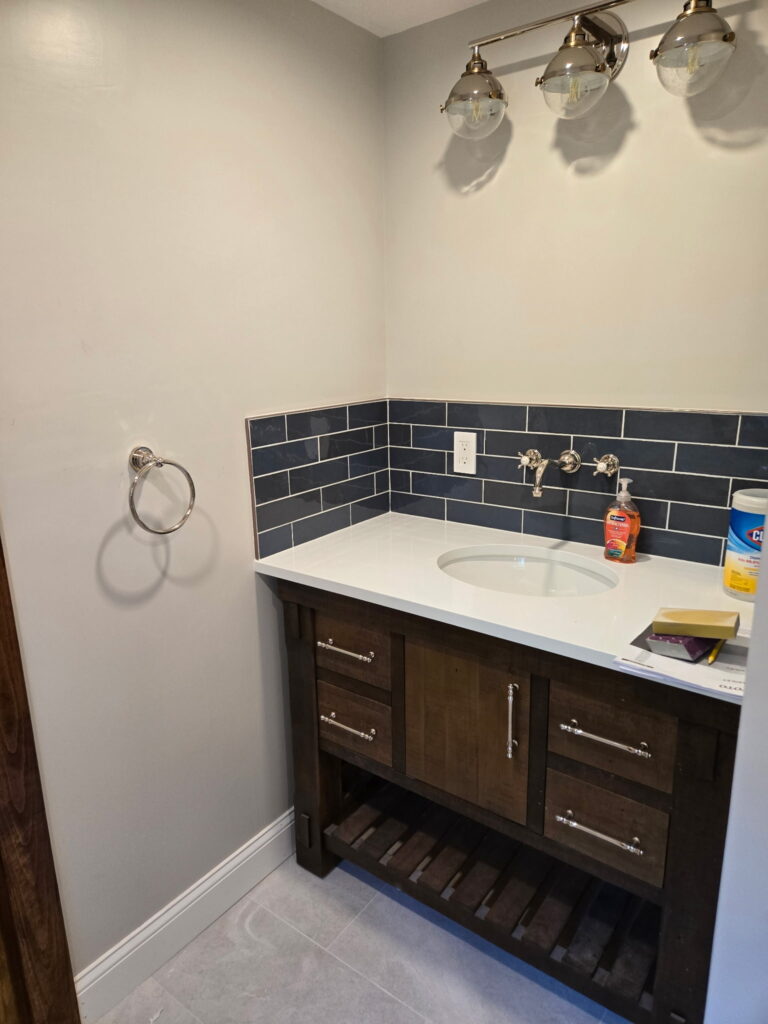
What the work involves
A bathroom plumbing remodel breaks into a few concrete stages. First, the water supply to the bathroom gets shut off and drained, and if it’s a full remodel, the drain and vent stack gets opened up too. Moving a toilet, tub, or vanity to a new spot means relocating the drain arm and keeping the right slope, generally a quarter inch per foot, so it doesn’t back up down the line. It also usually means extending or adding a vent connection so the trap doesn’t siphon dry.
If the remodel adds a gas-fired heated towel rack, a gas fireplace insert nearby, or swaps in a tankless water heater to support the new fixtures, that’s a gas sizing question: we calculate BTU load across everything already on that line before running new pipe, because undersized gas line is a common problem in older Danvers houses that have had appliances added over the years without anyone rechecking the math.
During the rough-in phase, most homes are without water to that bathroom, and if it’s the only full bath in the house, we talk through timing up front so you’re not caught without a working shower for longer than expected.
Repair or replace
Not every bathroom problem needs a remodel. If a shower valve is failing, a toilet keeps running, or a vanity faucet is leaking at the base, that’s usually a straight repair or fixture swap, not a reason to open walls. Chris will tell you flat out when a $200 fix solves the problem instead of talking you into a bigger job.
Full replacement makes sense when the pipe behind the wall is the actual problem: galvanized supply lines that have narrowed with mineral buildup, a cast iron drain that’s rusted through, or a layout that just doesn’t work anymore because you’re adding a second sink or converting a tub to a curbless shower. If we open a wall for a repair and find corroded galvanized pipe or old lead, we’ll stop and show you before deciding whether to extend the scope. That’s a common find in Danvers’ older housing stock, and it’s better to deal with it once than patch around it.
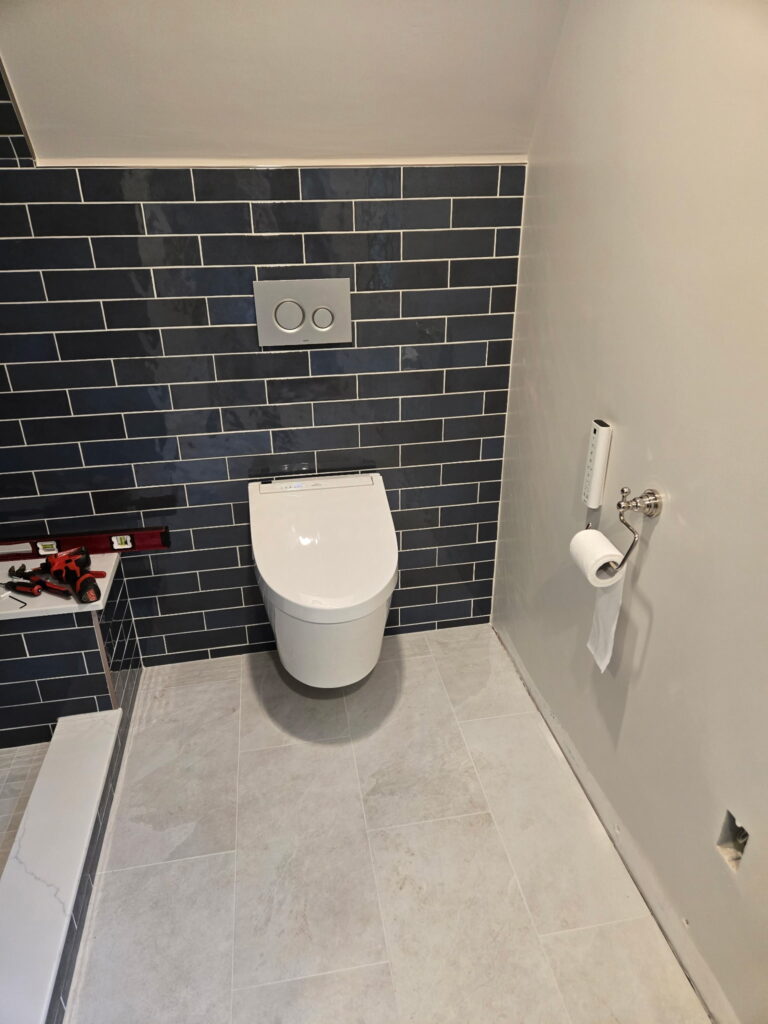
What it costs
Bathroom plumbing costs in Danvers depend mostly on whether fixtures are staying in place or moving. Keeping the toilet, tub, and sink in their existing locations and just swapping fixtures is the least expensive version of the job, since supply and drain lines don’t change. Relocating fixtures, adding a second sink, or converting a tub to a walk-in shower costs more because it involves new drain runs, vent modifications, and sometimes supply line upsizing.
Gas line work, if the remodel adds a gas-fed feature, is priced separately based on length of run and BTU load. Chris gives you a written number after seeing the space and the existing rough-in, not a phone estimate, because guessing on a remodel almost always guesses wrong. Ask for {PRICE} range specifics when you call.
How long it takes
A fixture-only bathroom plumbing update, no relocation, generally takes a day or two. A remodel that relocates the toilet or shower drain, or adds a second sink, usually runs a few days for the plumbing portion alone, before tile and finish work starts. Full gut remodels where we’re re-running supply and drain lines and coordinating with an electrician for a new exhaust fan or heated floor thermostat can take a week or more of plumbing-specific time, spread across the larger project timeline. We’ll give you a realistic schedule before work starts, including how long the bathroom, or the house, will be without water.
Common Questions
Do you need to move drain or supply lines for a bathroom remodel?
Sometimes, and it depends on what you're changing. Swapping a tub for a walk-in shower usually means relocating the drain and adjusting the trap arm to keep the right slope. Moving a toilet or sink to a new wall means new supply lines and often a new vent connection. If you're keeping fixtures in the same footprint, the plumbing work is much lighter and cheaper.
Is my Danvers home's water pressure going to support a rain shower head or double vanity?
It depends on your service line size and whether you're on town water or a well with a pressure tank. Older 1/2-inch supply lines sometimes need to be upsized to 3/4-inch to run two fixtures at once without a pressure drop. Chris checks static and running pressure before quoting any remodel that adds fixtures.
Can plumbing and electrical work happen at the same time during a bathroom remodel?
Yes. Since Belfiore covers both trades, Chris and Brandon can coordinate rough-in scheduling so the electrician sets boxes for a heated floor thermostat or exhaust fan while the plumbing rough-in is open, instead of two separate contractors working around each other.
What happens if you open a wall and find galvanized or lead pipe?
It happens more often than you'd think in Danvers' older housing stock. If we hit galvanized supply pipe or old lead, we'll stop and talk through it before continuing, because it usually means extending the repipe further than the original scope to avoid leaving a weak joint behind drywall.
Do you handle the tile and fixtures too, or just plumbing?
Reach Out for Bathroom Plumbing Remodeling
Belfiore is a Salem-based, licensed plumbing and electrical company working across Danvers and the North Shore. Call {PHONE} to set up a time for Chris to look at your bathroom and talk through what the remodel actually needs.
Contact information
Talk to Chris
Chris runs the plumbing side at Belfiore and walks most remodel jobs himself before quoting them. If you’re planning a Danvers bathroom remodel and want a plumber who’ll tell you what’s actually behind the wall instead of a standard number pulled off a spreadsheet, that’s the conversation to have before you pick tile.