
Tankless Water Heater Installation in Swampscott, MA
A lot of Swampscott homes are still running a 40 or 50 gallon tank that was undersized the day it was installed, feeding a house that’s added a bathroom or two since. Add in older steam or hot water boilers doing double duty, or well water pushing sediment through everything downstream, and a straight swap for another tank isn’t always the right call anymore.
Tankless Water Heater Installation in Swampscott
Going tankless in Swampscott means dealing with two things at once: the age of the house and the tightness of the lot. A lot of properties here were built before anyone thought about mechanical room access, so venting a new unit through an exterior wall or up through a chimney chase takes some planning. Chris looks at gas supply, venting path and where the unit can actually go before anyone talks about a specific model. On a coastal property, exterior vent caps and connectors need to hold up to salt air, so we don’t spec parts that’ll corrode out in a few winters.
What Swampscott Homes Typically Have
Swampscott’s housing stock skews older, plenty of it pre-1950 with additions and updates layered on over the decades. That means original steam boilers in some basements, converted hot water systems in others, and water heaters that were sized for a smaller household than the one living there now. Gas is available on most streets in town, which helps, but there are pockets, especially closer to the water, still running on oil. If your house is oil heat only with no gas line run to it, that changes the tankless conversation, since running new gas service is its own project with its own cost.
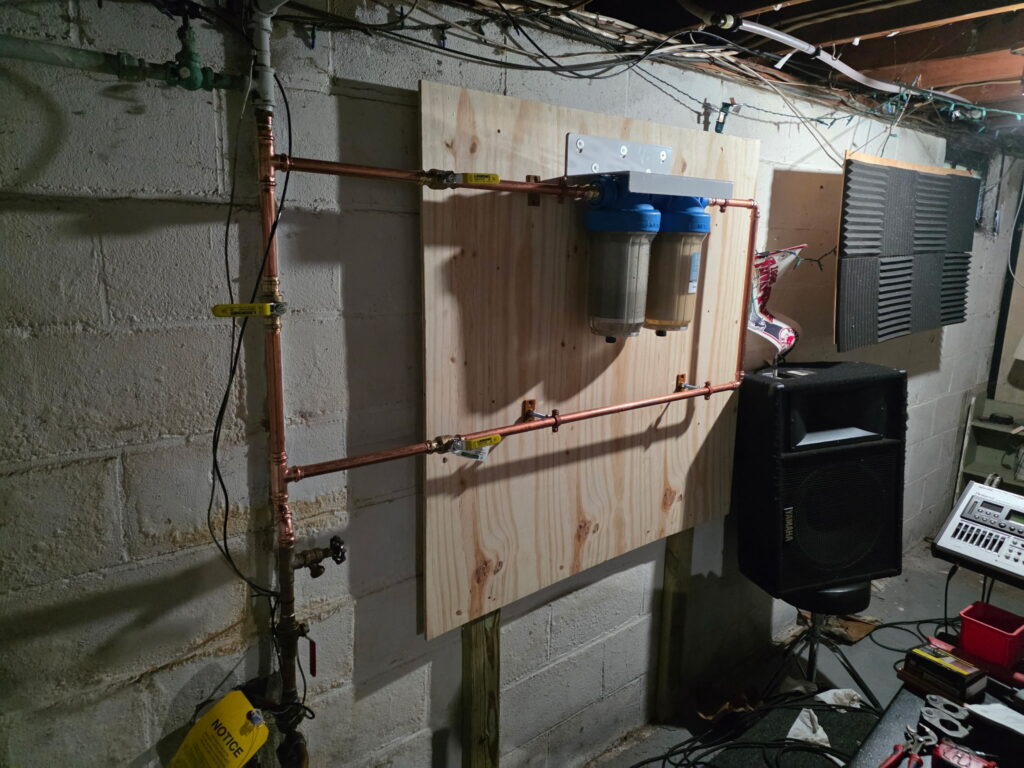
Town water covers most of Swampscott, but there are properties on private wells, particularly on the outskirts. Well water here often carries enough sediment and hardness to matter. A tankless unit is far less forgiving of scale buildup than an old tank was, so if you’re on a well, filtration isn’t an optional upsell. It’s what keeps the heat exchanger from fouling in year two.
What the Work Involves
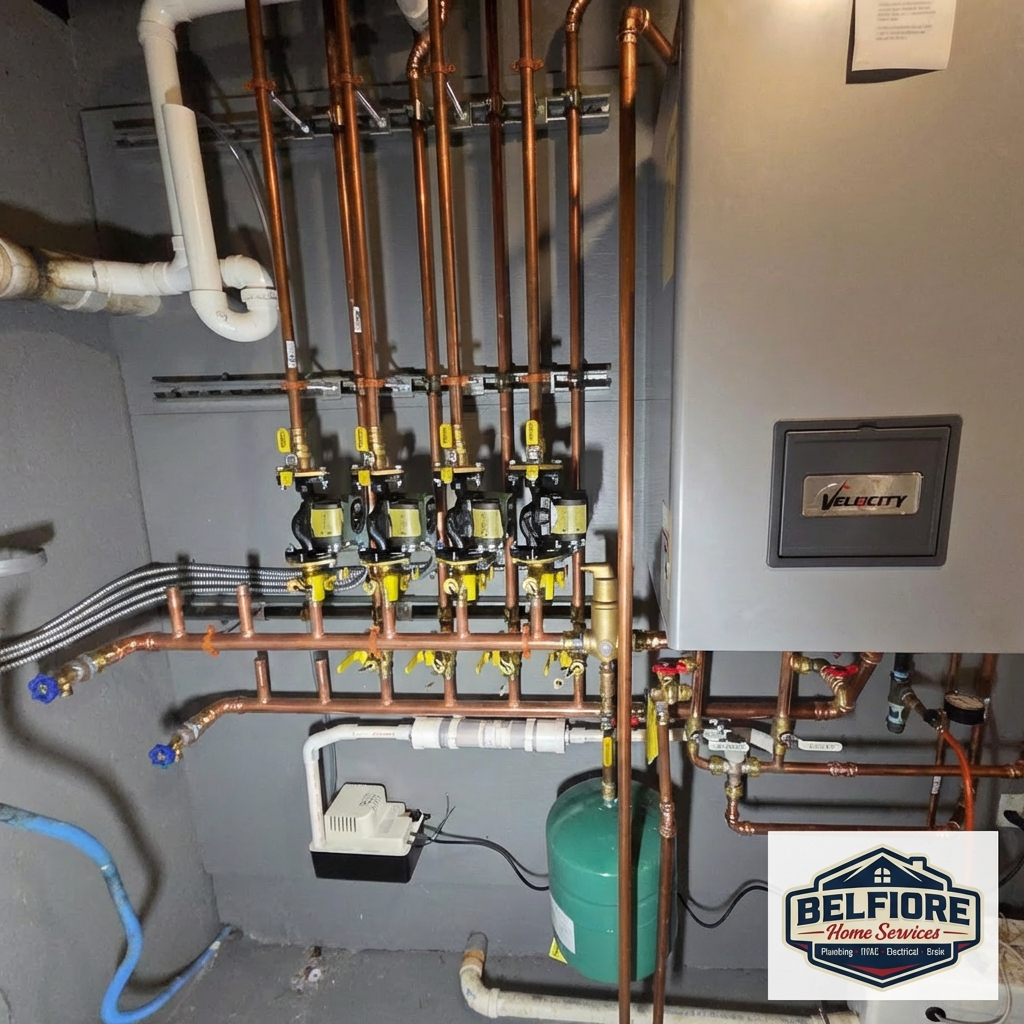
The old tank gets drained and disconnected first. Depending on age and how it was plumbed, that can take anywhere from thirty minutes to a couple hours if the shutoff valve has seized, which happens more than you’d think on units over ten years old. From there it’s about matching gas line size to the new unit’s BTU demand. A lot of tankless units need more gas than the old tank did, sometimes a 3/4 inch or larger line where a 1/2 inch was fine before. Undersizing the gas line is the most common corner-cutting mistake on tankless jobs, and it shows up as a unit that can’t hit temperature on high demand.
Venting is the other technical piece. Most residential tankless units are direct vent, meaning they pull combustion air from outside and exhaust through PVC or stainless steel venting, not the old chimney. On a tight coastal lot, finding a code-compliant termination point away from windows, doors and property lines takes some measuring before the unit ever goes on the wall. A straightforward swap with gas and venting already roughed in the right size can be done same day. If we’re upsizing the gas line or running new venting, plan on the better part of a day, sometimes into a second for tricky access.
Repair or replace
Not every water heater problem means you need a new system, tankless or otherwise. If your existing tank is under eight years old and the issue is a bad thermocouple, a failed dip tube, or sediment buildup causing rumbling and reduced hot water, that’s a repair, not a replacement, and Chris will tell you that straight up. Same goes for an existing tankless unit throwing an error code for a clogged inlet filter or a venting obstruction. Those are usually quick fixes.
Where replacement starts making sense is a tank past ten to twelve years old, especially one that’s already leaked or is showing rust at the fittings, or a household that’s consistently running out of hot water no matter what size tank is in there. If you’re gutting a bathroom or kitchen anyway, that’s often the practical time to make the switch, since the plumbing’s already open. We’re not going to sell you a tankless system to fix a problem a $200 part would solve.
What it costs
Tankless installation cost depends mostly on how much of the existing setup we can reuse. A direct swap with adequate gas sizing and an accessible vent path runs less than a job that needs a gas line upsized, new venting run through an exterior wall, or electrical work for the unit’s control board. Homes with well water that need a filtration system ahead of the tankless unit will see that as an added line item, but it protects the investment. Chris gives you the actual number after seeing the mechanical room and the gas meter, not before. {PRICE}
How long it takes
A standard replacement, same size, same venting, same gas line, typically wraps in a single day, and you’re not without hot water overnight. Jobs that involve upsizing the gas line from the meter or running new vent penetrations through masonry or old plaster walls take longer, sometimes two days depending on what’s behind the wall. Chris will tell you upfront which category your job falls into before work starts, not after he’s already opened something up.
Common Questions
Can any house in Swampscott go tankless, or does gas service matter?
Gas service matters a lot. If your street has gas and your house is already on it, conversion is usually straightforward. If you're on oil heat with no gas line, you're looking at running new gas service first, which is a bigger project and changes the cost picture.
Do I need a water softener or filter with a tankless unit on well water?
In most cases, yes. Tankless heat exchangers have tight passages that scale up faster than a tank ever did. If you're on a private well in Swampscott, filtration ahead of the unit protects it and keeps the manufacturer warranty valid.
How much bigger does my gas line need to be?
It depends on the unit's BTU rating and how far the run is from the meter. Some tankless units can work with an existing 1/2 inch line if the run is short, others need 3/4 inch. Chris checks this before quoting the job, not after installation.
Is my old tank worth repairing instead of switching to tankless?
Often, yes. If the tank is under eight years old and the failure is a common part like a thermocouple or dip tube, a repair makes more sense than a full replacement. We'll tell you when that's the case.
Will I be without hot water during the switch?
Reach Out for Tankless Water Heater Installation
If your water heater is aging out, or you’re planning a renovation in a Swampscott home and want to know whether tankless makes sense for your gas service and layout, call {PHONE}. We work across Swampscott and the rest of the North Shore, and we’ll give you a straight answer on repair versus replace before we talk equipment.
Contact information
Talk to Chris
Chris runs the plumbing side of Belfiore and handles the tankless jobs directly, from the first look at your gas meter to the final pressure test. He’ll tell you if your current tank still has life left in it before he tells you about a new system. That’s the conversation worth having before you spend money either way.