EV Charger Installation in Rowley, MA
A lot of houses on Rowley’s back roads still run on the 100 amp service that got installed when the well pump and the electric stove were the biggest draws in the house. Now there’s a Tesla or an ID.4 in the driveway and someone wants a Level 2 charger in the barn or the garage. That’s the job we get called for most on this side of town: figuring out whether the panel that’s been fine for forty years can actually carry a 40 or 50 amp charging circuit, or whether it needs help first.
Why Rowley Homes Need This
Rowley’s housing stock skews old and rural. Farmhouses, converted barns, capes on well and septic systems set back from the road. A lot of that wiring predates the idea of an electric vehicle by seventy years. We still find 60 amp services on some of the older lots, cloth-insulated branch circuits in houses that haven’t been touched since the 1960s, and the occasional Zinsco or Federal Pacific panel that was never great even when it was new. None of that is a problem you can just ignore and bolt a charger onto.
There’s also the generator conversation, and it comes up in the same visit almost every time. Rowley loses power for real stretches when a nor’easter takes down trees on the rural lines out here, and a house running a well pump can’t just wait it out. If you’re already opening up the panel for a charger circuit, it’s worth talking about a generator interlock or transfer switch at the same time, because the labor overlaps and doing it twice costs you twice.
What the Work Involves
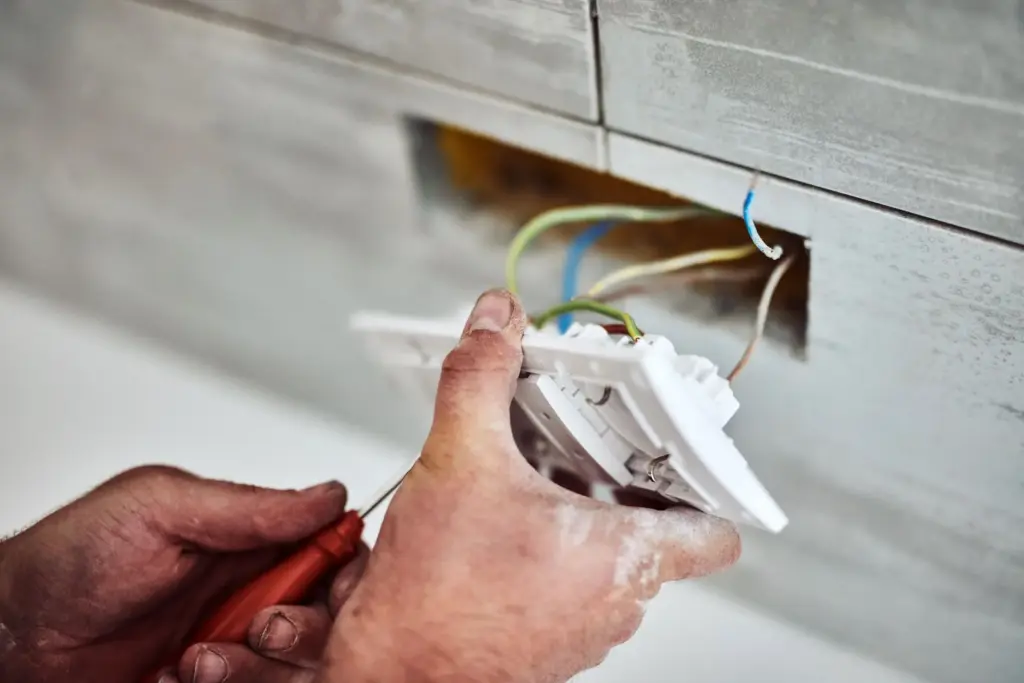
Brandon starts by opening the panel and checking three things: the service size coming in, the available breaker space, and the condition of the wiring itself. A Level 2 charger typically needs a dedicated 240 volt circuit, usually on a 40 or 50 amp breaker depending on the charger’s draw, run in copper of the correct gauge for that load and distance. Aluminum branch wiring, if we find it, gets flagged before anything else moves forward.
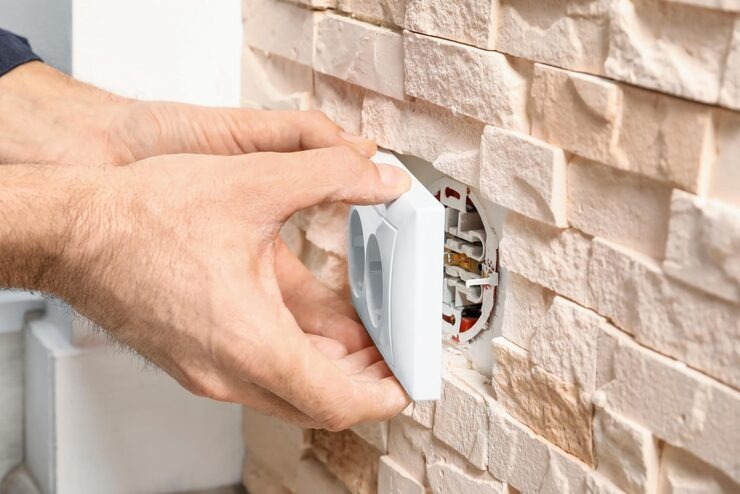
If the panel has room and the service is adequate, it’s a same-day job: run the circuit, install the breaker, mount the charger on the wall or post, terminate it, and test it under load. If the panel is full, undersized, or one of the older brands we don’t trust, the job becomes a panel upgrade first and a charger install second. The power to your house goes out for the actual panel work, generally under a couple of hours, and that part is scheduled with you in advance. If new service capacity is needed from the street, the utility handles the transformer and meter side; Brandon handles everything from the meter back into your house.
What It Costs
A straightforward 240 volt circuit and charger install where the panel already has capacity runs {PRICE_LOW} to {PRICE_HIGH}. That range moves with wire run length, whether the charger is going in a detached garage or barn requiring a trenched feeder, and the charger brand’s specific mounting and load requirements. If the panel needs to be upgraded or replaced to support the new circuit safely, that’s priced separately and Brandon will tell you before any work starts, not after the panel’s already open.
How Long It Takes
Most straightforward installs are done in a single visit, typically four to six hours including the load test. Detached structures, longer trenching runs, or a panel upgrade add a day. If the utility needs to upgrade service to the house, that piece is on their schedule, not ours, and it’s the one variable we can’t control directly.
Permits and Inspection
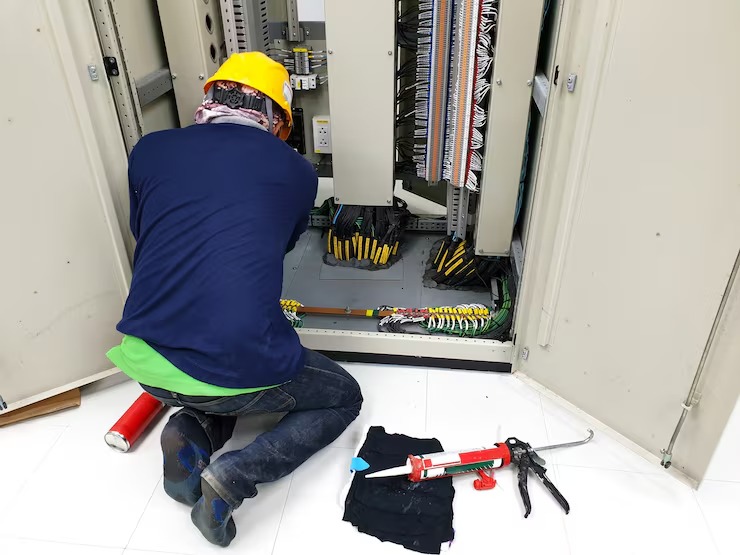
EV charger circuits are electrical work under the Massachusetts electrical code, which means a permit and a town inspection, same as a panel upgrade or a new circuit for anything else. We pull the permit, the inspector checks the work, and you get a signed-off installation on record. That matters more than it sounds like it should. Unlicensed and unpermitted charger installs are common because it looks like a simple job, and a 50 amp circuit done wrong at your main panel is not a minor mistake. [EXTERNAL LINK: Massachusetts Board of State Examiners of Electricians – electrical permit requirements, useful because it shows homeowners this isn’t an optional step]
Common Questions
Can my current panel handle an EV charger?
Depends on the amperage of your service and what else is already on the panel. A 200 amp service usually has room. A 100 amp service in an older Rowley home often doesn't, especially with electric heat or a well pump already drawing on it. Brandon checks the actual load calculation rather than guessing.
Do I need a specific brand of charger, or does it matter?
Most Level 2 chargers, whether Tesla, ChargePoint, or another brand, wire into a standard 240 volt circuit. The differences are in amperage draw and mounting, not in the electrical work itself. Bring us the model and we'll size the circuit to match.
Is a permit really required for a home charger?
Yes. It's treated the same as any other electrical circuit work in Massachusetts. We handle the permit and schedule the town inspection as part of the job.
What if I have an older Federal Pacific or Zinsco panel?
Can you install a generator interlock at the same time?
Reach Out for EV Charger Installation
Call {PHONE} to get a straight answer on what your Rowley home needs for EV charging. Brandon will walk you through the panel, the circuit, and the realistic cost before anyone touches a wire.
Contact information
Talk to Brandon
Brandon’s the one who’ll actually be in your panel, so it’s worth talking through what you’ve got before you pick a charger. Tell him the make of your vehicle, where you want the charger mounted, and roughly how old your panel is, and he can usually tell you over the phone whether you’re looking at a simple circuit or a bigger project.