
Boiler Repair in Ipswich, MA
Ipswich has more First Period and colonial housing than almost anywhere on the North Shore, and a lot of it is still heated by the boiler that came with a renovation twenty or thirty years ago. When that system stops mid-winter, you need someone who knows steam and hot water heating, not just tankless water heaters and modern combi units. On top of that, plenty of Ipswich homes are on well water, which changes how a boiler’s expansion tank and fill valve behave over time.
Boiler Repair in Ipswich
We work across Ipswich on both oil-fired and gas-fired boilers, in everything from a saltbox near the Ipswich River to a newer build off Linebrook Road. Chris handles the plumbing side of these calls himself. Most repair visits start the same way: check the pressure, check the aquastat, look for water where it shouldn’t be, and figure out whether this is a five-minute fix or a sign the boiler is done.
Ipswich’s older housing stock means we see a wide range of boiler ages and setups on any given week. A cast iron boiler from the 1980s and a newer high-efficiency unit fail in different ways, and the diagnosis has to match the equipment in front of us, not a generic checklist.
What Ipswich homes typically have
Ipswich’s building stock runs old. There’s a real concentration of First Period and colonial-era homes, many added onto over the decades, alongside pockets of newer construction near the coast and out toward the Topsfield line. Heating in the older homes is often steam or gravity hot water that’s since been converted to forced hot water with zone valves and circulators bolted on over the years.
Gas availability is genuinely mixed here. Parts of Ipswich have gas on the street. Other stretches, especially further from the center and out toward the rural edges of town, run on oil, and that’s not a knock on the house, it’s just how the utility footprint grew. If you’re deciding between repairing an oil boiler and switching fuel types, that’s a bigger conversation than a repair call, and we’ll tell you honestly if your street even has gas to switch to.
Well water is common outside the downtown core, and that matters for boiler longevity. Hard water and mineral content shorten the life of heat exchangers and can clog fill valves faster than town water does. If your boiler is chewing through parts faster than it should, well water is often part of the story.
What the work involves
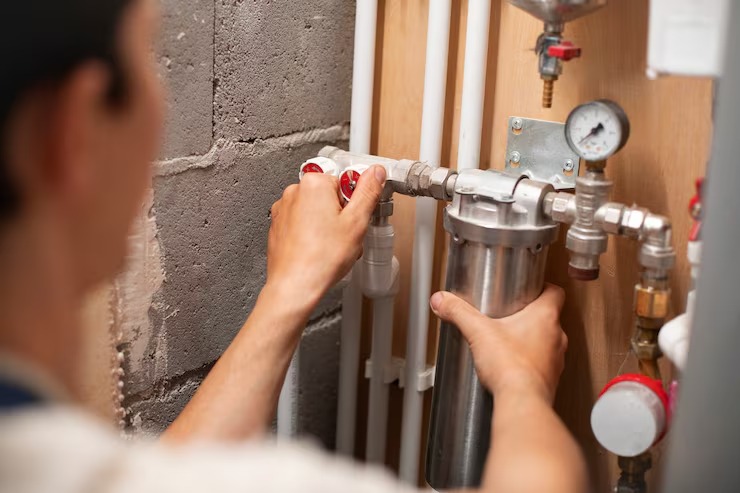
A boiler repair call is a sequence, not a single task. First we isolate the system: shut the zone valves or drain the section of the loop that needs work. On a steam system that means dropping the water level and pulling the low water cutoff to check it. On hot water systems it’s usually draining a zone rather than the whole boiler.
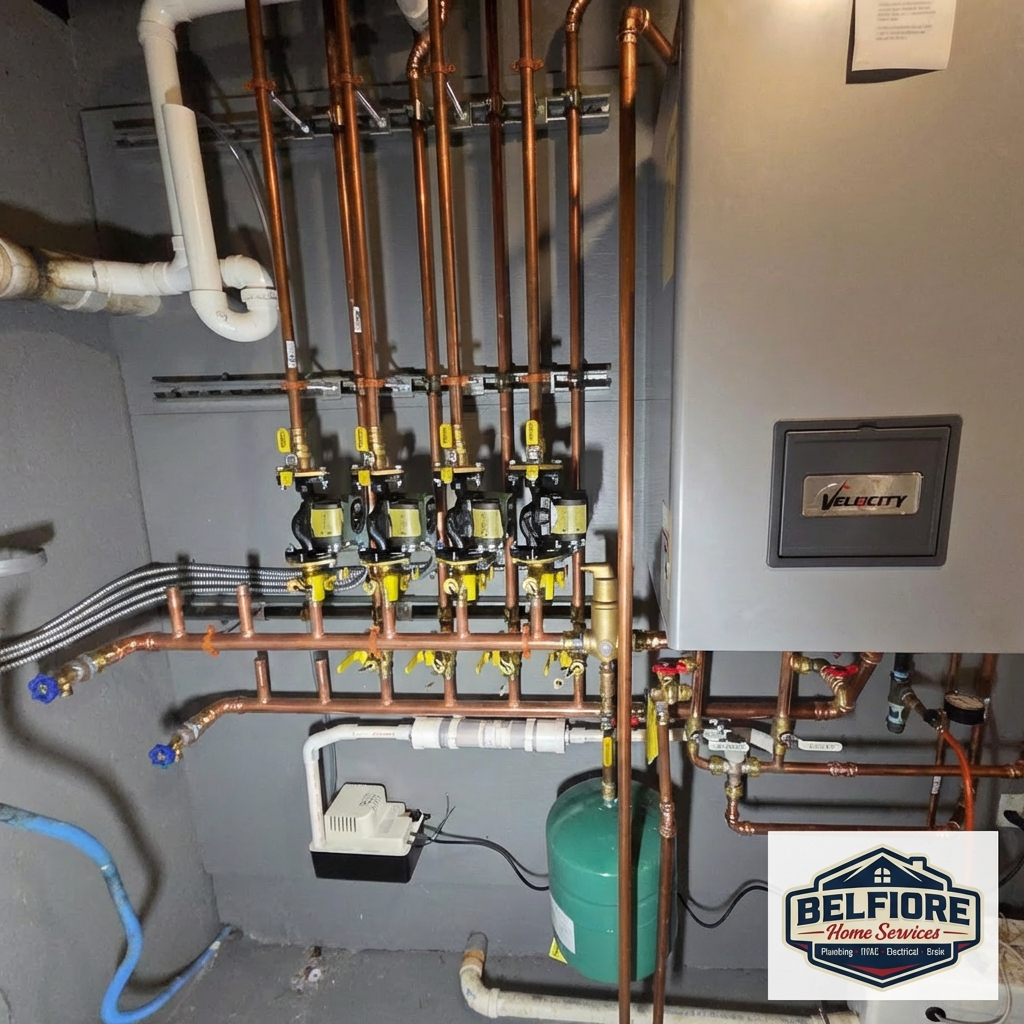
From there it depends on what’s failed. A bad circulator gets pulled and replaced. A failed zone valve gets swapped and the wiring rechecked, since older systems sometimes have splices that haven’t aged well. If the burner needs attention on an oil unit, that includes checking nozzle size and draft. On gas boilers we check gas sizing at the union and confirm venting is still pitched and sealed correctly, especially in homes where duct or vent work has been touched during a renovation.
Most repairs leave a house without heat for a few hours, not days. If parts need ordering, we’ll tell you that up front so you can plan for it, and we’ll talk through whether a space heater or two gets you through the gap.
Repair or replace
This is the part most companies skip past, and it’s the part that matters most. A lot of boiler problems are genuinely worth fixing. A failed circulator, a bad zone valve, a stuck aquastat, a leaking gasket on a still-sound cast iron boiler: these are normal wear items on equipment that can run for years more. If your boiler is in that category, we’ll say so and fix it.
Replacement makes sense when the heat exchanger itself is cracked or leaking, when a cast iron boiler is heavily rusted at the base, or when you’re paying for a third or fourth repair on a unit already past the age where parts are getting hard to source. In an old Ipswich house, we also look at whether the current boiler was ever sized correctly for the place. Some of these systems were installed decades ago for a smaller footprint before an addition went on, and they’ve been struggling ever since.
We’re not going to sell you a new boiler because the old one is inconvenient. If the honest answer is repair, that’s what we tell you at the kitchen table.
What it costs
Boiler repair costs in Ipswich vary with what’s actually wrong. A circulator or zone valve replacement sits at one end. A burner rebuild on an oil system, or a heat exchanger issue that turns into a replacement conversation, sits at the other. We’ll diagnose first and give you a number for the actual repair, in {PRICE_RANGE}, before any work starts, not a vague estimate after the fact.
If replacement turns out to be the right call, that’s a separate quote entirely, and we’ll walk you through the difference between repairing what you have and putting in a new system sized properly for your home.
How long it takes
Most boiler repairs in Ipswich are same-day work once we’ve diagnosed the problem, usually a few hours depending on what needs replacing and whether parts are on the truck. Older or less common components sometimes need ordering, particularly on discontinued cast iron boilers, and we’ll tell you honestly if that’s the situation rather than guessing.
If a full replacement is needed, that’s typically a one-day install for most residential systems, though we’ll confirm the timeline once we’ve seen the mechanical room and the venting setup.
Common Questions
Why is my Ipswich boiler losing pressure?
Usually a slow leak somewhere in the system, a failing pressure reducing valve, or a bad expansion tank. On well water systems, mineral buildup can also affect fill valve function. We check all three before assuming the worst.
Is oil or gas more common for boilers in Ipswich?
It's genuinely mixed. Some parts of town have gas on the street, others run on oil, especially further from the center. We'll tell you what's realistic for your address rather than assuming.
How old is too old for a boiler?
Age alone isn't the deciding factor. A well-maintained cast iron boiler can run 25 to 30 years. What matters more is whether the heat exchanger is sound and whether parts are still available.
Do you work on steam boilers as well as hot water systems?
Yes. Ipswich has a fair number of older steam systems, some converted to hot water over the years and some still original. We service both.
Can well water cause boiler problems?
Reach Out for Boiler Repair
If your heat is out or acting up anywhere in Ipswich, call {PHONE}. We’re a Salem-based company working across the North Shore, and we’ll get someone out to look at your boiler and give you a straight answer on what it needs.
Contact information
Talk to Chris
Chris runs plumbing and heating for Belfiore, and he’s the one who’ll walk your mechanical room, check your boiler, and tell you straight whether it’s a repair or a replacement conversation. No sales pitch, just what the equipment is telling us and what your options are.