Tankless Water Heater Installation in Andover, MA
A lot of Andover homes are running a water heater that was sized for the house as it was thirty years ago, not the house it is now after two additions and a finished basement bath. Add in the number of properties out here still on well water, and you’ve got two real reasons to think hard about how hot water gets made, not just where the tank sits.
Tankless Water Heater Installation in Andover
Chris and the plumbing crew install tankless systems across Andover, from the older homes near the town center to the newer construction out toward the Lawrence and North Andover lines. Andover is on the western edge of our service area, so we’re upfront about scheduling rather than promising we can be at your door in twenty minutes. What we can promise is a job done right the first time, because a tankless install has a lot more to get correct than swapping one tank for another.
What Andover Homes Typically Have
Andover’s housing stock spans a real range. You’ve got colonials from the 1800s and early 1900s near the historic center, a wide band of post-war capes and ranches, and a good amount of newer construction from the last twenty years in the outer neighborhoods. Heating systems follow that same spread. Older homes are more likely to have a steam or hot water boiler that’s been converted or replaced at least once. Newer homes tend to run high-efficiency hot water boilers or, less often, forced hot air.
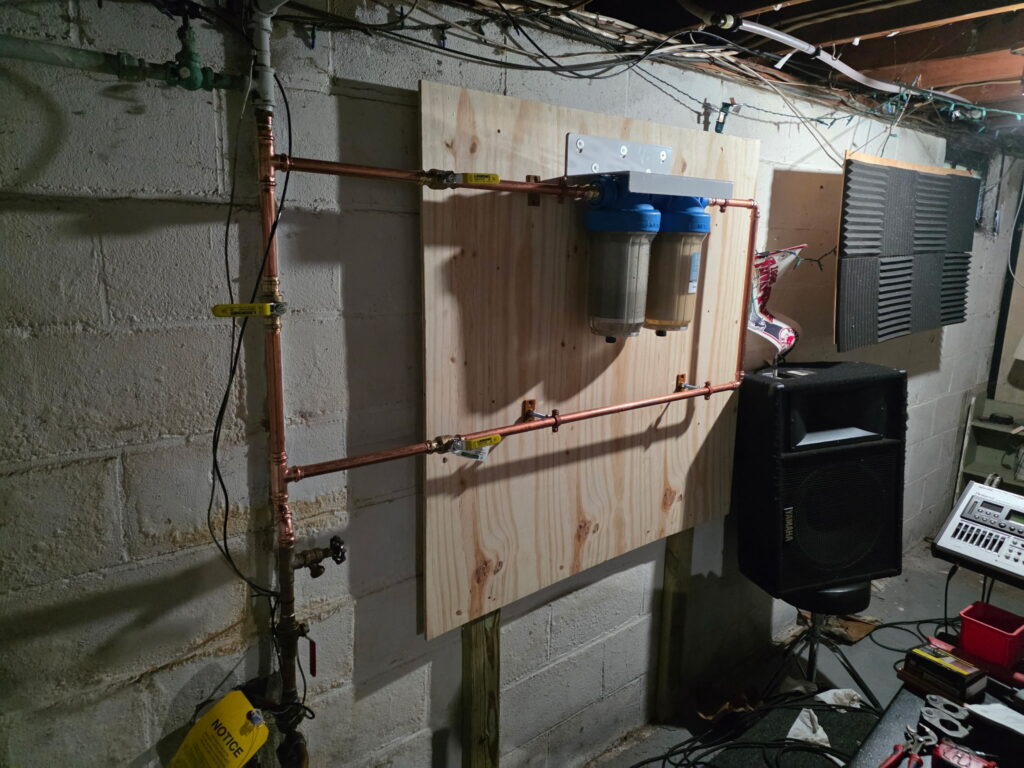
Gas availability is not uniform here. Parts of Andover have natural gas on the street, and other pockets, especially some of the more rural sections toward the Andover-Boxford line, run on oil or propane. That distinction changes the entire conversation about a tankless unit, because most tankless water heaters are gas-fired and need a specific BTU input the existing gas line has to support. Well water also shows up more in Andover than in towns closer to Salem, and if that’s your situation, filtration and periodic descaling aren’t optional extras, they’re part of keeping a tankless unit running the way it’s supposed to.
What the Work Involves
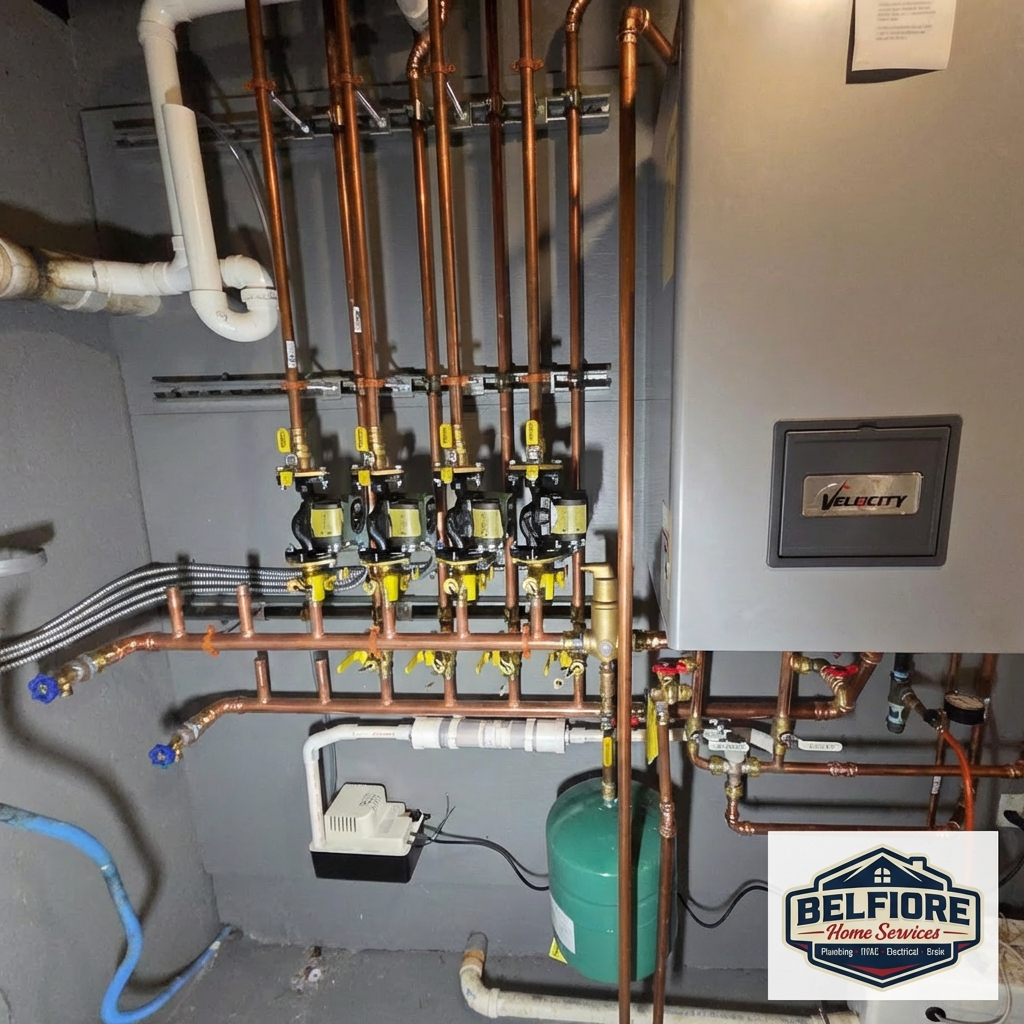
A tankless conversion is not a like-for-like swap and we won’t tell you it is. The old tank gets drained and disconnected, and depending on age and condition, that alone can turn up corrosion on the shutoff valve or supply lines that needs addressing before anything new goes in. The new unit needs dedicated venting, usually PVC or polypropylene run to the exterior, sized and pitched to the manufacturer’s spec, not just whatever’s convenient.
Gas sizing is the part that gets skipped by installers in a hurry. A tankless unit can call for 150,000 to 199,000 BTU/hr, well above what a standard 40-gallon tank needed. That often means upsizing the gas line from the meter or running a new dedicated line, and on some jobs it means a call to the gas utility to confirm meter capacity before we touch anything. We also check whether the water is hard enough locally to warrant a scale inhibitor on the inlet, since that’s a common failure point for these units after a few years without one.
On installation day, expect the house to be without hot water for a stretch while the old tank comes out and the new unit, venting, and gas connection go in. We test the system under real flow conditions before we leave, not just a quick fire-up.
Repair or replace
Not every water heater problem means you need a new system, tankless or otherwise. If your existing tank is under ten years old, the tank itself isn’t leaking, and the issue is a bad thermocouple, a failed heating element, or sediment buildup causing noise and reduced output, that’s a repair, and Chris will tell you so. We’re not going to talk you into a tankless upgrade because it’s the bigger job.
Where replacement starts making sense is when the tank is leaking from the bottom (that’s the tank itself failing, not a fixable part), when you’re constantly running out of hot water with a household that’s grown since the heater was installed, or when the unit is old enough that parts are getting hard to source. Tankless becomes the stronger option specifically when you want endless hot water for a house with multiple bathrooms, when you’re reclaiming basement or closet space, or when a remodel already has the walls open and running new venting and gas line is far less disruptive than it would be otherwise.
What it costs
Cost depends on the unit’s BTU rating, whether your existing gas line and meter can support it or need upgrading, how much new venting has to be run, and what condition the old shutoffs and connections are in. A straightforward swap where gas sizing already works out costs less than a job that needs a line upsized from the street or meter. We’ll walk your specific setup and give you a number in writing before any work starts, not after the walls are open.
How long it takes
A standard tankless installation where the gas line and venting path are already adequate typically runs one day, with the house back to hot water by evening. Jobs that require a gas line upsize, a new vent run through masonry or multiple floors, or coordination with the gas utility for a meter check can stretch to two days. We’ll tell you which situation you’re in during the initial visit, not halfway through the job.
Common Questions
Can every Andover home get a gas tankless water heater?
Not automatically. It depends on whether natural gas reaches your street and whether the existing line and meter can support the higher BTU load a tankless unit needs. If your home runs on oil or propane, we'll go over what a conversion or an alternative setup would actually involve.
Do I need a bigger gas line for a tankless unit?
Often, yes. Tankless heaters commonly need 150,000 to 199,000 BTU/hr, well above what a standard tank water heater used. We check your existing line size and meter capacity before recommending a unit, and upsizing the gas line is common on older homes.
Is a tankless water heater worth it if I'm on well water?
It can be, but well water in Andover often carries more sediment and hardness than town water, and that accelerates scale buildup inside a tankless unit. We usually recommend a filtration or scale inhibitor setup alongside the install if you're on a well.
How do I know if my current water heater just needs a repair?
If the tank isn't leaking and the problem traces to a part like a thermocouple, heating element, or gas valve, it's usually a repair, not a replacement. We check the tank condition first and will say so plainly if replacement isn't necessary yet.
Will I be without hot water during the install?
Reach Out for Tankless Water Heater Installation
Call {PHONE} to set up a visit. We’ll look at your gas service, your venting options, and your actual hot water use before recommending anything, and you’ll get a straight answer on repair versus replace before we talk about equipment.
Contact information
Talk to Chris
Chris runs the plumbing side of Belfiore and handles the sizing and venting decisions on every tankless install personally. If you’re weighing a tankless upgrade in Andover, or you’re not sure whether your current heater is even worth replacing yet, call and describe what’s going on. He’d rather talk you out of an unnecessary job than talk you into one.