
Generator Installation and Connection in Peabody, MA
Generators in Peabody, MA
A lot of Peabody homes were wired when a house ran a furnace blower, a radio, and a handful of lights. Now the same 100 amp service is asked to carry central air, an electric range, and a couple of space heaters in the back bedroom. Add a nor’easter that drops trees on the lines out toward the Lynnfield line, and that undersized service is also the reason your whole house goes dark for two days.
Generator Installation and Connection in Peabody
Belfiore installs and connects standby and manual transfer systems for homes and small multi-families across Peabody. This is not a portable generator you wheel out of the garage and run an extension cord from. This is a permanent electrical connection, done through your panel, done to code, and inspected before it goes live. Chris handles the gas or propane sizing side when a fuel line needs to be run or upsized. Brandon handles everything from the transfer switch to the panel.
Why Peabody Homes Need This
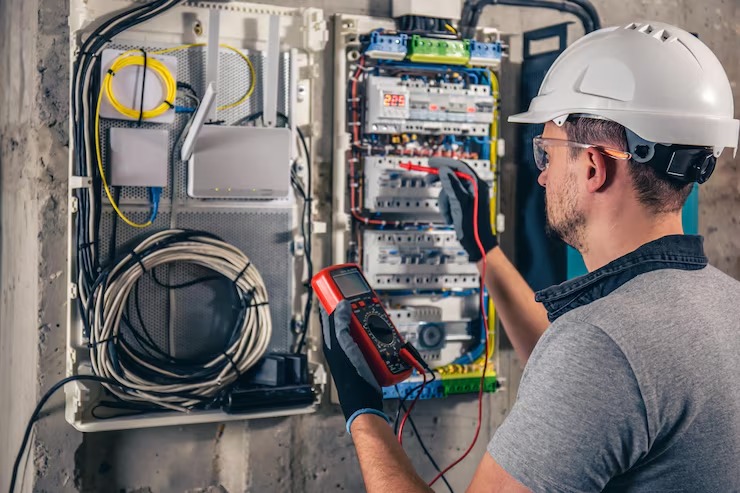
Peabody’s housing stock skews old. A good share of it was built before 1940, plenty converted from one family to two or three over the decades, and a lot of it still runs on services that were adequate in 1975 and are not adequate now. We still find 60 amp and 100 amp services on homes that have since added central air, an EV, and a finished basement with its own subpanel. Some of the older two and three families still have knob and tube feeding parts of the house, and cloth-insulated branch circuits behind the plaster.
We also still open panels here with Federal Pacific Stab-Lok breakers and Zinsco panels, both of which have known failure modes and both of which get flagged the moment we’re inside doing generator work. If your panel is one of these, a generator installation is usually the point where it makes sense to deal with the panel at the same time rather than bolt a new system onto an old problem.
Add to that the storm exposure this close to the coast. Downed lines and prolonged outages after a nor’easter or a summer microburst are routine, not rare, and a house with an older furnace or boiler and well water is a house that loses heat and water at the same time it loses lights.
What the Work Involves
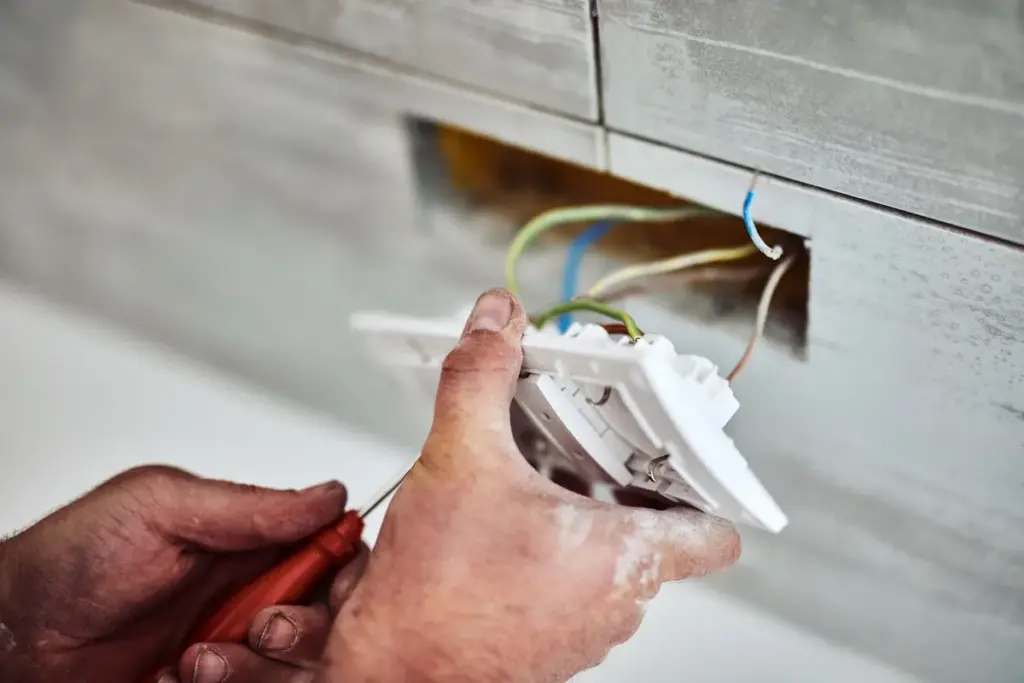
Every job starts with a load calculation, not a guess. Brandon walks the panel, notes the amperage of the existing service, and figures out what actually needs to run during an outage – furnace or boiler circulator, well pump if you have one, refrigerator, a few lighting circuits, maybe the sump pump. That tells us whether a smaller air-cooled standby unit covers it or whether you need a larger unit with load management.
The generator itself sits outside on a concrete or composite pad, set back from windows and doors per the manufacturer’s clearance requirements. An automatic transfer switch gets installed next to your main panel. This is the piece that senses a utility outage, disconnects you from the grid, and starts the generator – all within seconds, without anyone touching a switch.
Here is the part homeowners always ask about: the utility has to be involved. National Grid has to inspect and in some cases re-terminate the meter connection, and that part of the process is outside our control on timing. Your power is out for a short planned window while we make the panel connection – usually under an hour – separate from any utility-side outage.
Gas sizing matters too. A 22kW standby unit needs a specific size gas line, and on an older Peabody two-family that line often has to be upsized from what’s feeding the furnace and water heater today. We check this before we quote, not after we’ve dug the trench.
What It Costs
A generator installation in Peabody typically runs {PRICE_LOW} to {PRICE_HIGH}. What moves the number: the size of the generator (smaller units for essential circuits only versus whole-house units), whether your gas line needs upsizing or you’re running propane with a new tank, how far the unit sits from the panel, and whether the panel itself needs work first because it’s an old Federal Pacific or a 60 amp service that can’t support a transfer switch without an upgrade. We give you a firm number after the site visit, not a phone estimate.
How Long It Takes
The physical installation – pad, generator set, transfer switch, gas or propane connection, wiring – is usually a one to two day job depending on how much gas line work is involved. What takes longer is the utility inspection and any permitting lag on their end, which can add a week or more depending on their schedule, not ours. We’ll tell you upfront which parts are in our control and which aren’t.
Common Questions
Do I need a permit for a standby generator in Peabody?
Yes. This work requires an electrical permit through the City of Peabody and a final inspection before the system can be used. Gas or propane connections may also require a separate permit depending on the fuel source.
Can my 100 amp panel handle a whole-house generator?
Often yes, but it depends on your existing load. Some older 100 amp and nearly all 60 amp services need a panel upgrade first, or a smaller generator with load management, before a transfer switch can be added safely.
How long is my power actually off during installation?
The panel connection itself is usually under an hour. Any longer outage tied to the project comes from the utility's side of the work, which is scheduled separately and outside our control.
What size generator do I actually need?
It depends on what you want running during an outage. A unit sized for a furnace, well pump, refrigerator, and some lighting is very different from a whole-house unit that also carries central air and an electric range. Brandon calculates this from your actual panel, not a generic chart.
Do you also handle the gas line for the generator?
Chris handles gas and propane sizing on the plumbing and heating side. We check the existing line before quoting, since a lot of older Peabody homes need the line upsized to feed a new standby unit alongside an existing furnace or water heater.
Permits and Inspection
This work gets permitted through the City of Peabody and inspected before the system is signed off, full stop. A permanent generator connection touches your main electrical service, which is exactly the kind of work Massachusetts requires a licensed electrician for. Brandon pulls the permit, schedules the inspection, and stands behind the work when the inspector shows up. If someone offers to do this off the books to save the permit fee, that is the moment to walk away – an uninspected transfer switch is a backfeed hazard to utility linemen working on your street.
Contact information
Reach Out for Generator Installation
If last winter’s outage had you running an extension cord to a neighbor’s generator or driving to a hotel for hot water, this is the fix. Call {PHONE} to set up a site visit. Brandon will look at your panel, your gas or propane setup, and your actual load, and give you a straight answer on size and cost before anything gets ordered.
Talk to Brandon
Brandon is the licensed electrician on the Belfiore team and he’s the one who does the load calculation, the transfer switch install, and the inspection walkthrough. If you’ve got an old panel, an odd gas line routing, or you just want someone to look at what you actually need before you buy a generator online, call {PHONE} and ask for him directly.