
EV Charger Installation in Reading, MA
A lot of Reading’s housing stock went up in the postwar boom and the decades right after, on lots big enough that a two-car garage and a driveway charger make sense today. The problem is those homes were wired for a stove, a dryer, and maybe central air, not a Level 2 charger pulling 40 or 50 amps on top of everything else. If you just bought a Model 3 or an Ioniq 5 and you’re looking at a 100-amp panel that’s already carrying a full load, the wiring conversation has to happen before the charger does.
Why Reading Homes Need This
Reading’s mix of ranch and colonial-era homes, plus the newer construction filling in around Birch Meadow and the west side of town, means we see two different problems on EV jobs here. The older homes, built with 60 or 100-amp service and sometimes still carrying original cloth-insulated branch wiring or a panel that’s never been touched, don’t have room for a 240-volt, 40 to 60-amp circuit without a real look at total load. The newer builds usually have more headroom, but the garage or driveway is often on the far end of the house from the panel, which changes the wire run and the cost more than people expect.
This is also the same housing stock now adding heat pumps and finishing basements, which means the panel is getting asked to do more work than it was ever sized for. An EV charger is rarely the only new load going in. Brandon looks at the whole picture, not just the charger, so you’re not back in a year needing a panel upgrade you could have planned for now.
What the Work Involves
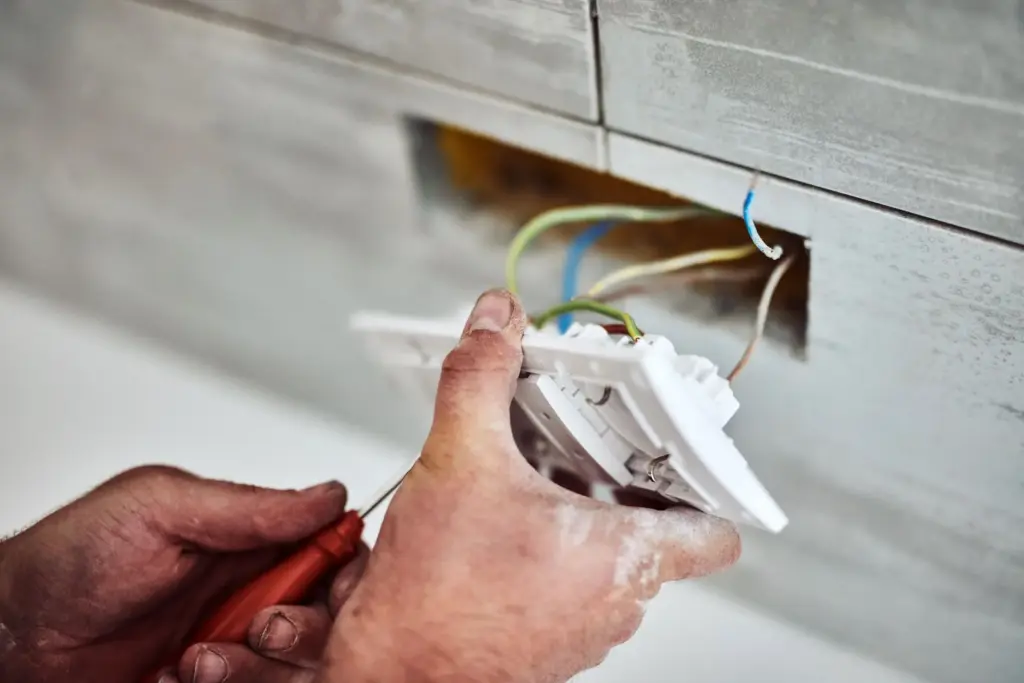
A dedicated circuit for a Level 2 charger starts with load calculation. Brandon adds up what your panel already carries against its rated capacity, because Massachusetts electrical code doesn’t let you just tap in a 50-amp breaker because there’s a slot open. If the math works, the job is a dedicated 240-volt circuit run from the panel to the charger location, sized to the charger’s actual draw, usually 6 or 8 AWG copper depending on distance and amperage, landing on a breaker matched to the manufacturer’s spec.
Power to the house gets shut off for the panel work, typically for an hour or two, not a full day. If the panel itself doesn’t have capacity or physical space for the new breaker, that’s a separate conversation about a panel upgrade before the charger circuit gets installed. National Grid or the municipal utility only gets involved if the service itself needs to be upsized, which is a different project than a straightforward dedicated circuit. Most Reading garages don’t need that step. Once the circuit is run and the charger is mounted, everything gets tested under load before Brandon calls it done.
What It Costs
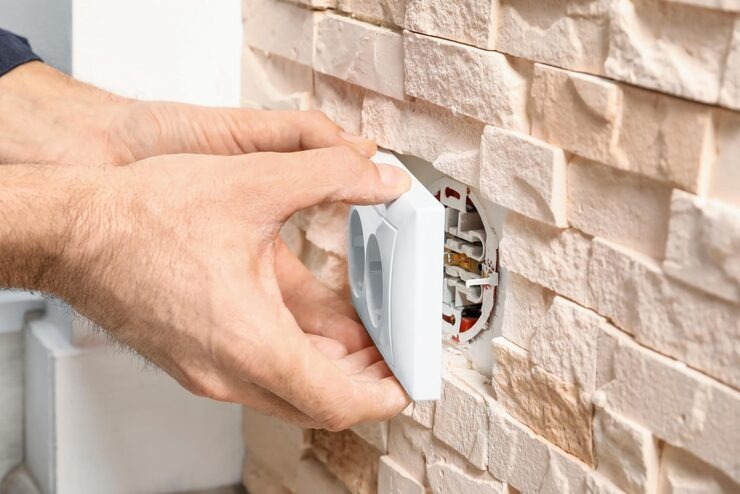
A straightforward dedicated circuit for a Level 2 charger in Reading generally runs {PRICE_LOW} to {PRICE_HIGH}. What moves the number is distance from the panel to the charger, whether the run is through finished walls or an open basement, and whether your existing panel has an open breaker slot with rated capacity to spare. A detached garage or a charger mounted far from the panel adds trenching or conduit, which changes the estimate. If the load calculation shows you need a panel upgrade first, that’s priced as its own project, and Brandon will tell you that up front rather than partway through.
How Long It Takes
Most dedicated EV circuits in Reading are a one-day job from the time Brandon starts pulling wire to the time the charger is tested and working. Longer runs, finished-wall fishing, or a job that turns up a panel with no room can push it to two days. The permit and inspection add time on the front and back end, not to the actual installation day.
Permits and Inspection
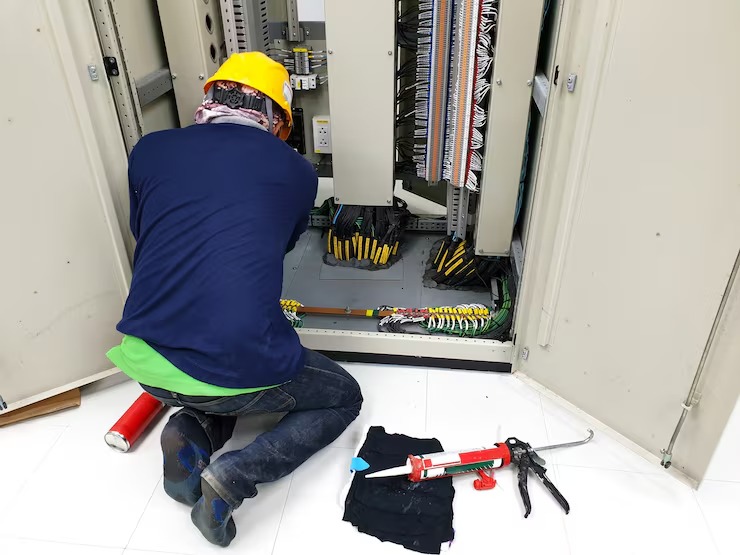
EV charger circuits are electrical work under the Massachusetts Electrical Code, and Reading requires a permit for it like any other panel or circuit work. Brandon pulls the permit, and the Reading electrical inspector signs off on the finished work before it’s considered done. This isn’t paperwork for its own sake. It’s the difference between a licensed electrician’s work and whatever a handyman or an unlicensed installer wires into your panel over a weekend. If you ever sell the house, an unpermitted 50-amp circuit is exactly the kind of thing a home inspector flags.
For homeowners who want to see the code requirements directly, the [EXTERNAL LINK: Massachusetts Board of State Examiners of Electricians, electrical code and permit requirements] lays out what’s required for new circuit installations statewide.
Common Questions
Can I use a regular outlet for my EV charger instead of a dedicated circuit?
A standard 120-volt outlet will charge most EVs, but painfully slowly, often overnight for a partial charge. A dedicated 240-volt circuit sized correctly for your charger is what most homeowners actually want, and it's the only way to get real Level 2 charging speeds.
Do I need a panel upgrade before I can install a Level 2 charger in Reading?
It depends on your panel's rated capacity and what else is already on it. Homes with 100-amp service and a full panel often need an upgrade first. Homes with newer 150 or 200-amp service usually have room. Brandon does the load calculation on site rather than guessing.
Does it matter what brand of charger I buy?
The circuit and breaker have to match the charger's amperage draw, whether it's a Tesla Wall Connector, a ChargePoint, or a Grizzl-E. Brandon can size the circuit for whichever unit you've bought or help you pick one that fits your panel's available capacity.
Is a permit really necessary for an EV charger circuit?
How much does it cost to add a dedicated EV charger circuit in Reading?
Reach Out for EV Charger Installation
If you’re in Reading and looking at an EV purchase or a charger sitting in the garage waiting to be hardwired, call {PHONE}. Brandon can usually get out to look at your panel within the week and give you a straight answer on what the job takes.
Contact information
Talk to Brandon
Brandon is the electrician here. He’ll walk your panel, do the load calculation honestly, and tell you straight whether your existing service can take a new 240-volt circuit or whether an upgrade needs to happen first. No guessing over the phone. He wants to see the panel and the charger location before he quotes anything.