
Outlet and GFCI Installation and Repair in Lynnfield, MA
Most of Lynnfield was built out from the 1950s through the 1980s, on lots big enough that the original electrician never worried about running out of room on the panel. That generation of house came with two-prong outlets, no ground in half the rooms, and a service size that was fine for a refrigerator and a television. It was never sized for a heat pump, a finished basement, and an EV charger in the same house.
Outlet and GFCI Installation and Repair in Lynnfield
We install new outlets, replace worn and cracked ones, and add GFCI protection anywhere it is missing or has failed. That covers kitchens, bathrooms, garages, basements, and anywhere near a sink or outdoors. It also covers the smaller jobs people put off for years: the outlet that only holds a plug halfway, the one behind the couch that stopped working, the bathroom GFCI that trips every time you plug in a hair dryer.
Brandon handles this work the same way he handles a panel upgrade or an EV circuit – test everything before touching it, explain what he finds, and fix the actual problem instead of just swapping a device.
Why Lynnfield homes need this
Lynnfield’s housing stock spans a wide range, and that range matters for outlet work. Some of the older sections near the center still have cloth-insulated wiring and outlets with no ground path at all. Others were rewired at some point and just need GFCI protection added to meet current safety practice. Homes from the ranch and colonial boom of the 1960s and 70s commonly have a 100 amp service, which was standard for that era but leaves little room once you add central air, a hot tub, or a Level 2 EV charger.
The detail specific to this town: Lynnfield’s larger lots mean more outdoor circuits per house – well pumps, pool equipment, detached garages, shed power – and every one of those needs weatherproof, GFCI-protected outlets rated for the exposure. A lot of what we get called for out here is exactly that: an outdoor outlet that was never GFCI-protected to begin with, or one that finally failed after years outside.
We don’t run into Federal Pacific or Zinsco panels in Lynnfield as often as in some of the older North Shore towns, but they exist here too in houses that haven’t been updated since they were built. If your panel is one of those brands, it’s worth a look while we’re doing outlet work anyway.
What the work involves
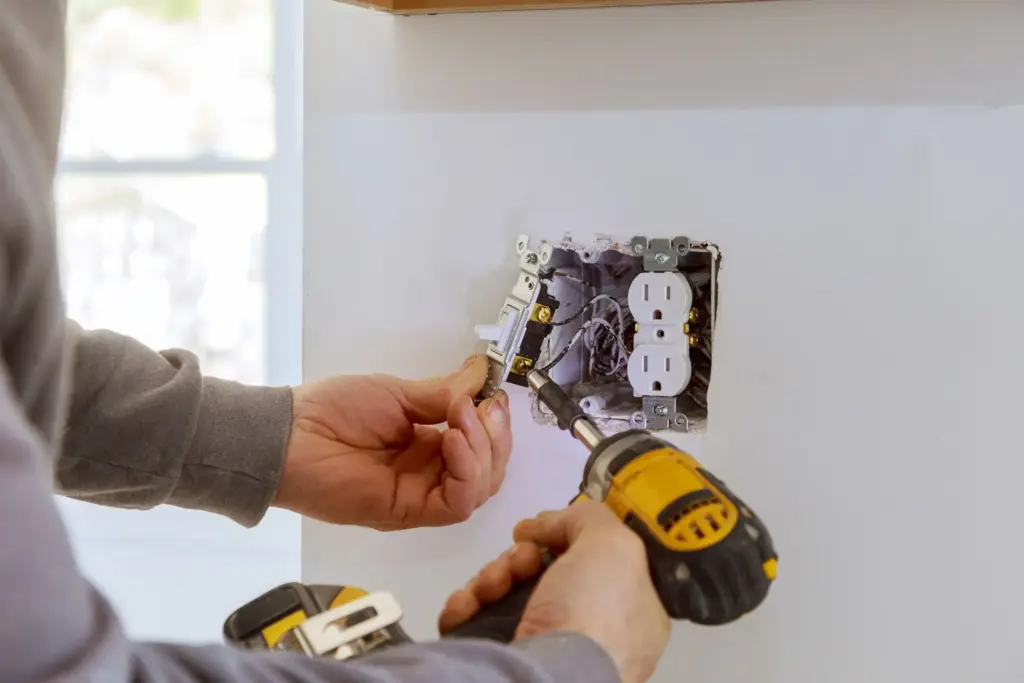
For a straightforward outlet swap or GFCI replacement, we shut off just that circuit at the panel, confirm it’s dead with a meter, and the rest of the house stays powered. That’s usually a 30 to 60 minute job per outlet.
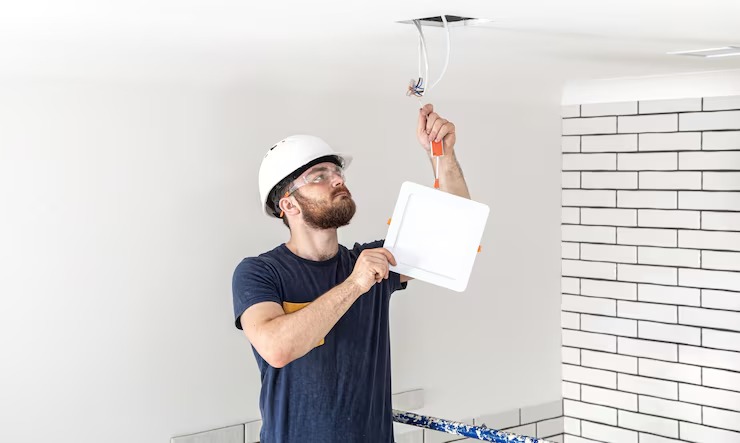
For new outlets – say, adding a dedicated GFCI outlet in a basement bathroom or garage – we have to run new cable back to the panel or to a nearby junction, which means opening a section of wall or working through the basement and attic where possible. If the circuit is already near capacity, that’s when we tell you plainly rather than push a bad fix onto an overloaded line.
National Grid or Eversource, whichever serves your street, isn’t involved for outlet-level work. The utility only gets called in for service upgrades where the meter or main disconnect changes. Everything from the panel to the wall is ours to test, wire, and inspect.
What It Costs
A single outlet or GFCI replacement typically runs between {PRICE_LOW} and {PRICE_HIGH}. New outlet locations that need cable run through finished walls cost more than an open basement or attic run. Outdoor and garage circuits with weatherproof covers add a little for the hardware. If we find the wiring behind the wall is undersized or ungrounded, we’ll tell you before any work starts and give you the real number, not a surprise on the invoice.
How long it takes
One or two outlet swaps are usually done in under an hour, start to finish. A handful of new GFCI installations across a kitchen or bathroom is typically a half-day job. Adding a new dedicated outdoor or garage circuit, with cable run and a permit pulled, generally takes a full day including the inspection scheduling.
Permits and inspection
New circuits and most outlet installations that involve new wiring are permitted work in Massachusetts. We pull the permit, and the local inspector signs off before we close up any wall. A straight one-for-one device swap on an existing circuit usually doesn’t require a permit, but anything involving new cable does. This is the difference between hiring a licensed electrician and hiring someone with a truck and a business card – the work gets checked by a third party, not just by us. [EXTERNAL LINK: Massachusetts Electrical Code (527 CMR 12) reference for residential wiring requirements]
Common Questions
Do all bathrooms and kitchens need GFCI outlets?
Yes. Current code requires GFCI protection in kitchens, bathrooms, garages, basements, and outdoor outlets. If your Lynnfield home was built before this became standard, we can add GFCI protection to existing circuits without rewiring the whole house.
My GFCI outlet won't reset. What does that mean?
It usually means either a real ground fault downstream, a wiring fault in the device itself, or a GFCI outlet that's simply worn out. We test the circuit before replacing anything, since resetting the wrong problem just means it trips again.
Can I replace an outlet myself?
A simple like-for-like swap on a circuit you know is off is manageable for some homeowners. Anything involving old cloth wiring, ungrounded circuits, or a new location should go through a licensed electrician, since that work needs to be permitted and inspected.
Will adding outlets overload my panel?
Not usually for one or two circuits, but if your Lynnfield home still has a 100 amp service and you're adding an EV charger or heat pump on top of new outlets, we'll check panel capacity before we start and tell you if an upgrade makes sense first.
How do I know if my outlets are grounded?
Reach Out for Outlet and GFCI Installation and Repair
If an outlet’s dead, a GFCI keeps tripping, or you’re planning a basement finish or EV charger and want the electrical side looked at first, call {PHONE}. We work across Lynnfield and can usually get someone out within the week.
Contact information
Talk to Brandon
Brandon is the electrician here. He’ll walk through what’s actually going on with your outlets, tell you if it’s a five-minute fix or a bigger wiring problem, and give you a straight answer on what it takes to bring a room up to current GFCI protection. No guessing over the phone about a problem he hasn’t seen.