Generator Installation and Connection in Swampscott, MA
Generator Installation and Connection in Swampscott
A lot of Swampscott houses were wired for a different life than the one being lived in them now. A 100 amp service that was fine for a furnace, a stove, and a few lamps is now running central air, an EV charger, a heat pump water heater, and a home office, all off the same panel that’s been there since the Carter administration. When the power goes out on a nor’easter and the whole house goes dark at once, that’s usually why.
Generator installation and connection is one of the jobs we do most often on this stretch of coast, and it’s rarely a simple drop-in. Between the age of the housing stock, the tight lots near the water, and the salt air chewing through anything left exposed outside, a Swampscott generator install takes more planning than the standard suburban job.
Why Swampscott Homes Need This
Swampscott sits right on the water, and that means two things for a generator job: the power goes out more often than it does inland, and the equipment you install has to survive the air it sits in. Salt corrodes exposed lugs, connectors, and unprotected metal enclosures faster than most manufacturers plan for in their standard warranty language, so placement and hardware selection matter more here than in a town ten miles inland.
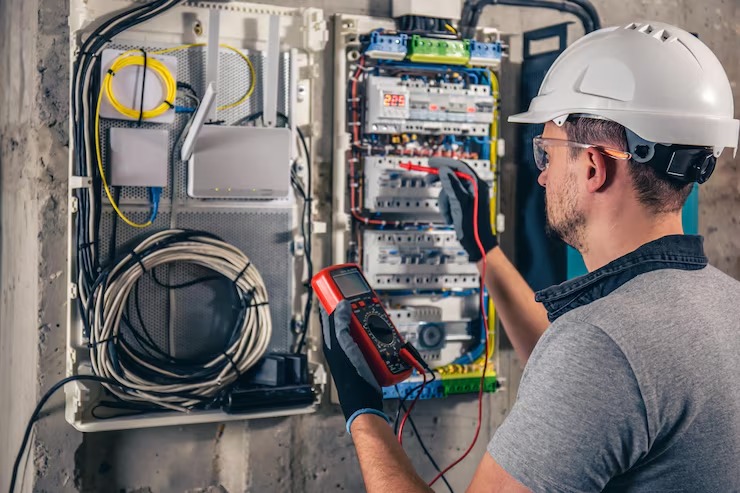
The housing stock adds its own wrinkle. A good number of homes in this town were built well before anyone thought about central air or an EV in the driveway. It’s common to find 60 amp or 100 amp services still in place, some still fed by cloth-insulated wiring or knob and tube in older sections of the house. A handful of properties still carry a Federal Pacific or Zinsco panel, both of which have known breaker failure issues and get flagged the moment we open the cover. None of that is a reason to panic, but it does mean a generator project here often starts with an honest look at the panel and service size before we talk about the generator itself. Adding backup power to a service that’s already undersized just moves the problem around instead of solving it.
Tight lots near the water also limit where a standby unit can physically go. Setback requirements, property line distance from windows and doors, and access for a delivery truck or crane all get worked out before equipment shows up, not after.
What the Work Involves
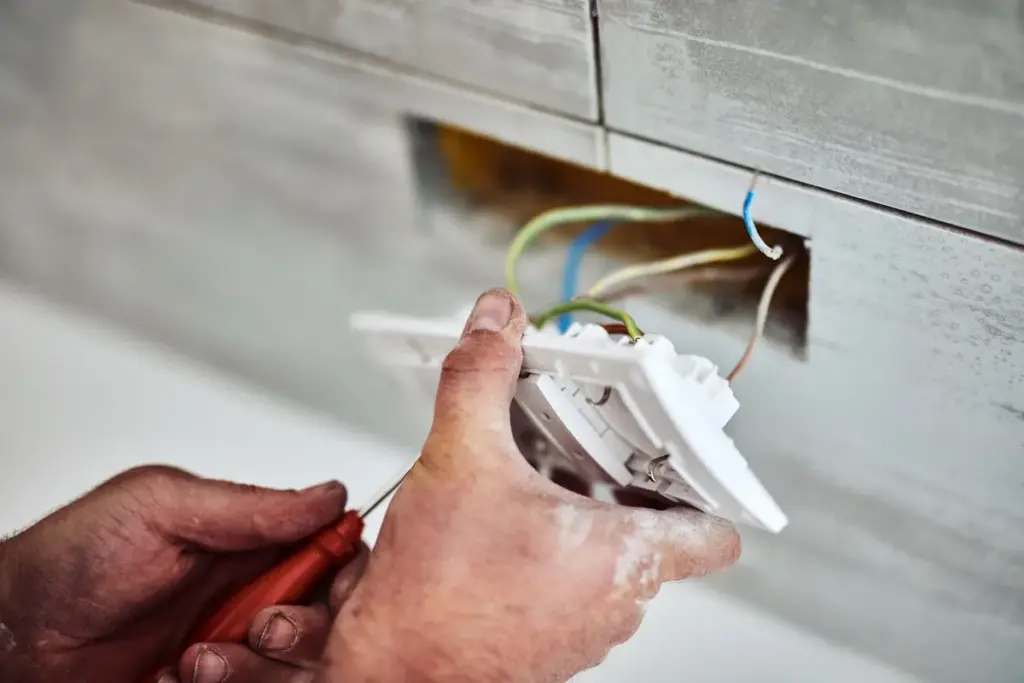
For a portable generator setup, the core piece is an interlock kit or a manual transfer switch installed at your existing panel, with a dedicated inlet box mounted outside so you can plug in during an outage without running a cord through a window. Brandon sizes the interlock or switch to your panel’s amperage and confirms the breakers you want backed up during an outage.
For a standby generator, the scope is bigger. That includes an automatic transfer switch wired between the utility service and your panel, a concrete or composite pad for the unit itself, gas line sizing if you’re running natural gas instead of propane, and coordination with National Grid on the electrical side. The utility owns the meter and the service drop, so any work touching that connection point gets scheduled with them directly. We handle everything from the meter inward and the transfer switch wiring, they handle their side of the line.
Power to the house is off for a defined stretch during the transfer switch tie-in, usually measured in hours, not a full day. We tell you the exact window before we start so you can plan around it, not find out mid-afternoon.
What It Costs
A portable generator setup with an interlock kit and exterior inlet typically runs {PRICE_LOW} to {PRICE_MID}, depending on panel access and how far the inlet needs to run from the panel to the outside wall. A full standby generator installation, including the automatic transfer switch, pad, gas line work, and permit fees, generally lands between {PRICE_MID} and {PRICE_HIGH}.
What moves the number: panel condition and age, whether the existing service needs an upgrade before a generator can be added safely, how far the unit sits from the gas meter or propane tank, and how much conduit or trenching the job needs given a tight coastal lot. We give you a firm number after Brandon looks at the panel and the proposed generator location, not a phone estimate.
How Long It Takes
A portable generator interlock and inlet installation is usually a same-day job, start to finish. A standby generator install is a longer process: the electrical and gas rough-in typically takes one to two days, but the full timeline depends on permit turnaround and the utility’s schedule for any service-side coordination. Between the permit application, inspection scheduling, and utility sign-off, plan on a few weeks from first call to a fully operational system, even though the on-site work itself is a fraction of that.
Permits and Inspection
Generator installation is permitted and inspected work in Massachusetts, whether it’s a portable interlock or a full standby system. That means a licensed electrician pulls a permit, the work gets inspected before it’s energized, and there’s a paper trail showing the job was done to code. This isn’t optional paperwork we tack on. It’s how you know the transfer switch was wired correctly and won’t backfeed the utility line, which is a real safety hazard when done wrong.
Brandon handles the permit filing and schedules the inspection as part of the job. For the gas side of a standby install, sizing follows the fuel gas code so the generator gets adequate flow without starving other appliances on the same line. [EXTERNAL LINK: Massachusetts electrical code reference from Mass.gov, cited because it’s the actual code standard this work is inspected against].
Common Questions
Do I need a permit for a portable generator interlock kit?
Yes. Even a simple interlock and inlet installation is electrical work tied to your panel, and Massachusetts requires it to be permitted and inspected like any other panel modification.
Can my current panel handle a generator without an upgrade?
It depends on the panel's age and condition. Some Swampscott homes still have 60 or 100 amp services, and older Federal Pacific or Zinsco panels often need to be addressed before a transfer switch goes in safely.
What's the difference between an interlock kit and a transfer switch?
An interlock kit is a manual safety device for a portable generator that prevents the main breaker and generator breaker from being on at the same time. A transfer switch, manual or automatic, is a separate piece of equipment that isolates your house circuits from the utility line entirely.
Does Belfiore work with National Grid on standby installs?
Yes. Any work touching the meter or service drop is coordinated with the utility directly, while Brandon handles the panel, transfer switch, and gas line work on the house side.
Will salt air really affect my generator installation?
It affects the hardware more than most homeowners expect. Exposed connectors, lugs, and lower-grade enclosures corrode faster near the water, so equipment and mounting location get chosen with that in mind here.
Reach Out for Generator Installation
We work across Swampscott and the rest of the North Shore, and generator calls pick up every time a storm rolls off the water. If you want to be ready before the next one instead of scrambling during it, call {PHONE} and we’ll set up a time to look at your panel and your property.
Contact information
Talk to Brandon
Brandon is the electrician on the family side of Belfiore Home Services, and generator work is one of the jobs he handles start to finish, from the first look at your panel through the utility coordination and final inspection. If you’ve been through a few outages on this stretch of coast and you’re tired of the guesswork with a portable unit and extension cords, he’ll walk the property with you and tell you straight what your panel can handle and what your options actually are.