
Electrical Panel Replacement in Beverly, MA
A lot of Beverly’s housing stock went up before 1940, back when a house ran lights and a radio on 30 or 60 amps and nothing else. Those original services are still out there, sometimes untouched, sometimes patched over decades by whoever was cheapest at the time. If your panel still has a main breaker rated under 100 amps, or it’s a brand people warn you about online, replacement isn’t an upgrade for convenience. It’s about a panel that may not be doing its job.
Why Beverly Homes Need This
Beverly’s neighborhoods off Cabot Street and up near Beverly Farms have a mix of pre-war single families, old sea captain’s houses cut into two and three family rentals, and postwar capes that got their electrical done on the cheap during a 1960s or 70s renovation. All three situations tend to land on our bench for the same reason: the panel inside doesn’t match the house that’s grown around it.
We still find knob and tube wiring feeding parts of these houses, cloth-insulated cable that’s gone brittle, and 60 amp fused services that were never touched when the house got a dishwasher, central air, or a finished basement. Worse, a fair number of Beverly homes have Federal Pacific Stab-Lok or Zinsco panels installed. Both brands have documented histories of breakers that fail to trip during an overload or short. That’s not a scare line, it’s a known issue in the electrical trade, and it’s common enough in North Shore housing that we see it weekly, not rarely.
None of that means your house is unsafe today. It means the panel was built for a different house than the one standing there now, and replacement is how you close that gap.
What the Work Involves
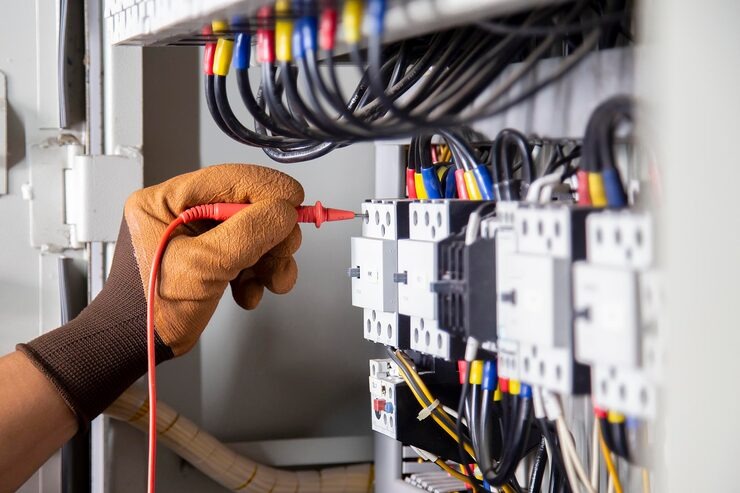
Panel replacement means the power to the house is off for the day, typically a few hours during the actual swap, not the whole day. Brandon coordinates with the utility to pull the meter and kill the feed before anything is touched. The old panel comes out, the new load center goes in, and every circuit gets landed and labeled on the new breakers, not just tossed back in whatever order they came out.
Depending on what’s found once the panel is open, this is also when we deal with double-tapped breakers, undersized neutral connections, or grounding that was never brought up to code, things that don’t show up until someone with a license is actually inside the box. If your home still has some knob and tube or cloth wiring feeding a few circuits, we’ll talk through what needs to come off the new panel entirely versus what can stay for now.
Once the new panel is set, the utility resets the meter and power comes back on circuit by circuit while Brandon confirms everything’s landed correctly.
What It Costs
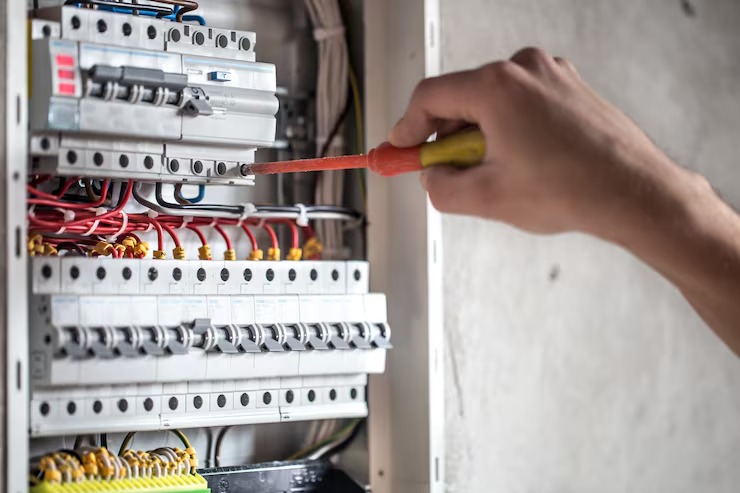
A straightforward panel replacement in Beverly, same amperage, no service upgrade needed, generally runs {PRICE_LOW} to {PRICE_HIGH}. What moves that number: whether you’re also increasing amperage while the panel is open, how many circuits need to be relocated to a larger box, whether knob and tube or old cloth wiring needs to be addressed at the same time, and whether the meter socket or mast also needs attention. We give you the number after Brandon’s actually looked at your panel and your service, not off a phone call.
How Long It Takes
Most panel replacements in Beverly are a single day of on-site work, start to finish. The permit and utility coordination happen ahead of time, so the day you lose power is the day the actual swap happens, not a day spent waiting on paperwork. Older homes with knob and tube to address, or panels buried behind finished walls with poor access, can add time. Brandon will tell you upfront if your job looks like a one-day job or a two-day one.
Permits and Inspection
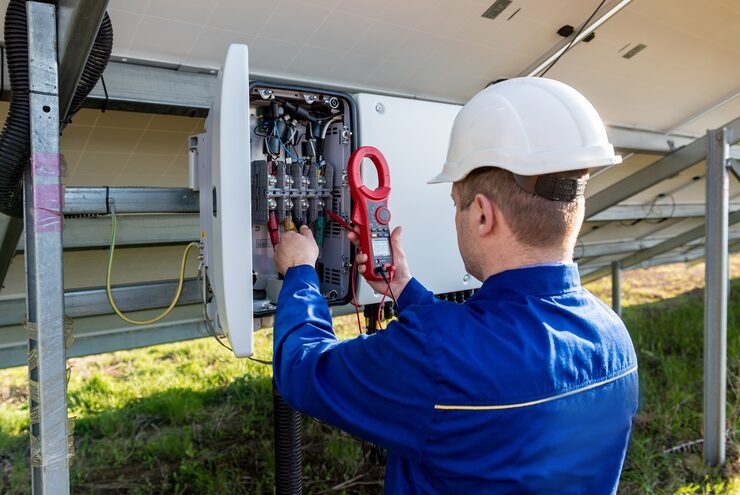
Panel replacement requires a permit in every Massachusetts municipality, Beverly included, and the finished work gets inspected by the local electrical inspector before it’s signed off. This isn’t optional paperwork. It’s what separates a licensed electrician’s work from someone doing it off the books, and it’s what protects you if you ever sell the house or file an insurance claim. Brandon pulls the permit, schedules the inspection, and handles both as part of the job.
For homeowners who want to see the standard the work is held to, the [EXTERNAL LINK: Massachusetts Board of State Examiners of Electricians, current Massachusetts Electrical Code adoption] page lays out the code edition currently in force statewide.
Common Questions
How do I know if my panel needs replacement instead of just an upgrade?
If your panel is a functioning size for your home's needs but you're adding an EV charger, a heat pump, or an addition, that's usually an upgrade for capacity. If the panel itself is failing, obsolete, or a flagged brand like Federal Pacific Stab-Lok or Zinsco, that's a condition problem and replacement is the fix regardless of amperage.
Are Federal Pacific and Zinsco panels really a problem?
Both brands have well-documented histories of breakers that don't trip reliably during overloads or faults. They were installed widely across New England from the 1950s through the 1970s, and Beverly's older housing stock has plenty of them still in service.
Will I lose power during the replacement?
Yes, for the hours it takes to physically swap the panel, usually a portion of one day rather than the whole day. The utility pulls the meter before work starts and resets it once the new panel passes inspection.
Do I need a permit for a panel replacement in Beverly?
Can knob and tube wiring stay connected to a new panel?
Reach Out for Electrical Panel Replacement
If your Beverly home still has its original service, or a panel brand you’ve read warnings about, don’t wait for a breaker to prove the problem the hard way. Call {PHONE} and we’ll get Brandon out to look at what you’ve actually got and what it’ll take to replace it right.
Contact information
Talk to Brandon
Brandon is the electrician here, licensed, and he’s the one who’ll be in your panel, not a subcontractor and not a dispatcher reading off a script. If you’re not sure whether what you have is a capacity problem or a condition problem, describe what’s in the box, the brand if you can read it, and what’s been added to the house since it was wired, and he can usually tell you which direction you’re headed before he ever sees it in person.