
Kitchen Plumbing Remodeling in Peabody, MA
A lot of Peabody kitchens are still running on plumbing that was installed before dishwashers, garbage disposals, or a second sink were part of the plan. If your house is on well water, you’ve probably already noticed the effect on fixtures and appliances. If it’s on town water, the galvanized supply lines feeding an older kitchen can be just as much of a problem, even if you can’t see them.
Kitchen Plumbing Remodeling in Peabody
Kitchen remodels are where plumbing decisions get made fast, usually while a contractor or cabinet installer is standing there waiting on an answer. Chris handles the plumbing side of these jobs directly, so you’re talking to the person doing the work, not a scheduler relaying questions back and forth. Moving a sink, adding a second one, running a gas line to a new range, or swapping in a bigger water heater to keep up with a new dishwasher and disposal running at once are all part of a normal kitchen job in this town.
Peabody kitchens tend to fall into two camps: older homes where the original plumbing has never been touched, and homes that went through a partial remodel years ago where the pipe work behind the walls doesn’t match what’s visible on the counter. Both situations change what a remodel actually involves.
What Peabody Homes Typically Have
Peabody has a good mix of pre-1950 single and two-family homes alongside newer construction toward the outer neighborhoods. In the older stock, kitchen plumbing was often installed with galvanized steel supply lines and minimal venting, built for a single sink and nothing else. Those lines corrode from the inside, which shows up as low pressure and rust-colored water long before anyone thinks to call a plumber.
Gas availability varies street to street here. Some parts of Peabody have natural gas at the curb, which makes a gas range or a tankless water heater a straightforward hookup. Other pockets still run on oil heat with no gas main nearby, which means propane or an electric appliance is the realistic option instead. This gets sorted out before we talk about fixtures, not after.
Homes on private wells are less common in Peabody than in some neighboring towns, but they exist, mostly on the outskirts. If that’s your situation, filtration and a properly sized pressure tank aren’t optional upgrades, they’re part of making the kitchen work the way it’s supposed to.
What the Work Involves
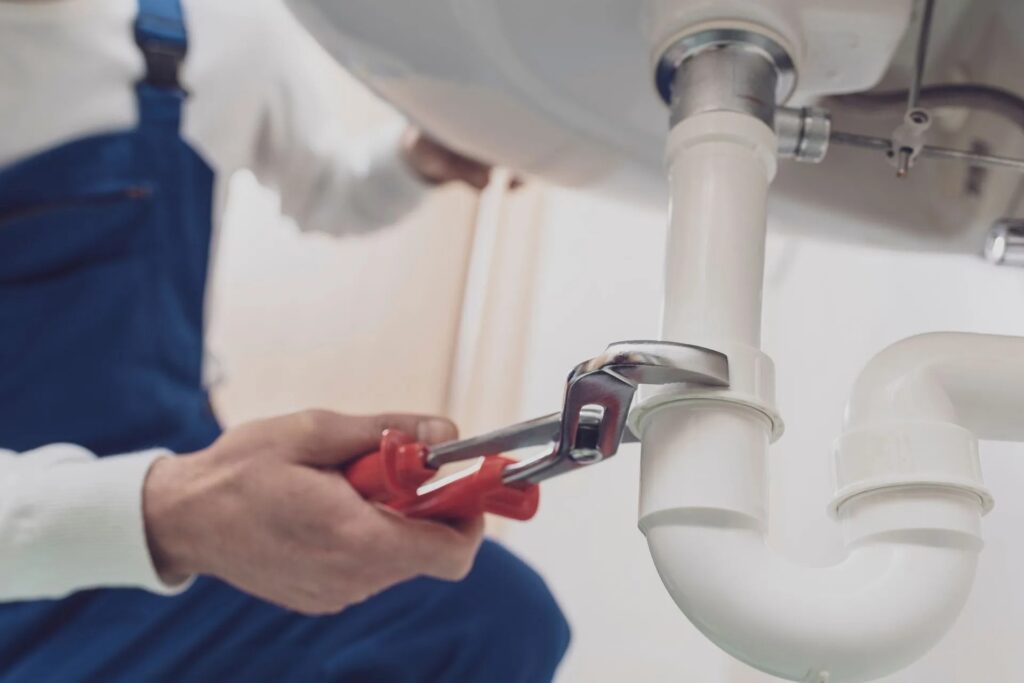
Every kitchen remodel starts with shutting the water off at the main and draining the lines feeding the sink, dishwasher, and any ice maker or filtration unit. From there, the scope depends on what’s being changed:
- Relocating a sink means running new supply and drain lines, sometimes through a wall or floor cavity that wasn’t built for plumbing access.
- Adding a gas range or a gas-fed appliance means sizing the gas line correctly for BTU load, not just tapping into whatever pipe happens to be closest.
- Installing a garbage disposal or a second sink often means upgrading the drain venting so it meets code and actually drains without gurgling.
- Swapping in a larger water heater or a tankless unit to handle a busier kitchen means checking venting, gas or electric supply, and physical clearance before ordering equipment.
Most kitchen plumbing work doesn’t require shutting off water to the whole house for more than a few hours. Larger jobs involving repiping or a water heater swap can mean a half day without hot water, which we tell you upfront so you can plan around it.
Repair or Replace
Not every kitchen plumbing problem needs a full remodel. If your supply lines are copper and in decent shape, replacing a shutoff valve or a section of pipe near the sink is often all that’s needed to fix low pressure or a leak. If you’re only adding a garbage disposal, that’s usually a straightforward tie-in to existing drain lines, not a reason to open up the wall.
Where replacement makes sense is galvanized supply lines, which don’t get better with age, and older gas connections that don’t meet current sizing standards for a new appliance. Chris will tell you flat out when a repair will hold, because a kitchen job that’s bigger than it needs to be doesn’t do you any favors and it doesn’t build a relationship either.
What It Costs
Kitchen plumbing costs in Peabody depend on how much of the existing piping is being reused versus replaced, and whether gas work is part of the job. A sink relocation with new supply and drain lines costs more than a straight fixture swap. Adding a gas line for a range involves permitting and inspection, which adds to the timeline and the price. We’ll give you a number for {SERVICE_COST_RANGE} after seeing the actual layout, not a phone estimate based on square footage.
How Long It Takes
A fixture swap or disposal install is usually a single visit. A sink relocation or new gas line for a range typically runs {PROJECT_DURATION}, including time for inspection if the job requires a permit. A full kitchen replumb tied to a larger renovation gets scheduled around the rest of the project, since plumbing usually needs to happen before cabinets and countertops go in.
Common Questions
Can you add a gas line for a new range in an older Peabody home?
In most cases, yes, if gas service is already at the house. If your street runs on oil with no gas main nearby, we'll walk you through propane or electric alternatives instead. Either way, the gas line has to be sized for the appliance's BTU rating, which we calculate before running any pipe.
Do I need a permit for kitchen plumbing changes?
Relocating fixtures, adding a gas line, or changing venting typically requires a permit and inspection in Peabody. Simple fixture swaps usually don't. We'll tell you which category your job falls into before starting.
My kitchen sink has low water pressure. Does that mean I need a full repipe?
Not necessarily. Low pressure at one fixture is often a clogged aerator or a failing shutoff valve, both simple fixes. Low pressure throughout an older home with galvanized supply lines is a different story, and that's where replacement usually makes more sense.
Can you install a water filtration system as part of a kitchen remodel?
Yes. This comes up most often for homes on well water, where filtration is a real need rather than an extra. We size the system to your water conditions and the kitchen's layout, not a generic package.
How long will my kitchen be without water during a remodel?
Reach Out for Kitchen Plumbing Remodeling
Belfiore is a Salem-based company working across Peabody and the rest of the North Shore. Whether you’re planning a full kitchen renovation or just need a gas line run for a new range, call {PHONE} to talk through the details with Chris directly.
Contact information
Talk to Chris
Chris runs the plumbing side of Belfiore and handles kitchen remodel work directly, from a simple fixture change to a full repipe tied into a larger renovation. If you’re mid-project with a contractor waiting on a plumbing answer, or you’re still deciding what’s realistic for your kitchen, call {PHONE} and describe what you’re working with. He’ll tell you what the job actually involves before anyone touches a pipe.