
Water Heater Installation and Replacement in Nahant, MA
A lot of Nahant houses were built long before anyone thought about 50-gallon tanks or standing pilot lights. That means undersized water heaters trying to keep up with modern showers and dishwashers, and in a good number of homes, well water pushing sediment into a tank that was never sized to handle it. If your hot water runs out fast or your tank is rust-colored at the base, that is not something to wait on.
Water Heater Installation and Replacement in Nahant
Nahant is a tight peninsula with narrow streets, small lots, and a lot of older construction packed close together. That combination makes equipment access genuinely harder here than in most of the towns we cover. Getting a new tank down a basement bulkhead or through a converted crawlspace on a coastal lot takes planning, not just a truck and a dolly. Chris’s crew treats that as part of the job, not an excuse to charge more or take longer than necessary.
Salt air is the other factor nobody thinks about until it costs them. Anything with exposed metal fittings near an exterior wall or vent takes a beating out here faster than it would inland. We account for that when we pick materials and venting for a Nahant install.
What Nahant Homes Typically Have
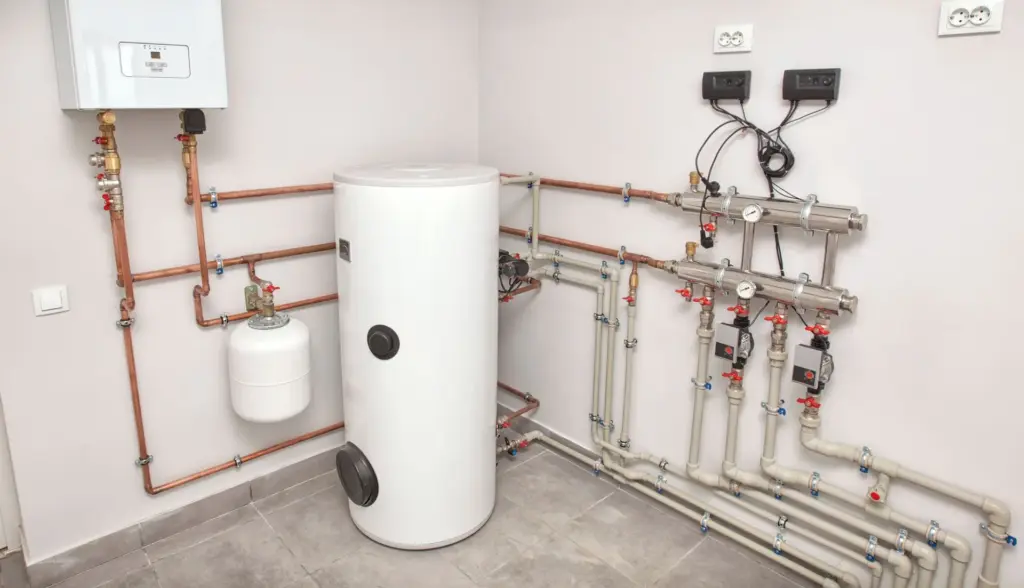
Most of the housing stock on the peninsula dates from the early 1900s through the mid-century, with a scattering of older cottages near the water. That means you will find older steam and hot water boilers still running in a lot of basements, alongside standard atmospheric-vent gas water heaters that were installed whenever the last one failed, not necessarily sized correctly for the house.
Gas availability is not uniform. Some streets in Nahant have natural gas mains, others do not, and a fair number of homes still run on oil or propane for heat and hot water. That changes your options. If gas is not on your street, a tankless gas unit is off the table unless you want to run propane, and your practical choice is usually a higher-efficiency electric or oil-fired tank. Town water reaches most of Nahant, but where there is a private well, we generally recommend a filtration or softening step ahead of the water heater to protect the tank and extend its life.
What the Work Involves
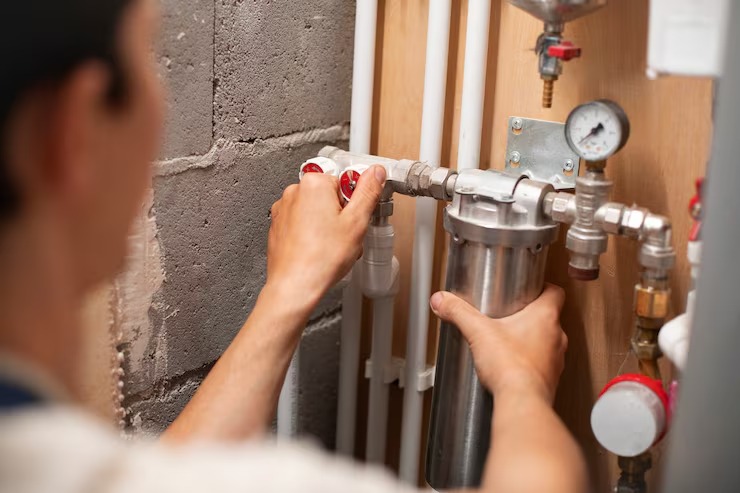
A straightforward tank swap starts with draining the old unit, disconnecting the gas or electric supply, and confirming the venting is still code-compliant for the new unit’s BTU rating. On atmospheric-vent gas heaters we check the flue draft and connector pitch every time, because an old chimney liner sized for a bigger appliance can cause backdrafting with a smaller, more efficient replacement.
Gas line sizing matters here too. If the new unit calls for a different BTU input than the old one, we verify the gas line diameter and length can deliver it, and resize if it cannot. On electric units we confirm the circuit is a dedicated 30-amp, 240-volt line with the correct wire gauge, since older Nahant panels sometimes have that circuit run undersized from a past renovation.
Most straightforward replacements leave a house without hot water for a few hours, not a full day. Anything involving venting changes, gas line upsizing, or a switch from tank to tankless takes longer, and we will tell you that up front before work starts.
Repair or Replace
Not every failing water heater needs to come out. If your tank is under eight years old and the problem is a bad thermocouple, a failed heating element, or a leaking valve, that is usually a repair, and a cheaper one than a full replacement. We will tell you that plainly.
Replacement makes sense when the tank itself is leaking from the bottom seam, when it is past the ten to twelve year mark typical for this area’s water conditions, or when it is undersized for the household it serves. Sediment buildup from well water can also shorten a tank’s working life well below its rated years, which is one more reason filtration matters if you are on a well. Chris’s plumbers will look at the actual unit in front of them before recommending anything, not default to the more expensive answer.
What It Costs
Cost depends on fuel type, tank size, and how much venting or gas line work the job needs. A like-for-like tank swap with no code issues is the simplest and least expensive version of this job. Switching fuel types, going tankless, or correcting old venting or wiring adds labor and material. We give you a number for your specific house before we start, not a phone estimate based on guesswork. {PRICE}
How Long It Takes
A standard tank-to-tank replacement typically runs a few hours, done in a single visit. Jobs that involve running a new gas line, correcting undersized wiring, or converting to tankless take longer, sometimes a full day, because of the added drain, venting, and inspection work. Access issues common in Nahant’s older basements and tight lots can add time too. We walk you through the realistic timeline for your house before we schedule the work.
Common Questions
Is natural gas available everywhere in Nahant?
No. Gas mains reach some streets but not others on the peninsula. If your street does not have gas, your practical replacement options are usually electric or oil-fired units unless you want to install propane service.
How do I know if my water heater needs replacing or just repairing?
Age and the type of failure matter most. A tank under eight years old with a bad part is usually worth repairing. A tank over ten years old that is leaking from the bottom or rusted through is not worth repairing.
Do I need a water softener or filter with a new water heater on well water?
If you are on a private well, filtration ahead of the water heater protects the tank from sediment buildup and generally extends its working life. We can assess your water and recommend the right setup.
How long will my house be without hot water during installation?
A standard tank swap usually takes a few hours. Jobs requiring new gas line sizing, venting corrections, or a tankless conversion take longer, sometimes a full day.
Can you install a tankless water heater in an older Nahant home?
Reach Out for Water Heater Installation and Replacement
Call {PHONE} to talk through your options for water heater installation or replacement in Nahant. We will ask about your fuel source, your tank’s age, and your household’s hot water use, then give you a straight recommendation, not a sales pitch.
Contact information
Talk to Chris
Chris runs the plumbing side of Belfiore and has seen enough Nahant basements to know the peninsula’s quirks: the access problems, the salt exposure, the mix of gas and oil streets. If you want a straight answer on whether your water heater needs fixing or replacing, that is the conversation to have before any work is scheduled.