
Water Heater Installation and Replacement in Hamilton, MA
A lot of Hamilton homes are sitting on a water heater that was sized for a smaller family or an older set of fixtures, and it shows up as lukewarm showers when two people run water at once. Add in the number of properties out here on well water, and you’ve got tanks working harder than they should against sediment and mineral buildup that town water customers never deal with.
Water Heater Installation and Replacement in Hamilton
Chris and the plumbing crew install and replace both tank and tankless water heaters across Hamilton, from Bay Road out toward the Asbury Grove side of town. Big lots and long driveways out here often mean a longer run from the street or well to the mechanical room, which changes how we size and vent the unit. We look at your actual usage, not just what’s already installed, before we recommend a replacement.
What Hamilton Homes Typically Have
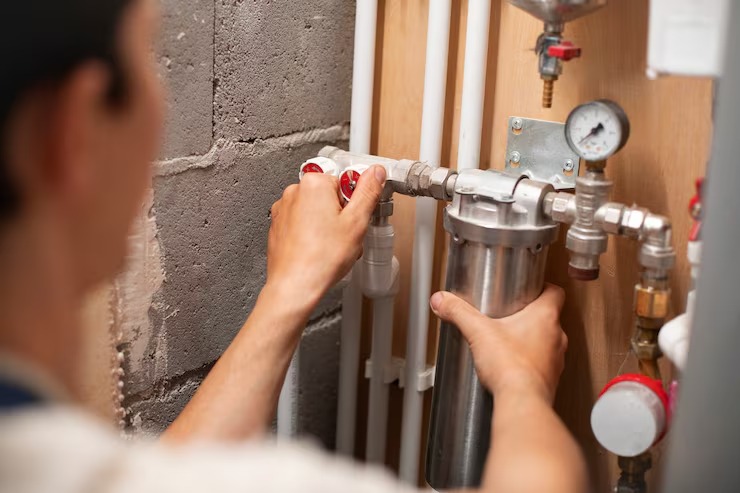
Hamilton has a mix of older farmhouses, converted barns, and larger newer builds on wooded lots, and the mechanical setups reflect that spread. A good number of homes are on private wells, which means your water heater is working alongside a well pump and pressure tank, and any sediment or iron in the water settles right into the tank over time. That’s a real reason to run a whole-house filter ahead of the heater, not a sales pitch.
Gas availability is inconsistent here. Some streets have natural gas at the road, others are propane or oil only. That decides a lot: a home without natural gas is either running an oil-fired system, using propane for a tankless or standard tank, or on electric resistance or heat pump water heaters. We check what’s actually feeding your house before quoting anything, because the fuel source changes the whole job.
Repair or Replace
Not every water heater in Hamilton needs to come out. If your tank is under eight years old, the anode rod hasn’t been checked, and the problem is a bad thermocouple, a failed heating element, or a thermostat that’s drifted, that’s a repair, and Chris will tell you that on the spot. Replacing a heater that has another few good years in it just because it’s making noise is how homeowners get talked into work they don’t need.
What does call for replacement: a tank leaking from the bottom seam or drain valve threads, a unit past 10-12 years old on well water with visible corrosion, or a heater that’s chronically undersized for the house and can’t keep up no matter how the thermostat is set. If you’re on a well and have never had the tank flushed, sediment buildup can shorten a heater’s life by years, and that’s worth knowing before you decide anything.
What the Work Involves
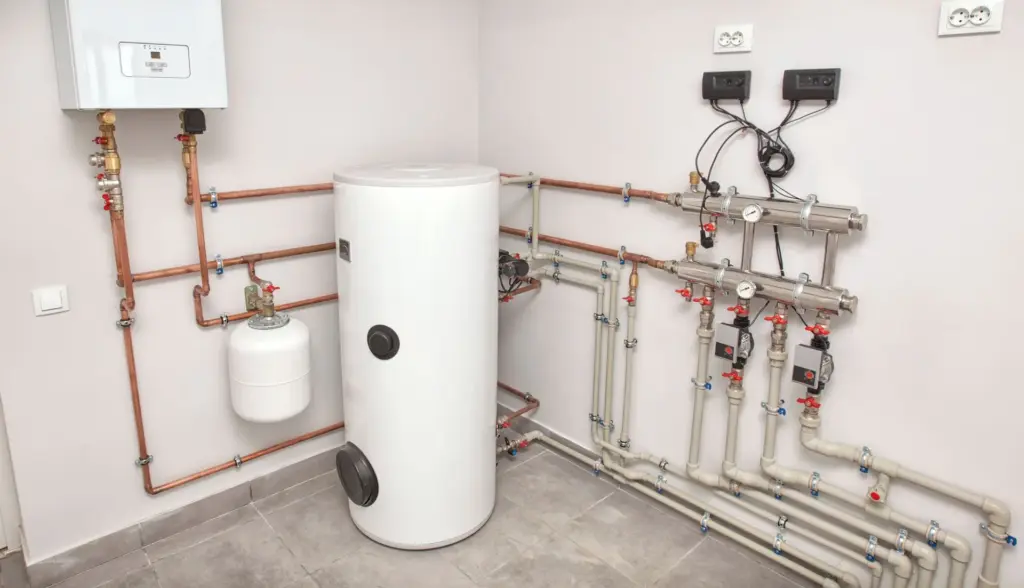
A standard tank swap starts with draining the old unit, disconnecting the water lines, and checking the shutoff valve, because a lot of older Hamilton homes still have gate valves that don’t fully close and need replacing as part of the job. From there we set the new tank, sweat or connect the water lines, and reconnect the gas line or electrical circuit depending on fuel type.
Venting matters more than most homeowners expect. Gas units need proper draft through a chimney liner or direct vent, and if the existing vent is shared with an old boiler, we check that it’s sized correctly for both appliances together, not just the water heater alone. For gas units we also confirm the line is sized right, usually 1/2 inch to 3/4 inch depending on BTU load and run length, since undersizing a gas line starves the burner and causes ignition problems down the road.
Electric tanks need a dedicated 30-amp, 240-volt circuit on a double-pole breaker, and older Hamilton homes with a 100-amp panel sometimes don’t have room for that without some rework. Tankless units add their own wrinkle: gas-fired tankless heaters need a larger gas line in most cases and a dedicated vent, and they can take longer to install as a first-time conversion from a tank.
Most standard tank-to-tank swaps leave the house without hot water for four to six hours. A tankless conversion or anything involving new gas line, venting, or electrical work runs longer, typically a full day.
What It Costs
Cost depends on the unit, the fuel type, and what the existing setup requires to bring it up to code. A straight tank replacement with no changes to venting or gas line is the simplest job. Adding a filtration system for well water, upsizing a gas line, or converting to tankless all add cost because they’re separate scopes of work, not just a bigger box. Chris will walk the mechanical room with you and give you a real number before anything is scheduled, not a range that changes once the walls are open.
How Long It Takes
A like-for-like tank replacement is usually a same-day job. Tankless conversions, well water filtration add-ons, or anything requiring new gas line or electrical circuits typically need a full day and sometimes a return visit if permitting or inspection is required, which is standard for gas and electrical work in Hamilton.
Common Questions
Do I need a permit to replace a water heater in Hamilton?
Yes. Any water heater replacement involving gas, electrical, or venting changes requires a permit and inspection under Massachusetts plumbing code. We handle the permitting as part of the job.
Can I switch from a tank to a tankless water heater?
In most cases, yes, but it depends on your gas line size and venting. Tankless units need a higher BTU input than most tanks, which often means upsizing the gas line and adding a dedicated vent. We check both before recommending the switch.
Should I add a filtration system if I'm on well water?
If you're on a private well and haven't had your water tested, it's worth doing before or during a water heater install. Iron and sediment shorten tank life significantly, and a filter ahead of the heater protects whatever unit you install.
What size water heater do I need for my house?
It depends on household size, number of bathrooms, and whether you have high-demand fixtures like a soaking tub or multiple showers running at once. Chris sizes it based on your actual usage, not a generic chart.
My water heater is only a few years old but it's not keeping up. Do I need a new one?
Reach Out for Water Heater Installation and Replacement
Belfiore Home Services is a Salem-based company working across Hamilton and the rest of the North Shore. Whether you need a straightforward tank swap or a full reconfiguration for a well water system, call {PHONE} to get a plumber out to look at it and give you a straight answer.
Contact information
Talk to Chris
Chris runs the plumbing side of Belfiore and has seen the particular problems Hamilton’s well water and mixed fuel sources create for water heaters. If your tank is acting up or you’re just tired of running out of hot water, call {PHONE} and describe what’s going on. He’ll tell you honestly whether it’s a fix or a full replacement before you spend a dime.