
Electrical Service Upgrades in Newburyport, MA
Walk through the South End or up around High Street and you’re looking at homes built when a house needed enough power for a few lamps and an icebox, not a heat pump, an EV charger and a kitchen full of countertop appliances. A lot of Newburyport’s downtown housing stock is still running on the 60 or 100 amp service it got decades ago, sometimes with an upgrade patched in along the way and sometimes not. When you add central air, a hot tub, or a car charger to a service that size, something has to give.
Why Newburyport Homes Need This
Newburyport’s housing is older than most of the North Shore, and it shows in the panel. We still find knob and tube wiring in walls that were never touched during a renovation, cloth-insulated cable from the 1950s, and 60 amp fused services that predate central heat entirely. In some of the denser downtown streets we’ve also pulled Federal Pacific Stab-Lok panels, which have a documented history of breakers that don’t trip when they should. None of that is unusual for a town built out this early, but it does mean a service upgrade here is rarely a simple swap. Brandon has to plan around what the house was originally built to carry, not just what the code sheet says today.
Add in the fact that a good share of Newburyport’s housing sits in a historic district, and you get another layer: what the mast and meter mounting can look like from the street sometimes matters as much as the wire gauge behind the wall.
What the Work Involves
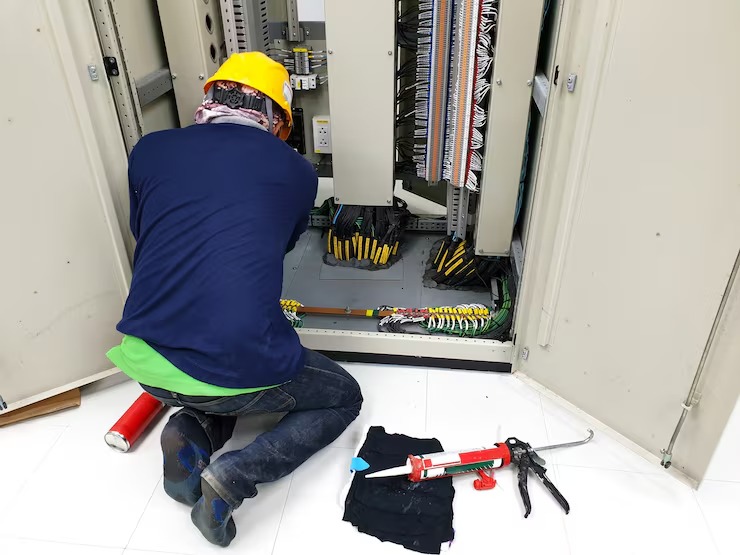
A service upgrade from 100 to 200 amps touches three things: the utility’s drop or lateral, the meter, and your main panel. The utility owns the wire coming to the house and the meter itself. Brandon’s job is everything from the meter socket inward, plus coordinating the disconnect and reconnect with the utility so the timing lines up.
On the day of the work, power to the house is off for most of it, typically a matter of hours rather than all day. Brandon replaces the service entrance cable, upgrades the meter socket if it’s undersized, installs a new 200 amp main panel with breaker slots that match what the house actually needs, and grounds the system to current code. If the mast or weatherhead is old or improperly supported, that gets replaced too since it’s part of what the utility inspects before they’ll reconnect. Old aluminum branch wiring, if it’s present, gets flagged separately since that’s a different job from the service itself.
What It Costs
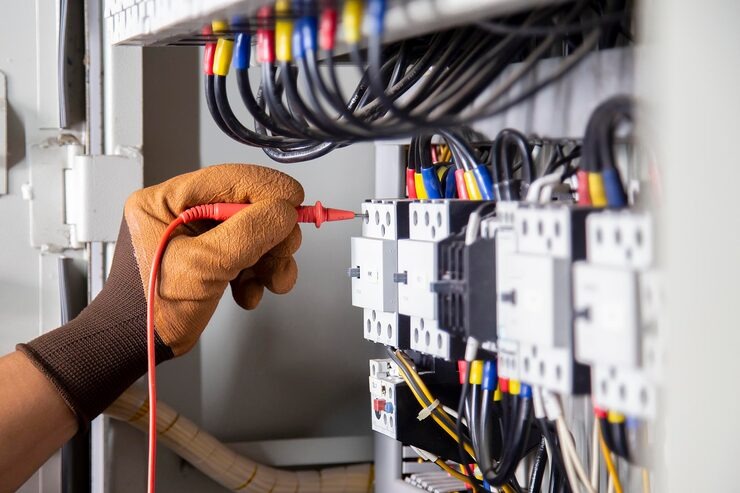
A straightforward 100 to 200 amp upgrade on a house with reasonable access typically runs {PRICE_LOW} to {PRICE_HIGH}. What moves the number: whether the meter has to be relocated, how far the panel is from the exterior wall, whether the mast needs replacing, and whether we’re also pulling out a Federal Pacific or Zinsco panel as part of the same job. Downtown Newburyport homes with tight side yards or historic-district mounting requirements sometimes add labor time that a house with an open driveway wouldn’t need. Brandon quotes it after he’s seen the panel and the service entrance, not off a phone call.
How Long It Takes
Most upgrades are a one-day job for the physical work. The utility disconnect and reconnect is scheduled around Brandon’s install, and depending on the utility’s queue that can add a day or two before or after. The permit and inspection add time on the front and back end of the project, not on the day itself, so plan on the whole process taking one to two weeks from signed quote to final sign-off, with the power interruption itself limited to that single work day.
Permits and Inspection
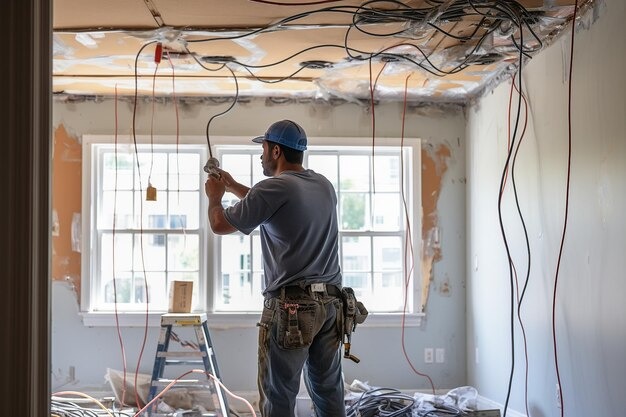
Service upgrades are permitted work in Massachusetts. Brandon pulls the electrical permit, the local inspector reviews the completed work, and the utility won’t reconnect the service until it passes. This is the part that separates a licensed electrician from a handyman with a truck: the inspection is a second set of eyes on the grounding, the panel labeling, and the mast support, and it’s on record with the town. [EXTERNAL LINK: Massachusetts electrical code amendments (527 CMR 12) for reference on current service and grounding requirements]
Common Questions
How do I know if my house needs a service upgrade instead of just a new panel?
If your main panel is rated for 60 or 100 amps and you're adding a heat pump, EV charger, or major addition, the limit is usually the size of the service itself, not just the panel's condition. Brandon checks the service entrance cable and meter rating to tell you which problem you actually have.
Will I be without power during the upgrade?
Yes, for part of the day. The main disconnect has to be off while the old service is removed and the new one installed and inspected. Most jobs have power restored the same day.
Do I need to be home for the utility part of the work?
Not always, but someone should be reachable in case the utility needs access to the meter or pole connection. Brandon coordinates the scheduling with the utility ahead of time.
Does living in a historic district affect the upgrade?
It can affect where the meter and mast are mounted and what's visible from the street, which sometimes changes the labor involved. It does not change the electrical requirements themselves.
Is 200 amps always the right choice?
Not for every house. Some homes are fine at 150 amps depending on what's being added. Brandon sizes it to your actual planned load, not a default number.
Reach Out for Electrical Service Upgrades
If your panel is undersized, obsolete, or you’re planning an addition, a heat pump, or an EV charger that your current service can’t support, call {PHONE}. Tell us what you’re adding and we’ll walk you through whether a service upgrade is the right move before anyone touches a wire.
Contact information
Talk to Brandon
Brandon’s the licensed electrician at Belfiore. He’s the one who looks at your panel, tells you straight whether you actually need 200 amps or whether 150 covers what you’re planning, and handles the utility side so you’re not the one on hold with the power company. He left union work to do this on the family side, plumbing and electrical together, and service upgrades are a job he does often enough in this town to know what a Newburyport meter mount usually looks like before he gets there.