Electrical Troubleshooting and Repair in Lynnfield, MA
Most Lynnfield homes went up from the 1950s through the 1980s, on bigger lots with the kind of layouts that invite additions, finished basements, and detached garages. That original electrical service was sized for a smaller house with fewer appliances, not for the EV charger, heat pump, and home theater a lot of owners are adding now. When a circuit trips for no clear reason, or an outlet stops working after you plug in a space heater, that gap between old wiring and new demand is usually the reason.
Why Lynnfield Homes Need This
Lynnfield’s housing stock is a mix. Some streets are older colonials with cloth-insulated wiring or even knob and tube still live in a wall or attic. Others are ranches and split-levels from the 60s and 70s that came with 60 amp or 100 amp services, panels that were adequate for a stove, a dryer, and a few lights, and nothing else. A handful of those homes still have Federal Pacific Stab-Lok or Zinsco panels, both known for breakers that don’t trip reliably when they should.
Layer in what people are installing today – a 240 volt EV charger in the garage, a heat pump condenser and air handler, a hot tub, a finished basement with a home theater and a mini kitchen – and a 100 amp panel with no open breaker slots gets asked to do more than it was ever built for. That’s the pattern we see most in Lynnfield: newer lifestyle, older bones.
What the Work Involves
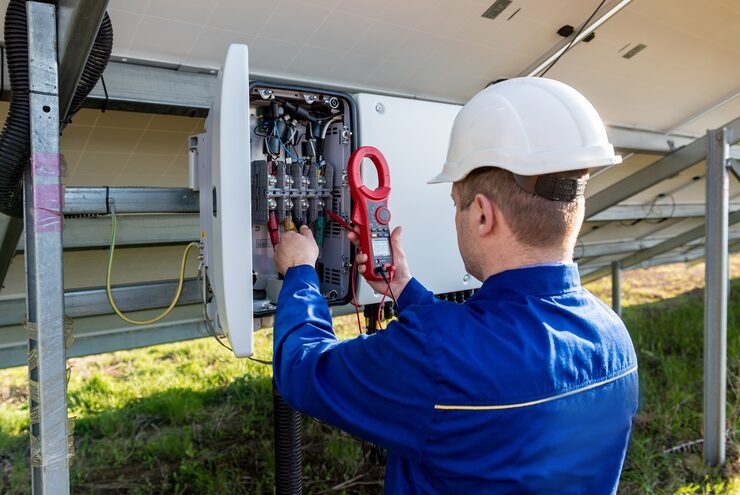
Troubleshooting starts with finding the actual fault, not guessing. Brandon traces the circuit from the panel out, checking breaker load, wire gauge, and connection points along the way. A loose neutral, a scorched breaker, or aluminum wiring from the 70s all show up differently, and each one gets fixed a different way.
For repairs that touch the main panel or service entrance, the utility has to de-energize the line at the meter or the pole – that part is theirs, not ours. Once power’s cut, we can safely open the panel, swap breakers, replace damaged wire runs, or reterminate connections. Most panel-level repairs mean the house is without power for a few hours, not all day. Smaller jobs, like fixing a bad outlet, a failed switch, or a circuit that’s overloaded, usually don’t require any utility involvement at all – we isolate that circuit at the panel and work on it live power to the rest of the house.
Every job gets tested before we leave: breaker trips correctly, GFCI and AFCI protection works where it’s required, and the load on that circuit matches what the wire is rated to carry.
What It Costs
A simple repair, like replacing a bad outlet, switch, or breaker, runs in the {PRICE_LOW} range. Diagnosing an intermittent fault, especially in an older home with cloth wiring or a mix of past repairs, takes longer and moves that number up. Anything involving Federal Pacific or Zinsco panel components, aluminum wiring pigtails, or a full circuit re-run into a finished wall lands closer to {PRICE_HIGH}. We give you the number after Brandon sees the panel and the circuit in question, not before, because what’s hidden in the wall matters more than what’s visible in the room.
How Long It Takes
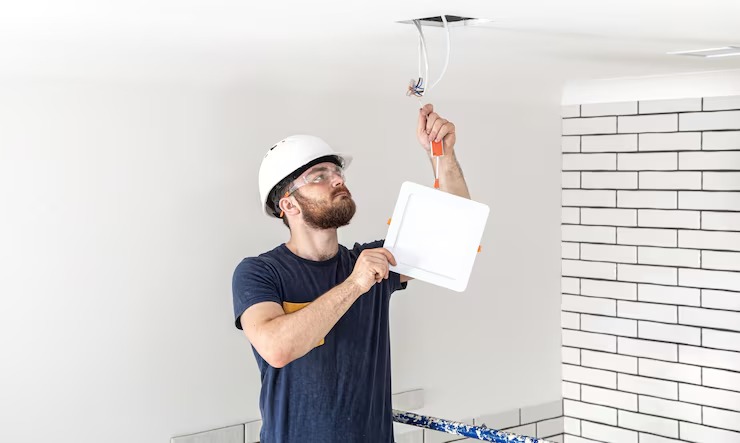
A straightforward outlet or switch repair is typically done same day, often in under an hour once we’re on site. Panel troubleshooting or breaker replacement runs longer – figure two to four hours including time for the utility to cut power if the main service is involved. If we find something that needs a permit, like a full circuit replacement or panel work, the inspection step adds a day or two before the job is fully closed out, though the repair itself is usually finished the same visit.
Permits and Inspection
Electrical repair work in Massachusetts that goes beyond a like-for-like swap – new circuits, panel work, service upgrades – requires a permit and a sign-off inspection from the local building department. That’s not paperwork for its own sake. It means a second set of eyes, someone other than the electrician who did the work, confirms the wiring meets code before it’s closed up behind drywall. Simple repairs like a single outlet or switch replacement generally don’t need a permit, but anything touching the panel or adding capacity does. Brandon pulls the permit and schedules the inspection as part of the job, so you’re not left chasing the town yourself. [EXTERNAL LINK: Massachusetts Electrical Code (527 CMR 12) – state code reference for permit thresholds and residential wiring requirements]
Common Questions
Is it normal for an older Lynnfield home to still have a 60 amp electrical service?
It's not unusual to find one, but it's undersized for most modern households. A 60 amp service struggles once you add central air, an EV charger, or a heat pump. Most of these get upgraded to 200 amps when a homeowner starts adding major appliances or a charger.
How do I know if I have a Federal Pacific or Zinsco panel?
Check the panel cover for the manufacturer name, usually stamped on the metal door or the breaker directory inside. If you're not sure, Brandon can identify it in a few minutes on site. Both brands are known for breakers that don't always trip when they should, which is a safety issue worth addressing regardless of whether anything's currently wrong.
Can you troubleshoot a circuit without shutting off power to the whole house?
Yes, in most cases. We isolate the specific circuit at the panel and work on it while the rest of the house stays powered. Only work directly on the main panel or service entrance requires a full shutdown, and that's usually brief.
Do I need a permit just to replace a broken outlet?
No. A straightforward like-for-like replacement of an outlet, switch, or fixture typically doesn't require a permit. Once the work involves adding a circuit, replacing a panel, or increasing capacity, a permit and inspection are required under Massachusetts code.
What's causing my breaker to trip repeatedly in Lynnfield homes with finished basements?
Often it's a circuit that was extended informally when the basement was finished, without accounting for the added load of lighting, an entertainment system, and outlets all on one breaker. We check the actual amperage draw against the wire gauge and breaker rating to confirm if that circuit needs to be split or upgraded.
Reach Out for Electrical Repair
We work across Lynnfield and the rest of the North Shore. Call {PHONE} to describe what’s going on, and we’ll get a time on the books to diagnose it properly and give you a straight answer on what it takes to fix.
Contact information
Talk to Brandon
Brandon left union electrical work to run the electrical side of this family business, with Chris handling plumbing and heating. If something in your Lynnfield home is tripping, buzzing, warm to the touch, or just not working right, describe what you’re seeing and he can usually tell you over the phone whether it’s a quick fix or something that needs a closer look at the panel.