Electrical Panel Replacement in Lynnfield, MA
A lot of Lynnfield’s housing stock went up from the 1950s through the 1980s, back when a 60 or 100 amp panel was plenty for a house without central air, a home office, or a garage full of power tools. Those original panels are still doing the job in plenty of basements and hallway closets around town, and in a fair number of cases the panel itself is the reason a homeowner can’t add what they actually want to add now.
Why Lynnfield Homes Need This
Lynnfield’s larger lots and later-era construction make it a strong candidate for electrical upgrades generally, but panel replacement specifically comes down to what’s actually installed in the box. We still find Federal Pacific Stab-Lok panels in Lynnfield homes built or renovated through the 1970s. FPE breakers have a documented history of failing to trip under overload conditions, and insurers increasingly flag them at renewal or during a sale. Zinsco panels, sold under a few different names through the 60s and 70s, have a similar reputation for breakers that fuse to the bus bar instead of tripping.
You’ll also find straightforward age-related issues that have nothing to do with a recalled brand: a 60 amp service that was fine in 1965, aluminum branch wiring from the era it was briefly popular, or a panel that’s simply full, with double-tapped breakers and no room for a new circuit. If you’re adding a heat pump, finishing a basement, or wiring an EV charger and your electrician tells you the panel needs to come out rather than just get a new breaker added, this is usually why.
What the Work Involves
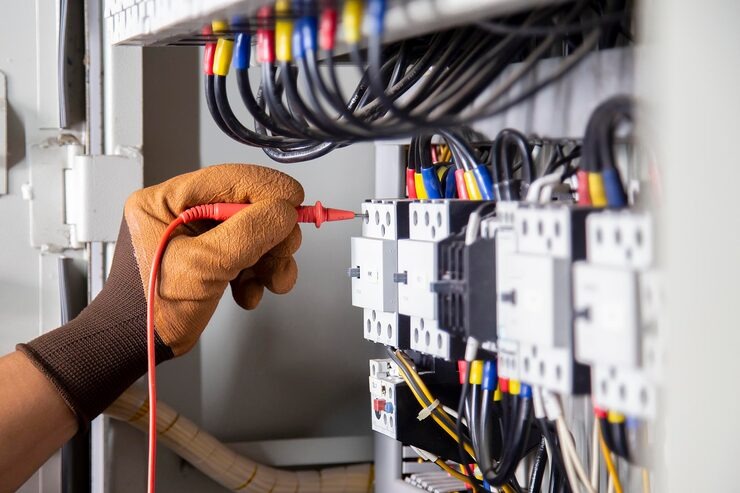
A panel replacement means the old panel comes out and a new one goes in, sized correctly for what the house needs today and what you’re likely to add in the next several years. Brandon typically specs 150 or 200 amp service for Lynnfield homes, depending on square footage, whether there’s a heat pump or electric heat, and whether an EV charger is planned.
The utility has to pull the meter or disconnect the drop before any work starts on a live panel, and that’s coordinated ahead of the job, not figured out on the day. Power to the house is off for the core of the work, generally a matter of hours, not a full day. Every circuit gets moved to the new panel and labeled, grounding and bonding get checked against current code, and any obviously dangerous conditions we find while we’re in there, double-tapped breakers, missing bonding, get flagged and addressed as part of the job.
What It Costs
Most panel replacements in Lynnfield run between {PRICE_LOW} and {PRICE_HIGH}. Where you land in that range depends on the amperage you’re moving to, whether the existing wiring needs any rework at the panel, how far the panel is from the meter, and whether the utility service drop or mast needs attention at the same time. A straightforward swap to 200 amp in an accessible basement costs less than a job where the panel has to be relocated or the meter equipment upgraded to match.
How Long It Takes
A standard panel replacement is usually a one-day job once the permit is pulled and the utility coordination is done. The power outage itself is short, typically a few hours while the old panel comes out and the new one goes in and gets tested. If the job also involves relocating the panel or upgrading the service mast, plan on it stretching into a second day.
Permits and Inspection
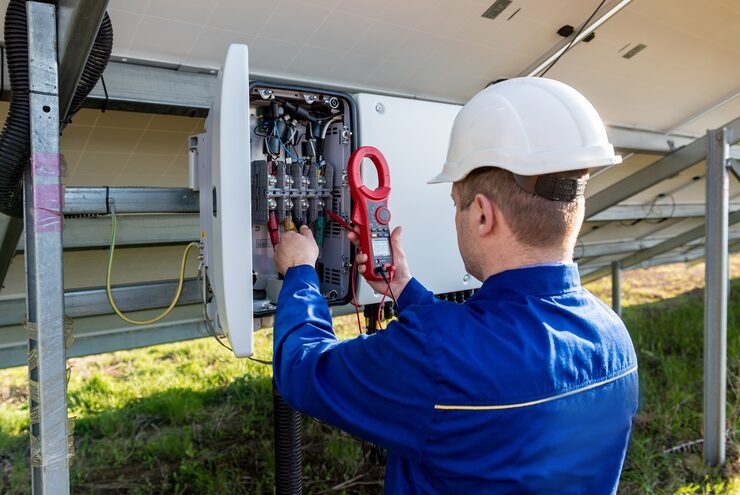
Panel replacement work requires a permit in every Massachusetts town, Lynnfield included, and it gets signed off by a municipal electrical inspector after the work is done. That inspection is what confirms the grounding, bonding, breaker sizing, and panel labeling all meet current code, not just that the lights turn back on. Brandon pulls the permit and schedules the inspection as a normal part of the job. If a contractor offers to skip that step, that’s worth treating as a warning sign, not a convenience.
Common Questions
How do I know if my panel is a Federal Pacific or Zinsco?
Check the label on the inside of the panel door. Federal Pacific panels usually say "Federal Pacific Electric" or "FPE Stab-Lok" on the breakers or the door. Zinsco panels are sometimes labeled Zinsco or, later, GTE-Sylvania. If you're not sure, send a photo and Brandon can usually tell right away.
Can I just replace individual breakers instead of the whole panel?
With a recalled or obsolete panel type, no. Replacement breakers for Federal Pacific and Zinsco panels don't fix the underlying bus bar issue, and in most cases new breakers for these brands aren't made to current standards anyway. The panel itself has to come out.
Will I need a bigger panel for an EV charger or heat pump later even if I don't add one now?
If either is a real possibility in the next few years, it's worth sizing the new panel for it now. Going from 100 amp to 150 or 200 amp during a replacement costs less than doing a second panel swap later just to add capacity.
How long will my power actually be off?
Does homeowners insurance care about this?
Reach Out for Electrical Panel Replacement
If you’ve got a Federal Pacific or Zinsco panel, a 60 amp service, or a panel that’s simply out of room, call Belfiore at {PHONE}. Brandon will look at what’s actually in your Lynnfield home and give you options instead of a guess over the phone.
Contact information
Talk to Brandon
Brandon is the licensed electrician at Belfiore. He’ll come look at the panel in person, tell you straight whether it needs replacement or just an upgrade, and walk you through amperage and breaker options before anything gets scheduled. For more on how a licensed electrician in Massachusetts is required to document this kind of work, the Massachusetts electrical permit process [EXTERNAL LINK: state.gov page on electrical permitting, relevant because it backs up the permits and inspection section with an authoritative source] lays out what’s required before and after the work.