
Tankless Water Heater Installation in Topsfield, MA
A lot of Topsfield properties still run on an oil-fired tank that was sized for a much smaller household than the one living there now. Add a well system, a couple of bathrooms added on over the years, and a basement that floods the second the tank finally gives out, and you have the exact situation that pushes people toward tankless. It is a good move here more often than not, but the gas question has to be answered honestly before anyone talks equipment.
Tankless Water Heater Installation in Topsfield
Belfiore installs tankless water heaters across Topsfield for homeowners who are done refilling a 50-gallon tank mid-shower or done paying to heat water they are not using. Chris walks the house first, checks what fuel is actually available, and sizes the unit to the fixtures you run, not to a catalog number. On a lot of Topsfield jobs that means a gas-fired tankless unit fed by a properly sized line, sometimes a propane conversion where natural gas never made it up the street. On others it means staying with a high-recovery tank because the house layout or the fuel situation does not support tankless without a disproportionate amount of new work.
What Topsfield Homes Typically Have
Topsfield’s housing runs older than a lot of the North Shore, plenty of it colonial and farmhouse-era construction on large lots with long driveways. Heating systems split fairly evenly between oil-fired boilers and older gas boilers, and it is common to find a water heater that was installed as an afterthought decades ago and never upsized as the house grew. Natural gas is on the street in the more built-up parts of town, but a real share of Topsfield properties sit past the gas main and run on oil or propane instead. That single fact changes the entire tankless conversation, because a gas-fired tankless unit needs a fuel source that can actually support it.
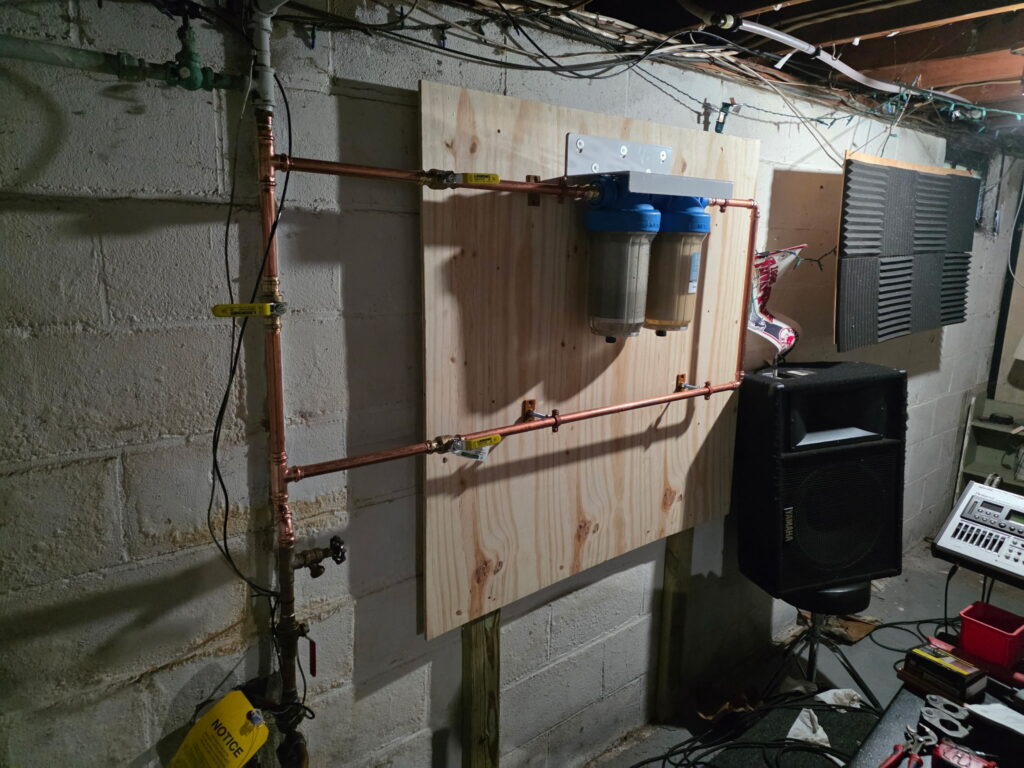
Well water is common enough here that we treat filtration as a real design question, not an add-on. Hard water and sediment shorten the life of a tankless heat exchanger fast if nothing is done to condition the supply first. If you are on well water, that gets addressed as part of the installation plan, not after the fact.
What the Work Involves
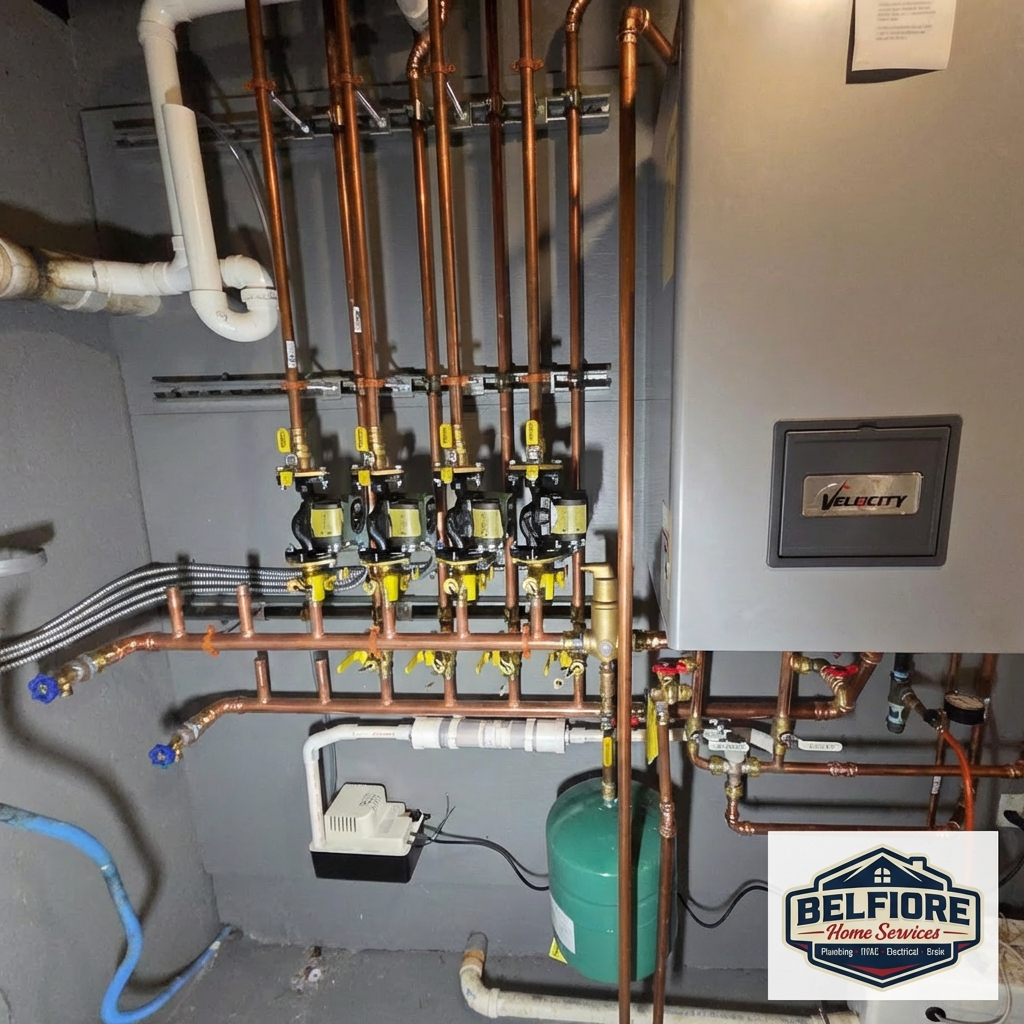
A gas tankless installation starts with draining and disconnecting the old tank, then confirming the gas line. Most residential tankless units need a 3/4-inch gas line minimum, and if your existing line was sized for a 40,000 BTU tank water heater, it is almost never big enough for a tankless unit pulling 150,000 to 199,000 BTU on demand. Undersized gas piping is the single most common reason a tankless quote comes in higher than a homeowner expected, and it is not something we skip past to make a number look better.
Venting is the other real piece. Tankless units are direct-vent, sealed combustion appliances, and they need a specific vent run in PVC, CPVC, or stainless steel depending on the unit, routed to an exterior wall with correct clearances from windows, doors, and grade. On an older Topsfield farmhouse with thick walls or a finished basement, that vent path sometimes takes more planning than the water heater swap itself.
For most single-unit gas replacements, the house is without hot water for the better part of a day. If a well pump, filtration system, or new gas line is part of the job, plan on it running into a second day.
Repair or replace
Not every failing water heater needs to come out. If you have a standard tank unit under ten years old and the problem is a bad thermocouple, a failed heating element, or a pressure relief valve doing its job, that is a repair, and Chris will tell you that on the visit. Replacement makes sense when the tank itself is leaking, when it is past the age where parts availability gets thin, or when the household has genuinely outgrown what the unit can produce, which is the more common driver for Topsfield’s larger, older homes. If tankless comes up as an option, it is because the fuel and venting situation supports it, not because it is the higher-ticket answer.
What it costs
Cost on a tankless job comes down to three things: the unit itself, whether the existing gas line and venting can be reused or need upgrading, and any well-water filtration added to protect the heat exchanger. A straightforward swap where the gas line is already sized correctly costs less than a job where we are running new 3/4-inch pipe from the meter or adding a whole-house filter ahead of the unit. Chris gives you the number for your specific house after the walkthrough, broken down so you can see what you are paying for {PRICE_RANGE}.
How long it takes
A standard gas-to-gas tankless conversion with adequate existing gas supply typically runs one full day. Add a gas line upsize, a new vent run through masonry or a finished wall, or a filtration system for well water, and the job usually extends to two days. We schedule around your household, not the other way around, and we tell you upfront which category your job falls into before work starts.
Common Questions
Can I install a tankless water heater if my house is not on natural gas?
Yes. A propane-fired tankless unit works the same way as a natural gas model, just with a different regulator and tank setup. Plenty of Topsfield homes past the gas main run tankless on propane without issue.
Do I need a water softener before installing tankless on well water?
If your well water tests hard, yes, or at minimum a scale-inhibiting filter ahead of the unit. Untreated hard water builds scale on the heat exchanger and shortens the unit's working life significantly.
Is my existing gas line big enough for a tankless unit?
Not always. Tank water heaters usually run on a 1/2-inch line, but most tankless units need 3/4-inch minimum depending on BTU draw and pipe length. This gets checked during the walkthrough before any quote is final.
Will a tankless unit really give me endless hot water?
It gives you continuous hot water within the unit's flow rate, so if you are running two showers and a dishwasher at once, sizing matters. Chris sizes the unit to your actual fixture count, not a generic household average.
Reach Out for Tankless Water Heater Installation
Topsfield’s mix of oil-heated farmhouses, well water, and homes past the gas main means no two tankless conversations here look the same. Belfiore works across Topsfield and the rest of the North Shore, and we will tell you plainly what your house needs before we tell you what it costs. Call {PHONE} to set up a walkthrough.
Contact information
Talk to Chris
Chris handles the plumbing side of Belfiore and walks every tankless job in Topsfield himself before quoting it. If you want a straight read on whether tankless makes sense for your gas supply and your household, or whether a repair or a better tank unit solves the problem for less, call {PHONE} and describe what is going on. No pressure toward the bigger job if it is not the right one.