Generator Installation and Connection in Lynn, MA
Generator Installation and Connection in Lynn
A lot of Lynn’s housing stock went up before anyone worried about air conditioning, let alone a home office and an EV charger running off the same panel. Add a nor’easter that knocks out power for two days along the waterfront or up near Lynn Woods, and you find out fast whether your electrical system was built for the life you’re actually living in that house.
Belfiore installs and connects standby and interlock-ready generator systems for homes across Lynn, from Diamond District triple-deckers to single-family Cape-style homes off the Lynnway. Brandon handles the electrical side directly, licensed and permitted, so the transfer equipment is sized and wired the way the Massachusetts electrical code actually requires.
Why Lynn Homes Need This
Lynn’s density is part of the story. A three-decker with three separate 100 amp services, fed off aging overhead drops, is a common setup here, and it means a storm outage doesn’t just cost you the lights, it costs three households their heat, their fridge, and in winter their boiler circulator pump if that boiler is oil or gas fired with an electric igniter or pump.
We still find 60 amp services in older Lynn homes that haven’t been touched since the original build, sometimes paired with a Federal Pacific Stab-Lok panel or a Zinsco panel, both of which have known breaker failure issues and are a real safety concern independent of any generator project. Cloth-insulated wiring and a few remaining knob and tube runs also show up in homes that predate the 1950s. Any of these conditions changes what a generator hookup requires, because you can’t safely tie new equipment into a panel that’s already a liability.
Price sensitivity is real in this city, and we get it. The honest answer is that a generator connection on a house with a sound, adequately sized panel is a more straightforward job than one where the panel itself needs attention first. We’ll tell you which situation you’re in before any work starts, not after.
What the Work Involves
For most Lynn homes we install either a manual interlock kit paired with a portable generator, or a transfer switch setup for a standby unit. The interlock is a mechanical device that physically prevents the main breaker and the generator breaker from being on at the same time, which is what keeps you from backfeeding the utility line and putting a lineman at risk.
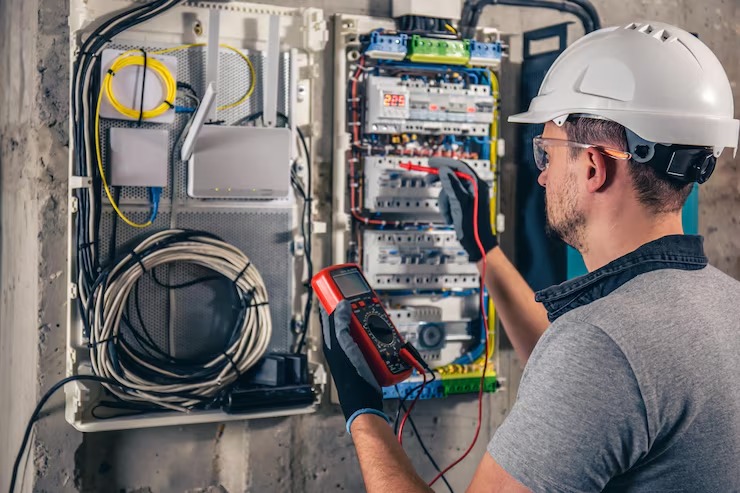
The job involves shutting off power to the house for the connection work, usually for a few hours, not a full day. Brandon runs the wiring from the panel to the generator inlet or transfer switch location, sizes the breaker to match the generator’s output, and confirms the panel’s existing capacity can handle the added hardware without overloading a already-tight box. If the panel is undersized or one of the older brands mentioned above, that gets addressed as part of the scope, not left as a surprise.
Utility involvement is limited to the service drop and meter. National Grid, which serves Lynn, doesn’t touch anything on the load side of the meter. That part, the panel, the transfer equipment, the generator circuit, is licensed electrical work start to finish.
What It Costs
A straightforward interlock kit installation on a panel that’s already in good shape typically runs in the range of {PRICE_LOW} to {PRICE_HIGH}. A full standby generator connection, or any job where the panel needs upgrading first because of age, amperage, or a Federal Pacific or Zinsco panel, moves toward the higher end or beyond it.
What actually moves the number: the condition and size of your existing panel, whether the service itself needs upgrading from 60 or 100 amp to 200 amp, how far the generator location is from the panel, and whether you’re running a portable unit with an interlock or a standby unit with an automatic transfer switch. We give you a number after we’ve looked at the panel, not before.
How Long It Takes
A standard interlock installation on a healthy panel is usually a one-day job. Standby generator connections with an automatic transfer switch, especially where the gas or propane line also needs sizing for the unit, typically take a full day for the electrical work and coordination with a separate fuel line step if one’s needed.
If your panel needs replacing before any generator work can happen safely, that adds a day. We’ll tell you upfront if that’s the case rather than discovering it partway through and stretching the timeline on you.
Permits and Inspection
This work is permitted through the City of Lynn and inspected before it’s signed off. That’s true whether it’s an interlock kit or a full standby system. The inspector checks the breaker sizing, the interlock or transfer switch installation, grounding, and that the work matches what’s on the permit.
Skipping the permit is common with unlicensed installers and it’s a real problem down the line, especially if you ever sell the house or file an insurance claim after storm damage. Licensed, permitted, inspected work is the difference between a generator hookup that’s actually safe to run and one that just looks finished.
Common Questions
Can I use a portable generator without an interlock kit?
You can run a portable generator with heavy-duty extension cords to power a few items, but connecting it to your home's wiring without an interlock or transfer switch risks backfeeding the utility line, which is dangerous for utility workers and illegal without an inspected connection.
Do I need to upgrade my panel to add a generator?
Not always. If your panel is in good condition and has room for the additional breaker, an interlock or transfer switch can often be added without a full panel upgrade. Older 60 amp services or Federal Pacific and Zinsco panels usually need attention first.
How does National Grid factor into a generator installation in Lynn?
National Grid owns the service drop and meter. They don't get involved in the panel or generator wiring itself, which is licensed electrical work, but any change to your service size does require coordination with them.
What size generator do I actually need for a Lynn three-decker?
It depends on how many units you're backing up and what each unit needs running during an outage, typically heat, refrigeration, and some lighting and outlets. Brandon can calculate the load per unit and recommend a size instead of guessing.
Is the permit really necessary for a generator hookup?
Yes. Massachusetts requires a permit and inspection for this electrical work. It protects you if there's ever a fire, insurance claim, or sale of the property, and it confirms the installation meets code.
Reach Out for Generator Installation
If you’re in Lynn and thinking about backup power before the next storm season, call {PHONE}. We’ll look at your panel, talk through the options that fit your house, and give you a real number, not a guess over the phone.
Contact information
Talk to Brandon
Brandon is the licensed electrician handling generator work at Belfiore. He’ll walk your panel with you, tell you straight whether it’s ready for a generator connection as-is or needs work first, and explain the interlock versus transfer switch decision in plain terms based on what you actually want to run during an outage.