EV Charger Installation in Ipswich, MA
A lot of Ipswich houses were wired for oil heat and a window AC unit, not a car that needs 40 to 60 amps overnight. Between the First Period saltboxes off County Street and the colonials scattered along the Ipswich River, plenty of homes are still running on services that were generous for 1975 and undersized for 2024. If you just ordered an EV and you’re looking at a garage or driveway outlet that clearly isn’t going to cut it, that’s the normal starting point here, not the exception.
Why Ipswich Homes Need This
Ipswich has one of the largest concentrations of pre-1800 housing on the North Shore, and a lot of the newer stock still dates to the 1950s and 60s. That means a wide mix of electrical conditions on any given street. We still find 60 amp services, cloth-insulated branch circuits from an old renovation, and the occasional Federal Pacific Stab-Lok panel that was never swapped out. None of those are a good foundation for a Level 2 charger pulling steady current for hours at a stretch.
Ipswich is also rural to semi-rural in a lot of neighborhoods, on well and septic, with the same long-outage exposure you get anywhere the trees are old and the lines run through them. That’s part of why we’re having more generator conversations out here too. When a customer is already looking at backup power for a well pump and a sump pump, adding an EV charger circuit to that same planning conversation makes sense, because both jobs start with the same question: what is this panel actually rated for, and what’s left to give.
What the Work Involves
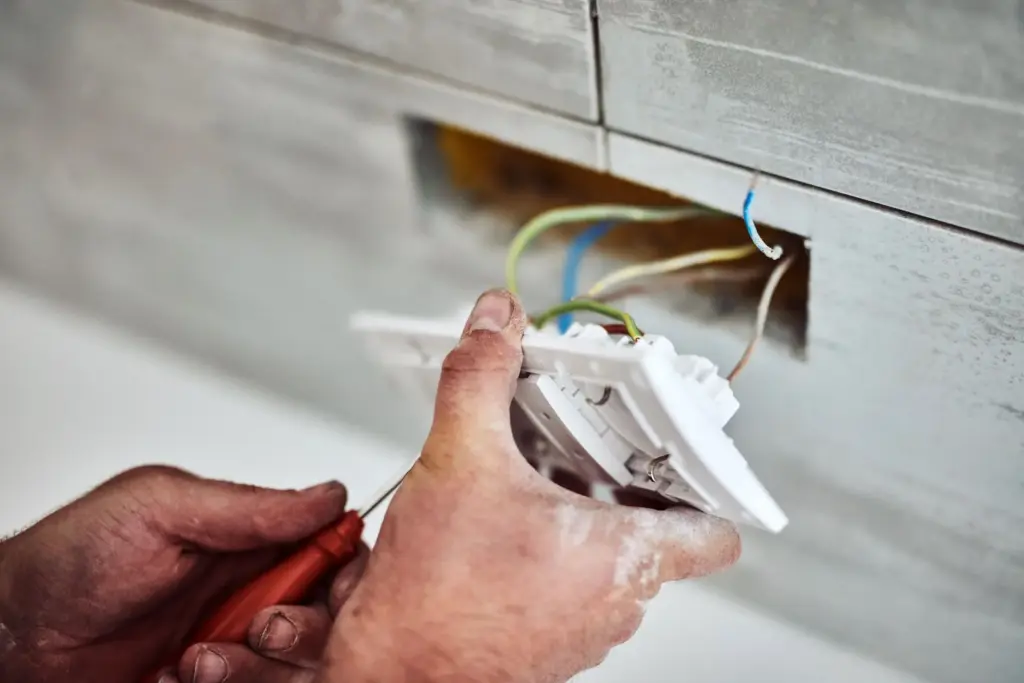
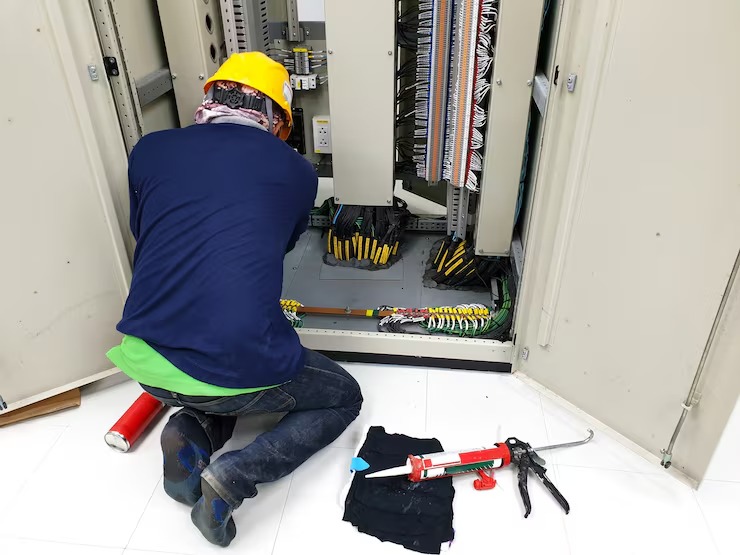
Brandon starts with a load calculation, not a guess. That means adding up what the panel already carries – heat, hot water, kitchen circuits, any well pump or sump pump – and figuring out what headroom is left for a dedicated 240V circuit. In a lot of older Ipswich homes, that calculation is the whole ballgame. If the panel is maxed out or it’s an obsolete brand, the charger install becomes a panel conversation first.
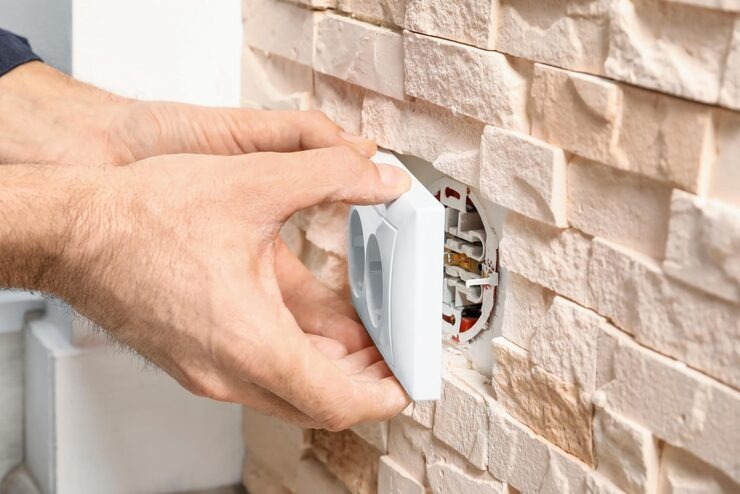
Once the panel can support it, the job is a dedicated circuit run from the panel to the charger location, sized correctly for the equipment – typically a 40 or 50 amp breaker with 8 or 6 gauge copper, depending on the charger’s draw and the run length. We mount either a hardwired unit or a NEMA 14-50 outlet, whichever the charger manufacturer calls for, and we bond and ground it properly, which matters more in a house with older grounding than people realize.
The power to your house has to come off while we work in the panel. On a straightforward job that’s usually a short window, not a full day. The utility isn’t involved unless the existing service itself is too small to add the new load – that’s a separate step and one we’ll flag up front, not after the fact.
What It Costs
A straightforward EV charger circuit in a home with a modern panel and available capacity runs {PRICE_LOW} to {PRICE_HIGH}. That range moves with distance from the panel to the charger location, whether we’re going through finished walls or an accessible basement, and whether the charger is hardwired or plugged into a NEMA outlet. If the load calculation shows the existing panel or service can’t support the new circuit, a panel upgrade gets priced separately and we’ll walk you through why before any work starts. Nobody gets a number without Brandon actually looking at the panel first.
How Long It Takes
Most straightforward installs are a single visit, done in an afternoon. If the panel needs work first – a subpanel, a breaker swap, or a full upgrade – that adds a separate visit, partly because parts and inspection timing don’t always line up with a same-day schedule. We’ll tell you which category your house falls into before we start, so you’re not guessing.
Permits and Inspection
EV charger circuits are permitted electrical work in Massachusetts, and Ipswich requires a permit and an inspection like every other town on the North Shore. Brandon pulls the permit, does the work to code, and the inspector signs off before it’s called done. This isn’t optional paperwork – it’s what separates a licensed job from someone’s cousin running a wire on a Saturday. For homeowners weighing that difference, the [EXTERNAL LINK: Massachusetts Electrical Code (527 CMR 12) reference from the state Board of Fire Prevention Regulations, showing the actual code EV charger circuits must meet] is public record, and it’s the standard every inspection here gets held to.
Common Questions
Can my Ipswich home's panel handle an EV charger?
It depends on the panel's age and rated capacity, plus everything else already drawing power in the house. A lot of older Ipswich homes run 60 or 100 amp services that leave little room for a new 40 to 50 amp circuit. Brandon runs the load calculation on-site so you know for certain instead of guessing.
Do I need a permit for a home EV charger in Massachusetts?
Yes. EV charger circuits are permitted electrical work under Massachusetts code, and Ipswich requires inspection before the job is considered complete. A licensed electrician pulls the permit as part of the job.
What size wire and breaker does a Level 2 charger need?
Most residential Level 2 chargers need a dedicated 40 or 50 amp circuit, wired with 8 or 6 gauge copper depending on the run length and the charger's rated draw. Brandon sizes it to the specific charger you're installing, not a generic assumption.
What if my house still has a Federal Pacific or Zinsco panel?
Does the utility need to be involved?
Reach Out for EV Charger Installation
If you’ve got a charger ordered, or you’re still deciding between brands and amperage, call {PHONE} and describe your panel and your house. We work across Ipswich and the rest of the North Shore, and we’ll tell you what your home actually needs before we tell you what it costs.
Contact information
Talk to Brandon
Brandon left union electrical work to run the electrical side of this family business alongside his brother Chris, who handles plumbing and heating. He’s the one who’ll look at your panel, run the load calculation, and tell you straight whether your Ipswich home is ready for a charger or needs a panel conversation first. No call center, no subcontractor, just the electrician doing the work.