Generator Installation and Connection in Salem, MA
Generator Installation and Connection in Salem
A lot of Salem houses were built before anyone thought about central air, an EV in the driveway, and a home office running two monitors off the same circuit as the refrigerator. Add a coastal nor’easter that knocks out power for two days and you’ve got the reason this page exists. Homeowners here aren’t asking for a generator because it’s trendy. They’re asking because the lights actually went out last winter and the sump pump stopped with them.
Why Salem Homes Need This
Salem’s housing stock skews old, a lot of it pre-1940, plus a good number of two and three family conversions where the electrical service was sized for a much simpler house. It’s common to find 60 amp or 100 amp services still in place, sometimes paired with cloth-insulated wiring or remnants of knob and tube tucked in a wall cavity nobody’s opened since the last renovation. Some of these homes still run Federal Pacific or Zinsco panels, both of which have known breaker failure issues and neither of which is a safe pairing with a modern generator interlock.
Then there’s the coastal factor. Salem and the rest of the North Shore take the brunt of nor’easters and the tree-limb-on-a-wire outages that come with them. When National Grid is working a downed line in Peabody and Marblehead at the same time, your street isn’t first in line. A generator connection means you’re not waiting on that queue, especially if you’ve got a sump pump, a boiler with an electronic ignition, or medical equipment that needs steady power.
What the Work Involves
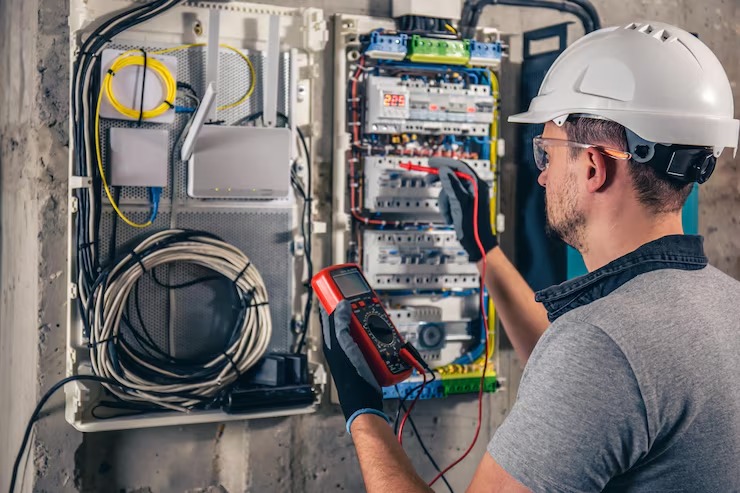
Brandon starts by looking at what you actually want covered: whole house, or just the essentials like heat, refrigeration, and a few outlets. That decision drives everything else. A portable generator setup usually means installing a manual transfer switch and an inlet box on the exterior of the house, so you can plug in and manually switch over the circuits you’ve chosen. A standalone or whole-house unit means an automatic transfer switch, a dedicated concrete or composite pad outside, and in most cases a new gas line sized for the generator’s BTU draw if you’re running natural gas instead of propane.
Either way, the main service gets shut off during the connection, typically for a few hours, not days. The utility owns the meter and the service drop, so if your existing service needs to be upgraded to handle the added load, that coordination happens with National Grid before Brandon closes anything up. On the electrician’s side: sizing the transfer switch to your panel, running new circuit wiring where needed, setting the disconnect, and testing the whole system under an actual simulated outage before he leaves.
What It Costs
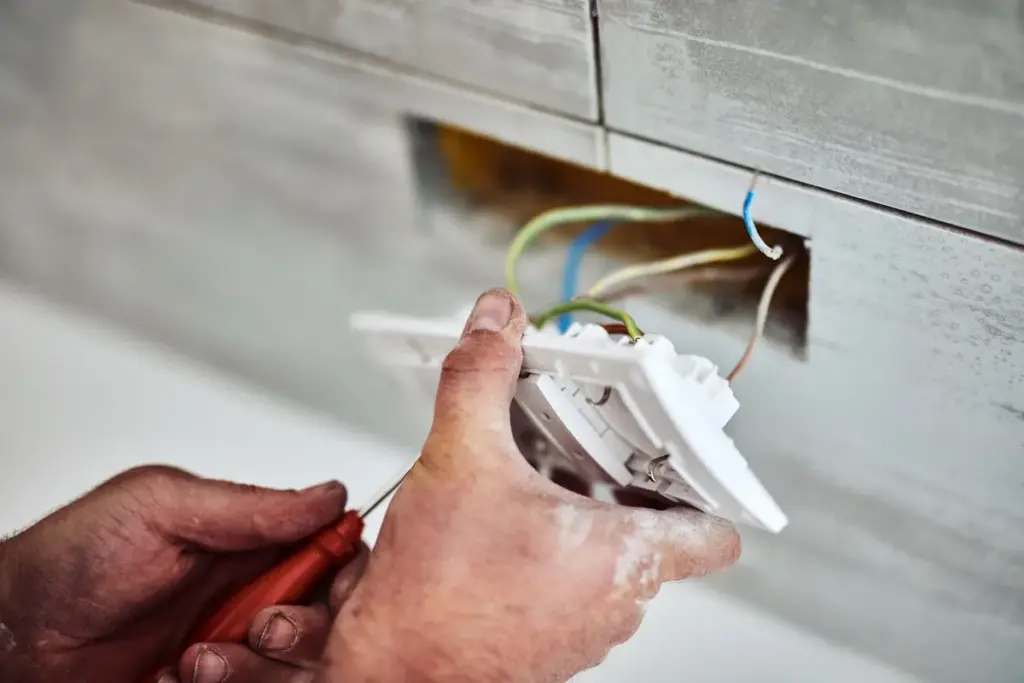
Most generator connection work in Salem runs {PRICE_LOW} to {PRICE_HIGH}. A manual transfer switch and inlet for a portable unit sits at the lower end. A full automatic transfer switch setup, especially one paired with a panel upgrade because the existing 60 or 100 amp service can’t support it, sits at the higher end. Gas line extensions, concrete pad work, and any knob and tube or Federal Pacific panel remediation found along the way will move the number too. Brandon gives you the real figure after he’s seen your panel and your gas meter, not before.
How Long It Takes
A straightforward manual transfer switch installation is usually a one-day job. Whole-house automatic setups, including the pad, gas line, and permitting lead time, typically run two to four days of actual work, though it can stretch longer if the town’s inspection schedule is backed up or if a panel upgrade gets added to the scope once the panel’s opened up.
Permits and Inspection
Generator installations are permitted work in Massachusetts, full stop. That covers the electrical connection, the transfer switch, and in most cases the gas line if one’s being run or extended. Salem’s building department inspects the completed work before it’s signed off, which means someone other than the installer is confirming the wiring, the switch, and the disconnect meet code. That inspection step is exactly what separates a licensed electrician’s generator hookup from a handyman running an extension cord through a window during a storm. [EXTERNAL LINK: Massachusetts electrical permit process, for homeowners who want to see the requirement directly from the state] is worth a look if you want to see what’s actually required before work starts.
Common Questions
Do I need a permit for a generator in Salem?
Yes. Generator installations require an electrical permit, and if a gas line is involved, a plumbing or gas permit as well. Salem's building department inspects the finished work before it's approved.
Can my current electrical panel handle a generator?
It depends on the panel and the size of the generator. Many older Salem homes still have 60 or 100 amp services, which may need an upgrade before a whole-house generator can be safely connected. Brandon can tell you after looking at the panel.
What's the difference between a manual and automatic transfer switch?
A manual switch requires you to flip breakers or a selector to route power from the generator to chosen circuits. An automatic switch senses an outage and switches over on its own, usually within seconds, without you touching anything.
Does a generator run on natural gas or propane?
Both are options. Natural gas means no refueling but requires a properly sized gas line from your meter. Propane needs a tank on site but works even if gas service to the neighborhood is affected.
How loud is a whole-house generator?
Most standalone units run in the 60 to 70 decibel range at a distance, roughly comparable to a running dishwasher. Placement on the pad, including distance from windows and property lines, is part of the planning.
Reach Out for Generator Installation
Call {PHONE} to talk through what you’ve got now and what a transfer switch or whole-house setup would actually involve for your house. Belfiore is a Salem-based company and we work across Salem and the rest of the North Shore, so Brandon knows the panel types and service sizes he’s going to find before he opens your electrical box.
Contact information
Talk to Brandon
Brandon’s the licensed electrician on the Belfiore side, and generator work is squarely his lane. If you’ve been through an outage that cost you a fridge full of food or a flooded basement, or you just want to know what your existing panel can handle before you buy a unit, that’s a conversation worth having before storm season, not during it.