
Electrical Panel Replacement in North Andover, MA
A lot of North Andover’s housing stock dates back to the colonial center and the farmhouses that came before the postwar building boom filled in the rest of town. Plenty of those homes still run on panels installed decades before central air, electric ranges, or a home office full of chargers were part of the picture. When the panel itself is the problem, not just its size, that’s a replacement, not an upgrade.
Why North Andover Homes Need This
North Andover mixes a historic town center with large post-war colonials and a good amount of newer construction near the Lawrence and Boxford lines. That range shows up in the panels we find. Older homes near the common sometimes still carry knob and tube wiring behind the walls, feeding a 60 amp fuse panel that was never meant to run a modern kitchen, let alone central AC and an EV charger at the same time.
The bigger red flag we run into locally is brand. Federal Pacific Stab-Lok panels and Zinsco panels were installed across the North Shore through the 1960s and 70s, and North Andover has its share. Both brands have documented breaker failures where the breaker doesn’t trip under a fault. That’s not a capacity problem you fix by adding a subpanel. It’s a panel that needs to come out.
North Andover’s remodel activity adds to this. Kitchen additions, primary suite renovations, finished basements. Every one of those projects opens up a panel that was already marginal, and an inspector or a plumber doing rough-in work will often be the one to flag it before we ever get the call.
What the Work Involves
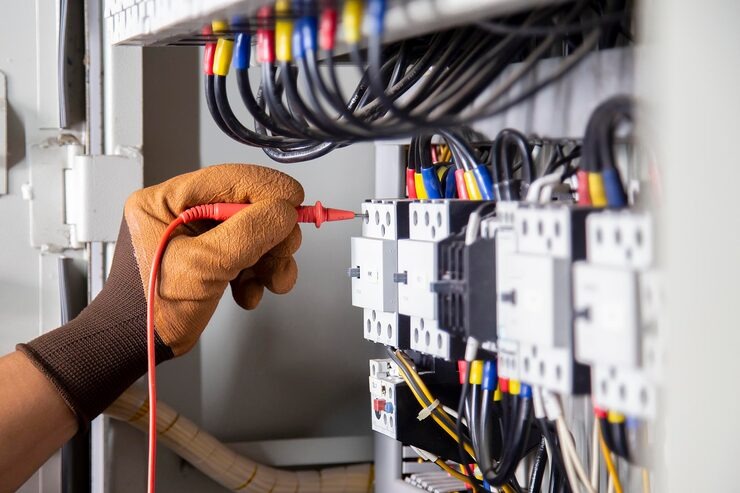
Brandon starts by opening the existing panel and tracing what’s actually there, not what the label says. On an obsolete or recalled panel, we’re not patching individual breakers. The whole panel comes out and gets replaced with a new load center sized correctly for the house, typically 100 or 200 amp depending on what’s already installed and what the home is likely to add in the next several years.
The utility has to pull the meter before any work starts, since the panel sits downstream of it. That’s coordinated ahead of time, not discovered on site. Power to the house is out for the duration of the swap, usually a matter of hours, not a full day, though older services with deteriorated wiring sometimes take longer to sort out safely.
Every circuit gets landed in the new panel, labeled, and checked. Where we find aluminum branch wiring or cloth insulation that’s brittle, we flag it separately, because a new panel doesn’t fix wiring that’s already a problem behind the walls.
What It Costs
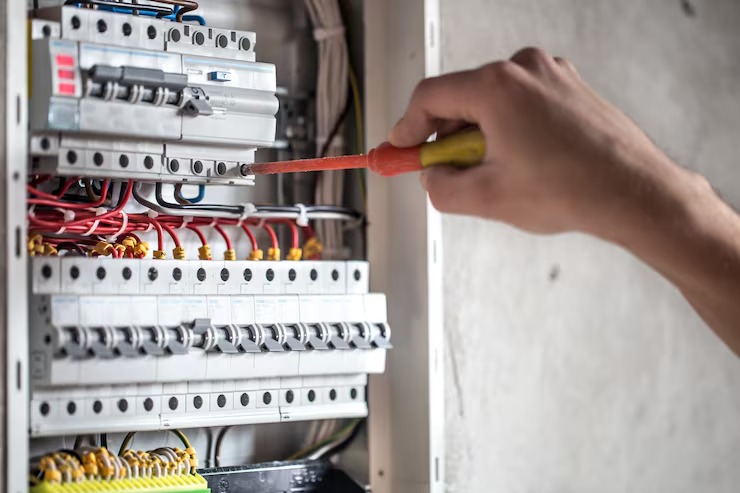
Panel replacement in North Andover generally runs {PRICE_LOW} to {PRICE_HIGH}. The spread comes down to a handful of things: whether it’s a straight swap or the amperage is changing at the same time, how much the existing wiring needs attention, whether the meter socket or mast also needs work, and how accessible the panel actually is. A basement panel with clear access costs less to replace than one buried behind finished walls or crammed into a tight closet.
Brandon gives you a number after he’s looked at the panel in person, not over the phone. Anyone quoting a fixed price sight unseen on a job like this is guessing.
How Long It Takes
Most straightforward replacements are a single day of on-site work. Add time if the utility needs to schedule a meter pull ahead of the job, if the town’s inspection can’t happen same-week, or if we uncover wiring issues once the old panel is open. We’ll tell you upfront what the realistic timeline looks like for your specific panel rather than promising a number that only holds up on the easy jobs.
Permits and Inspection
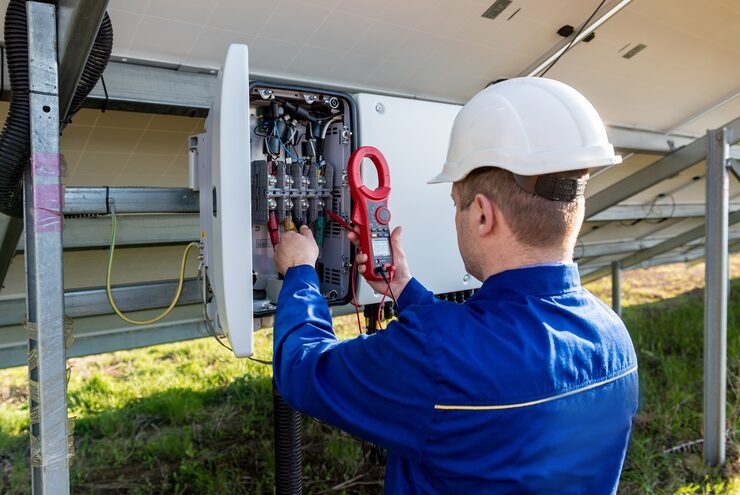
Panel replacement requires a permit in Massachusetts, and it gets inspected. That’s not paperwork for its own sake. It means a licensed electrician pulled the permit, the town’s inspector verified the grounding, bonding, and breaker sizing, and there’s a record tied to the address. Unlicensed panel work is still common on the North Shore, and it’s the kind of shortcut that shows up later at resale or, worse, in a fire report. Brandon handles the permit and the inspection scheduling as part of the job. [EXTERNAL LINK: Massachusetts electrical code (527 CMR 12) reference for permit and inspection requirements]
Common Questions
How do I know if my panel needs replacing instead of just upgrading?
If the panel itself is obsolete, damaged, or a recalled brand like Federal Pacific Stab-Lok or Zinsco, that's a replacement issue regardless of amperage. If the panel is in good working condition but you simply need more capacity for an EV charger, heat pump, or addition, that's a capacity upgrade instead. Brandon can tell you which situation you're in during a quick on-site look.
Are Federal Pacific and Zinsco panels really that common in North Andover?
Yes. Both brands were installed widely across Massachusetts through the 1960s and into the 70s, and North Andover's mix of colonial-era and postwar homes has plenty of them still in service. Neither brand is manufactured anymore, and both have documented histories of breakers that fail to trip properly.
Will my power be off all day during the replacement?
Usually not. Most straightforward swaps have the power out for a few hours while the meter is pulled and the new panel is landed and connected. Homes with additional wiring problems discovered along the way can take longer.
Do I need a permit for a panel replacement?
Does Belfiore work in North Andover regularly?
Reach Out for Electrical Panel Replacement
If your North Andover home still has a Federal Pacific or Zinsco panel, a 60 amp fuse box, or a panel that’s just old enough to make you nervous, call {PHONE}. Brandon will look at what you’ve got and lay out the options plainly, no pressure and no guesswork.
Contact information
Talk to Brandon
Brandon left union electrical work to run the electrical side of a family business alongside his twin brother, who handles the plumbing. He’s the one who looks at your panel and tells you straight whether it needs replacing or whether it’s still doing its job. North Andover is on the far edge of where we work out of Salem, so scheduling is honest rather than same-hour, but the work itself doesn’t change based on distance.