
Dedicated Circuit Installation in Beverly, MA
A lot of Beverly’s housing stock went up before World War II, back when a house ran on a couple of 15-amp circuits and nobody was plugging in a car overnight. Now the same house is expected to run an EV charger, a hot tub, a ductless heat pump, and a kitchen full of 240-volt appliances off wiring and a panel that were never sized for any of it. A dedicated circuit is how you add that load without tripping breakers or overheating old wire.
Why Beverly Homes Need This
Between the Ryal Side two-families, the Montserrat colonials, and the older homes near downtown Beverly, we run into the same handful of issues over and over. Knob and tube wiring is still live in attics and wall cavities that were never touched during a remodel. A lot of these houses came with 60-amp or early 100-amp services that were adequate in 1965 and are maxed out today. Some still have Federal Pacific Stab-Lok or Zinsco panels, both of which have known breaker failure issues and get flagged by inspectors and insurance carriers alike.
Add a garage EV charger, a new electric range, a mini-split condenser, or a woodworking shop in the basement, and you’re asking a panel that’s already tight to absorb another 20, 30, or 50 amps. A dedicated circuit isolates that one appliance on its own breaker and its own run of wire, sized correctly, so it doesn’t share capacity with your lights and outlets. In a lot of Beverly homes, that also means we’re looking hard at whether the panel itself has room, or whether a panel upgrade needs to happen first.
What the Work Involves
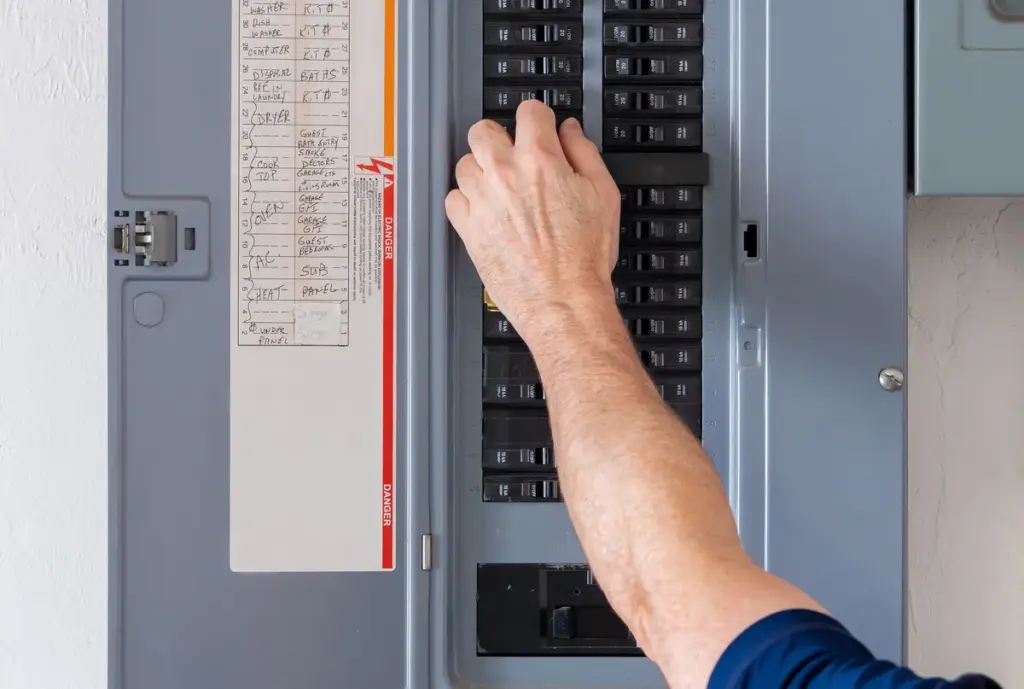
Every dedicated circuit starts with a load calculation. Brandon checks what the panel is rated for, what’s already on it, and what the new appliance actually draws. A 50-amp EV charger circuit needs different wire and breaker sizing than a 20-amp circuit for a microwave or a 30-amp circuit for an electric dryer.
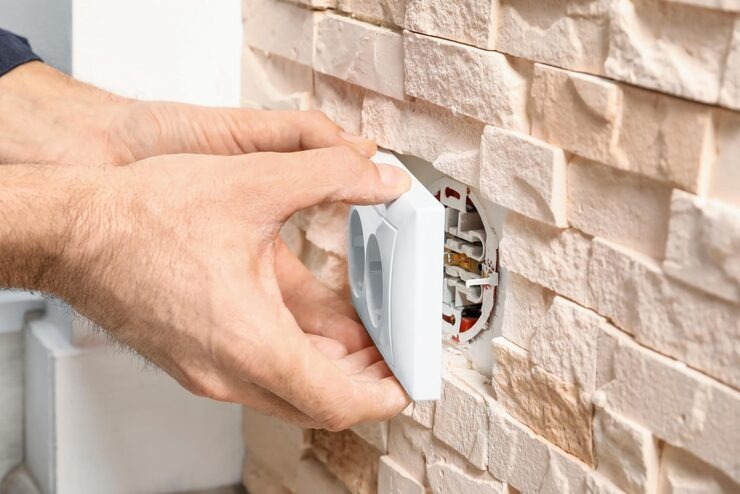
From there it’s a matter of running the right gauge wire, usually copper, from the panel to the new outlet or hardwired connection point, on its own dedicated breaker. In an older Beverly home this often means fishing wire through plaster and lath, running conduit along a basement ceiling, or opening a small section of wall that gets patched after. If the existing service doesn’t have the spare capacity, that’s a separate conversation about a panel upgrade before we touch the new circuit.
Power to the affected circuit gets shut off while we work, not the whole house, unless we’re also opening up the main panel. Most single-circuit jobs are done without an all-day outage. Anything involving the utility’s own equipment, like a meter or service drop, requires coordinating with National Grid, and that part is outside our control on timing.
What It Costs
A straightforward dedicated circuit for something like a dryer, range, or window AC unit, run a short distance with easy access, typically falls in the {PRICE_LOW} to {PRICE_HIGH} range. EV charger circuits, hot tub circuits, and anything requiring a long wire run, conduit through masonry, or work in a finished basement ceiling push toward the higher end. If we get into the panel and find it’s already full or it’s a Federal Pacific or Zinsco unit that shouldn’t be added to, that changes the scope and the number. Brandon gives you the real figure after he’s seen the panel and the run, not before.
How Long It Takes
A single dedicated circuit in a home with reasonable access, like an unfinished basement below the panel, is usually a same-day job. Longer runs, tight crawl spaces, plaster walls, or a second-floor destination add hours, sometimes a second day. If the job turns into a panel upgrade because there’s no room for a new breaker, that’s a separate scheduling conversation, since it usually means a permit and a utility coordination step before the panel work happens.
Permits and Inspection
Dedicated circuit work is permitted in Massachusetts, and the city of Beverly’s inspectional services department signs off on it. Brandon pulls the permit, does the installation to the current Massachusetts Electrical Code, and the work gets inspected before it’s closed up. That inspection is what tells you the wire gauge, breaker size, and grounding are actually correct, not just guessed at. It’s also the paper trail your homeowner’s insurance and any future buyer’s home inspector will want to see. [EXTERNAL LINK: Massachusetts Board of State Examiners of Electricians code and licensing page, for homeowners who want to verify licensing requirements and code basis]
Common Questions
Do I need a dedicated circuit for an EV charger?
Yes. Level 2 home EV chargers pull 30 to 50 amps continuously and need their own breaker and wire run sized to code. Sharing that load with other outlets isn't safe or code-compliant.
Can my old panel handle a new dedicated circuit?
It depends on the panel's rated capacity and what's already connected. A lot of the 60-amp and early 100-amp services common in older Beverly homes are already close to full, which is something Brandon checks with a load calculation before quoting the job.
What's the difference between a dedicated circuit and a regular outlet?
A dedicated circuit runs from the panel to one single appliance or outlet with no other devices sharing that breaker or wire. A regular circuit often powers several outlets and lights on the same run.
Will the whole house lose power during the installation?
Is a permit really required for one new circuit?
Reach Out for Dedicated Circuit Installation
If you’re adding an EV charger, a new range, a hot tub, or shop equipment anywhere in Beverly, call {PHONE} and describe what you’re installing. Brandon can usually tell you over the phone whether your panel likely has room, then confirm it on site before any work starts.
Contact information
Talk to Brandon
Brandon is the licensed electrician at Belfiore. He grew up doing this work before he left the union to run the electrical side of the family business, and he’s the one who shows up, looks at your panel, and tells you straight whether you need one circuit or a bigger conversation about your service size. No call center, no subcontractor. You get the person doing the work.