
Electrical Service Upgrades in Nahant, MA
A lot of Nahant houses went up when a 60 amp service was normal, back before anyone had central air, an electric range, or a car that plugs in overnight. Add up what a modern coastal home actually runs now and that original service is working a lot harder than it was built for. If you’ve had the lights dim when the dryer kicks on, or the utility has flagged your drop during a recent inspection, you’re looking at a service upgrade, not a patch job.
Why Nahant Homes Need This
Nahant is a small peninsula with a lot of older housing stock and almost no room to spread out. Lots are tight, driveways are short, and getting a bucket truck or a trench crew into position on some streets takes real planning. That alone makes service work here different from a subdivision job in a newer town.
The bigger issue is what’s actually in the walls and on the wall outside. A good number of Nahant homes still run a 60 or 100 amp service that was correct for the house in 1965 and isn’t correct for it now. Some of these homes still have cloth-insulated wiring or knob-and-tube runs feeding parts of the house, and a portion of the panels we find in this area are older Federal Pacific Stab-Lok or Zinsco equipment. Both of those brands have known breaker failure issues that insurers and home inspectors flag regularly. If you’re refinancing, selling, or just had a home inspection come back with a red flag on the panel, a service upgrade and panel swap is usually the fix.
Then there’s the coast itself. Salt air is hard on anything mounted outside, and that includes your meter socket, weatherhead, and service mast. We see corrosion on exterior electrical equipment in Nahant that you just don’t see a few miles inland. And because power outages here tend to follow every nor’easter and coastal storm, a lot of homeowners are upgrading service specifically to support a generator transfer switch, sized for a house that’s also added central air, a heat pump, or an EV charger since it was built.
What the Work Involves
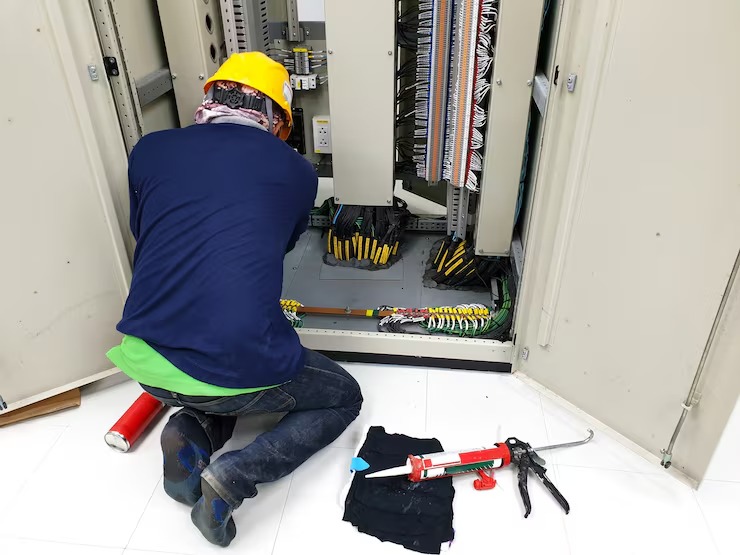
A service upgrade is a utility-and-electrician job split down the middle. Brandon handles everything on the house side: new meter socket, new service mast if the old one is corroded or undersized, new panel or panel interior rated for the higher amperage, and all the interior wiring terminations. The utility owns the drop itself, the transformer capacity feeding it, and the final connection at the meter.
Here’s roughly how it runs. Brandon pulls the permit and schedules the utility’s disconnect, because nobody touches a live service drop. The old meter socket, mast, and panel come out. New equipment goes in sized to the amperage you’re upgrading to, typically a jump from 60 or 100 amp to 100, 150, or 200 amp service. Every circuit gets landed in the new panel and labeled. The inspector signs off on the rough work, then the utility reconnects and resets the meter.
Power is out for the house during the swap itself, usually for most of a working day once the utility disconnect and reconnect are both factored in. We coordinate the timing so you’re not sitting without power longer than the job actually requires.
What It Costs
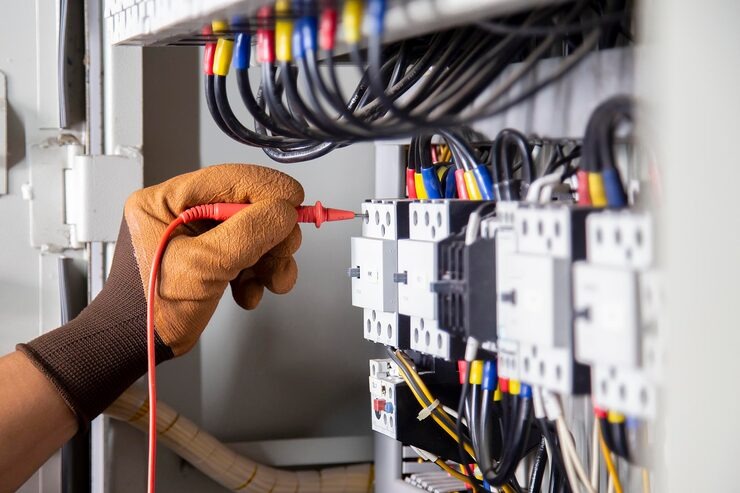
A straightforward 100 to 200 amp service upgrade in Nahant typically runs {PRICE_LOW} to {PRICE_HIGH}. What moves the number: how far the mast has to run, whether the meter socket and mast need full replacement due to salt corrosion, how much of the interior wiring gets re-terminated, whether the panel location is changing, and how much access the crew has on a tight lot. A house where the mast is rotted through the wall sheathing costs more to correct than one where it’s just the panel itself that’s outdated. Brandon will walk the whole setup with you before quoting a number, not after.
How Long It Takes
Most service upgrades are a one-day job for the physical work, assuming the utility disconnect is scheduled ahead of time and the inspector is available promptly after. The permit and utility scheduling on the front end usually take longer than the install itself. Plan on a lead time of a couple of weeks between signing off on the job and having power fully restored on the new service, mostly waiting on the utility’s calendar and the town inspector.
Permits and Inspection
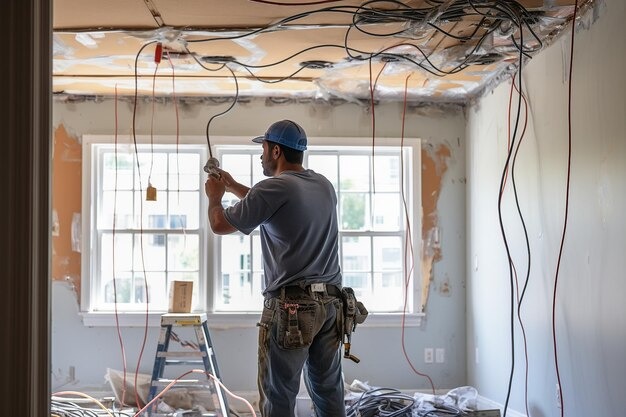
A service upgrade is permitted work under the Massachusetts Electrical Code, full stop. Brandon pulls the permit, the wiring inspector reviews the rough-in before the panel gets closed up, and the utility won’t reconnect the service until that inspection is signed off. That sequence exists to catch bad terminations, wrong wire gauge for the breaker rating, and undersized equipment before it’s live. It’s also the difference between hiring a licensed electrician and hiring someone with a truck and a business card. [EXTERNAL LINK: Massachusetts Board of State Examiners of Electricians – electrical code and permitting requirements]
Common Questions
How do I know if my Nahant home needs a service upgrade instead of just a new panel?
If your service is 60 or 100 amp and you're adding central air, a heat pump, an EV charger, or a generator, the panel isn't the bottleneck, the incoming service size is. Brandon can check your meter and service size on site and tell you which one you actually need.
Is a Federal Pacific or Zinsco panel actually dangerous?
Both brands have documented breaker failure issues where the breaker doesn't trip properly under an overload or short. It's a common enough problem that many insurers will flag it during underwriting or a home sale, which is often what prompts homeowners to call us.
How long will my power be out during a service upgrade?
Usually most of one day, from utility disconnect to reconnect. We schedule the utility's part in advance so you're not waiting around longer than the job requires.
Do I need a permit for a service upgrade in Massachusetts?
Yes. This work is permitted and inspected under the Massachusetts Electrical Code. Brandon pulls the permit and the wiring inspector signs off before the utility will reconnect your service.
Can you size the upgrade for a future generator or EV charger even if I'm not installing one yet?
Yes. It's worth telling Brandon what you're planning down the road so the new service and panel have the capacity built in, rather than upgrading again in a few years.
Reach Out for Electrical Service Upgrades
If your Nahant home is still running on a 60 or 100 amp service, or your panel is an older brand with known issues, call {PHONE} and we’ll get a look at what you’ve got. We work across Nahant and the rest of the North Shore, and we’ll tell you plainly what your options are and what they’ll run before any work starts.
Contact information
Talk to Brandon
Brandon is the electrician here, licensed, and he’s the one who’ll walk your panel, your mast, and your meter socket before quoting anything. If you’ve got a Federal Pacific panel, a service that’s tripping under normal load, or you’re planning a generator and want the service sized to handle it, that’s a conversation worth having before storm season, not during it.