
Tankless Water Heater Installation in Middleton, MA
A lot of Middleton houses are still running a 40 or 50-gallon tank that was sized for a smaller family or a house without a finished basement bathroom. If you’re on well water, that tank is also fighting sediment and mineral buildup every day it runs. Tankless isn’t the right call for every house, but where it fits, it solves both problems at once.
Tankless Water Heater Installation in Middleton
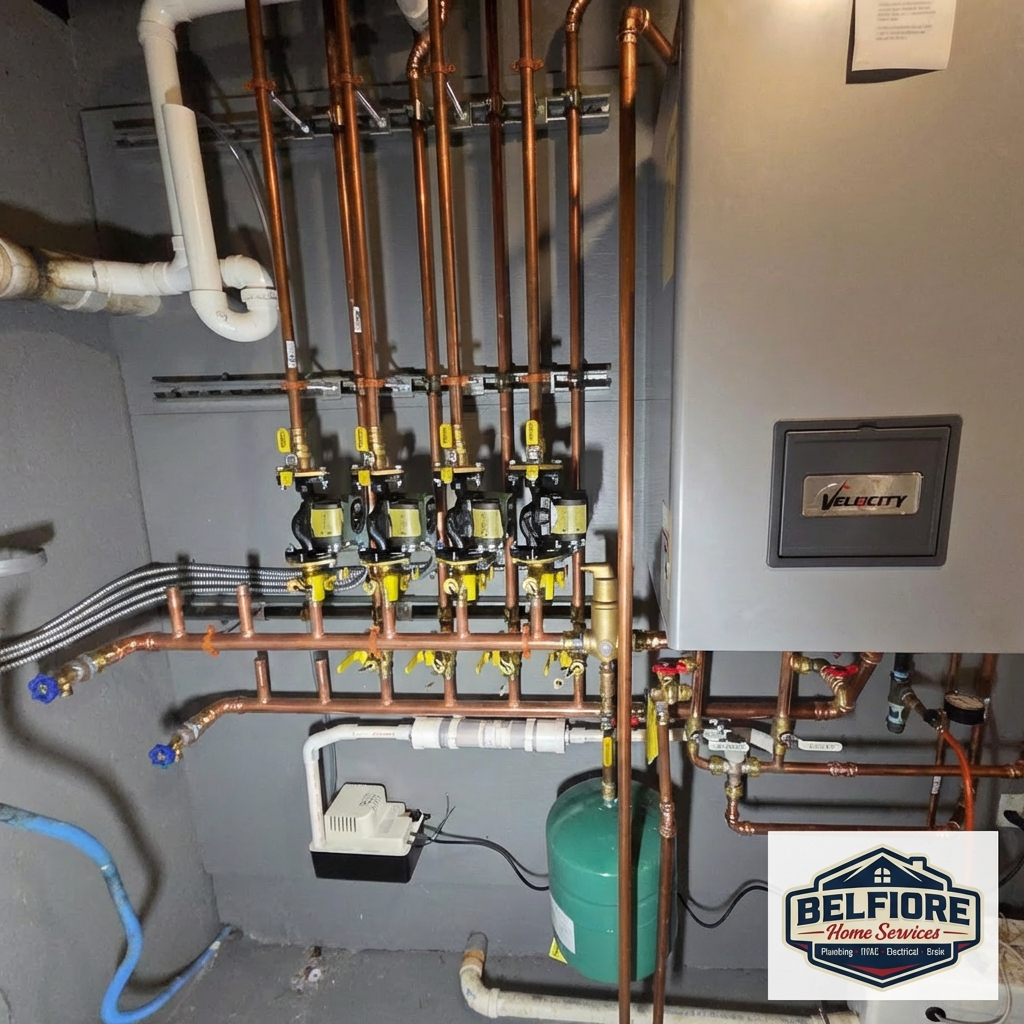
Chris and the team install tankless systems for Middleton homeowners who are done rebuilding hot water tanks every eight to ten years, or who just ran out of room in a small mechanical space. A tankless unit mounts on the wall, takes up a fraction of the footprint of a tank, and gives you hot water on demand instead of a stored 40 or 50 gallons that runs out mid-shower. We’ll look at your gas line, your venting situation, and your actual hot water usage before we recommend one over a standard tank replacement.
What Middleton Homes Typically Have
Middleton has a mix of older farmhouse-era homes near the center and newer construction further out toward the Boxford and Topsfield lines. The older homes often still have oil-fired boilers and a separate tank-style water heater, sometimes original to the last renovation. Newer builds are more likely to have gas heat and a tank water heater sized for the house when it was built, which may or may not still match how the house is actually used today.
Gas availability is the deciding factor for tankless in this town. Some streets in Middleton have natural gas, others don’t, and a fair number of homes run on propane or oil. If you’re on natural gas with adequate line pressure, a gas tankless unit is usually the more efficient choice. If you’re on propane, it’s still workable but the tank sizing and regulator setup need to be checked. If you’re all-electric or oil-only with no gas service, we’ll talk through what an electric tankless unit can and can’t do for your household size, because the demand it can meet is lower than a gas unit.
Repair or Replace
Not every failing water heater needs to become a tankless project, and Chris will tell you that straight. If your tank is under six or seven years old and the issue is a bad thermocouple, a failed heating element, or a leaking valve, that’s a repair, not a replacement. We fix those regularly and we’ll say so plainly instead of pushing an upgrade you don’t need.
Where replacement starts making sense is when the tank is past ten years old, you’re seeing rust in the hot water, the tank itself is leaking from the bottom, or you’re constantly running out of hot water with a full house. At that point we’ll walk you through a straight tank-to-tank replacement and a tankless option side by side, with the real venting and gas work each one requires, so you’re picking based on your house and your budget, not on which one pays us more.
What the Work Involves
A tankless install starts with draining and disconnecting the old tank, which we haul out. Gas sizing comes next. Tankless units need a higher BTU input than most standard tanks, often 150,000 to 199,000 BTU depending on the model, so we check whether your existing gas line can supply that or needs to be upsized. Undersized gas piping is one of the most common issues we find in older Middleton homes, especially where a tankless unit is being added to a line that was originally run for a smaller tank and a furnace.
Venting is the other technical piece. Tankless units typically need dedicated stainless steel or PVC venting run through an exterior wall or the roof, which is different from the flue a standard tank uses. We plan the vent path before the install starts so we’re not cutting into finished space you weren’t expecting.
A straight tank replacement is usually done same day, and you’re without hot water for a few hours. A tankless install with new gas piping and venting typically runs a full day, sometimes into a second if the gas line needs significant rework or the vent run is long.
What It Costs
Tankless units cost more upfront than a standard tank, and the gas and venting work adds to that if your house needs it. {PRICE} We’ll give you a firm number after we’ve actually looked at your gas line, your vent path, and the unit size your household needs, not a phone estimate based on guesswork.
How Long It Takes
Most tankless installations in Middleton take one full day from start to finish, including draining the old tank, running new venting, and testing the unit under load. If the gas line needs to be upsized or run a longer distance, we’ll tell you that up front during the estimate, not halfway through the job.
Common Questions
Does my Middleton home need natural gas for a tankless water heater?
Not necessarily. A gas tankless unit performs best with natural gas or properly sized propane, but electric tankless units are available for homes without gas service. The tradeoff is that electric units generally can't match the output of a gas unit for larger households.
Will a tankless water heater work with my well water?
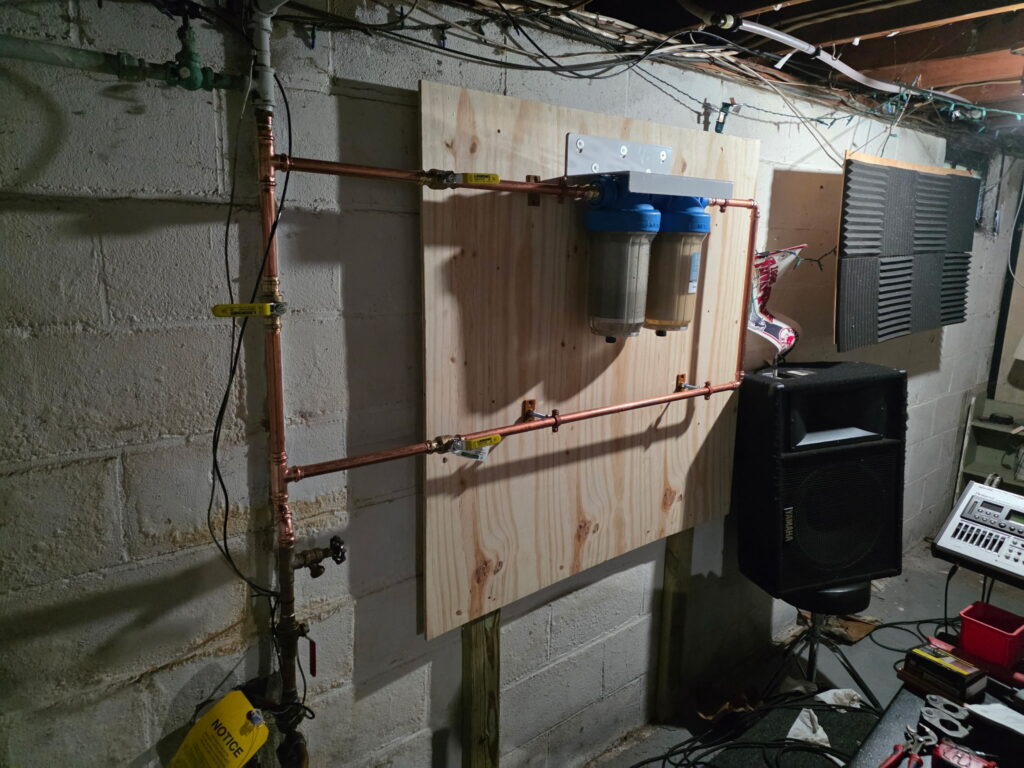
Yes, but well water often carries more sediment and mineral content than town water, and that affects the heat exchanger inside a tankless unit over time. We usually recommend a sediment filter or water softener ahead of the unit for well-water homes to protect it.
How much bigger does my gas line need to be for tankless?
It depends on the unit and what else is running off the same line. Tankless heaters typically need 150,000 to 199,000 BTU, which is more than most standard tank water heaters draw. We check your existing line size and total gas load before recommending an upsize.
Can you just repair my current water heater instead?
Often, yes. If the tank itself is sound and the issue is a part failure, a repair is usually the faster and more sensible option. We'll tell you honestly when that's the case instead of steering you toward a full replacement.
How long will my house be without hot water during the install?
Reach Out for Tankless Water Heater Installation
If your water heater is on its last leg or you’re planning a basement finish or an addition that needs more hot water, call Belfiore at {PHONE}. We work across Middleton and the rest of the North Shore, and we’ll give you a straight answer on repair versus replacement before we talk about anything else.
Contact information
Talk to Chris
Chris runs the plumbing side of Belfiore and handles these estimates directly. He’ll look at what you actually have, not what’s easiest to sell, and tell you if a tank is still the right call for your house. If it’s not, he’ll walk you through gas sizing and venting before any work starts, so there are no surprises on install day.