Generator Installation and Connection in Rowley, MA
Generator Installation and Connection in Rowley
A lot of Rowley homes were built long before anyone worried about running a well pump, a septic alarm, and a refrigerator off the same 100 amp panel. Add a heat pump or an electric water heater to that mix, and a service that was fine in 1975 starts to feel thin the first time a nor’easter takes the lines down for three days. Generator installation in Rowley is less about convenience than it is about keeping a well and septic system running when National Grid is slow to get out this far.
Why Rowley Homes Need This
Rowley sits far enough off the main utility corridors that outages here tend to run longer than they do closer to Route 128. When a storm knocks out power on the coast, crews work the denser areas first. A rural or semi-rural property waiting on a line repair can be dark for two, three, sometimes four days.
That matters more here because so many homes are on well water and septic. No power means no well pump, no water pressure, and in some cases no working septic alarm or pump station. It is not just the lights. It is the whole house.
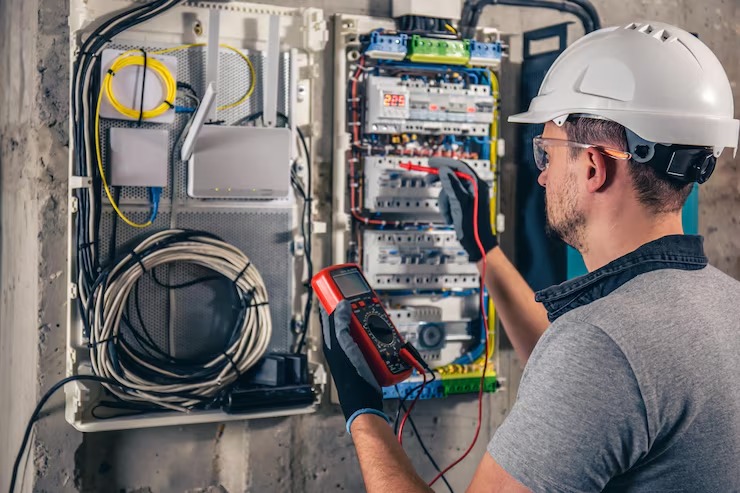
Rowley’s housing stock adds another layer. A good number of these homes are old enough to still have cloth-insulated wiring somewhere in the walls, a 60 amp or 100 amp service that was never upgraded, or an older panel brand like Federal Pacific or Zinsco that we flag the moment we see it. Any generator tie-in on a house like this starts with a real look at the panel and the service size, not just a transfer switch bolted on and called done.
What the Work Involves
Brandon walks the property first. Where the generator sits matters for noise, for setback from windows and property lines, and for gas or propane line routing if you are going with a standby unit instead of a portable. Manufacturer clearance specs matter here too. [EXTERNAL LINK: manufacturer installation clearance specifications, for correct generator placement relative to windows, doors, and combustible surfaces]
For a standby generator, the work includes a concrete or composite pad, the generator itself, a transfer switch installed next to your main panel, and in most cases new circuit wiring to tie the switch in correctly. If your existing panel is undersized, outdated, or one of the older brands we do not trust long-term, that conversation happens before we touch anything, because a generator hookup on a bad panel just moves the risk instead of fixing it.
The utility has its own piece of this. National Grid or the applicable utility needs to review and, in some cases, approve the interconnection before final sign-off, particularly for a whole-home standby unit that can back-feed. That is normal and it is not something we skip. Power to the house is off for the actual connection work, typically for a few hours, not multiple days.
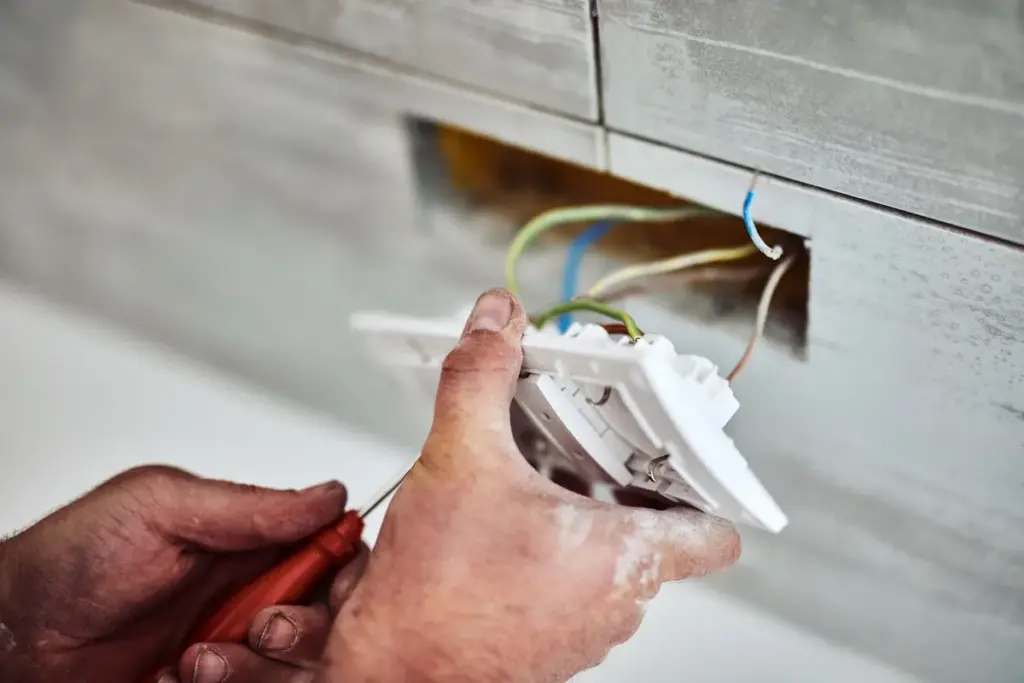
Portable generator setups are simpler. That usually means a manual transfer switch and a properly sized inlet box so you are not running extension cords through a window during a storm, which is still one of the more common ways people get hurt.
What It Costs
A manual transfer switch setup for a portable generator generally runs {PRICE_LOW} to {PRICE_HIGH}, depending on panel access and how far the inlet box has to be run from the panel.
A full standby generator installation, including the transfer switch, wiring, and coordination with your gas or propane supplier, costs more and the range widens based on the generator size, the length of gas line run, and whether your existing panel needs upgrading before the tie-in can happen. We give you a firm number after Brandon sees the panel and the site, not a phone estimate.
How Long It Takes
A manual transfer switch install for a portable unit is usually a single day. A standby generator with a pad, gas line, and full transfer switch wiring typically takes one to two days of on-site work, plus the time it takes to schedule the town inspection and, where required, the utility’s review. Weather and permit turnaround are the two things most likely to add a few days to that window, especially in storm season when everyone on the North Shore is trying to book the same work.
Permits and Inspection
Generator installation in Massachusetts requires an electrical permit, and standby units with gas or propane connections usually need a plumbing or gas permit too. Both get pulled by the licensed contractor doing the work, not by the homeowner, and the job gets inspected by the town before it is considered done. This is also where the utility’s own interconnection paperwork comes in for whole-home units.
This is the difference between hiring a licensed electrician and hiring someone with a truck and a generator on sale. An unpermitted transfer switch can put utility line workers at risk if it back-feeds the grid during a repair, and it will absolutely come up if you ever sell the house and a home inspector finds it. Brandon pulls the permit, does the work to code, and gets it signed off. [EXTERNAL LINK: Massachusetts electrical code (527 CMR) reference, for homeowners who want to see the actual permitting and inspection requirements]
Common Questions
Do I need a permit for a generator in Rowley?
Yes. Massachusetts requires an electrical permit for any generator transfer switch installation, and standby units with a gas or propane hookup also need a gas or plumbing permit. The town inspects the finished work before it is signed off.
Can my existing electrical panel handle a generator?
It depends on the panel's age, brand, and amperage. Many Rowley homes still have 60 or 100 amp services, or older panel brands like Federal Pacific or Zinsco that we recommend replacing rather than tying a generator into. Brandon checks this before quoting the job.
What size generator do I actually need?
That depends on what you want to keep running. A well pump, septic pump station, refrigerator, and some lighting can often run on a mid-size portable or a smaller standby unit. Running the whole house, including a heat pump or central air, calls for a larger standby generator sized to your electrical load.
How long is the power off during installation?
For the actual transfer switch connection, power to the house is typically off for a few hours, not days. The utility may also need to review the interconnection for standby units before final approval.
Is a portable generator setup cheaper than a standby unit?
Generally yes. A manual transfer switch for a portable generator costs less than a full standby system with a gas line and automatic transfer switch, but it also means you have to be home to start it and refuel it during an outage.
Reach Out for Generator Installation
If you have been through one too many multi-day outages out here, it is worth having someone look at what your house can actually support. Call {PHONE} to set up a time for Brandon to walk the property and give you a straight answer on what a portable or standby setup would take on your panel.
Contact information
Talk to Brandon
Brandon is the licensed electrician at Belfiore Home Services. He looks at the panel, the service size, and the gas or propane situation before quoting anything, because on a lot of Rowley’s older homes the generator is the easy part and the panel is the real conversation. Call {PHONE} and tell him what you are trying to cover: the well pump, the whole house, or just the essentials during a long outage.