
Tankless Water Heater Installation in Ipswich, MA
A lot of Ipswich homes are still running a 40 or 50 gallon tank that was sized for a smaller family, or a household on well water where iron and sediment have already started eating at the tank lining. Between First Period houses near the historic district and newer construction out toward the Route 1 corridor, the water heater question in this town depends a lot on what’s already in the basement and what the gas supply looks like on your particular street.
Tankless Water Heater Installation in Ipswich
Chris handles the plumbing side of every tankless job we run in Ipswich, from the first look at your existing setup through the final gas pressure test. A tankless unit isn’t a drop-in swap for a tank. It changes how gas is delivered to the appliance, how it vents, and in some cases how your home’s water pressure behaves at multiple fixtures running at once. We walk through all of that with you before anything gets ordered.
Ipswich has enough variation in housing stock and utility access that we don’t quote this job over the phone. We look at your gas meter, your venting path, and your water quality, then tell you what unit size actually fits the house.
What Ipswich Homes Typically Have
Ipswich has one of the largest concentrations of First Period and colonial-era homes on the North Shore, and that shows up in the mechanicals. It’s common to find an oil-fired boiler paired with an indirect or standalone electric water heater, especially on properties that predate natural gas service reaching the street. Other neighborhoods, particularly newer subdivisions and infill construction, do have gas available and are better candidates for a gas-fired tankless unit without a fuel conversion.
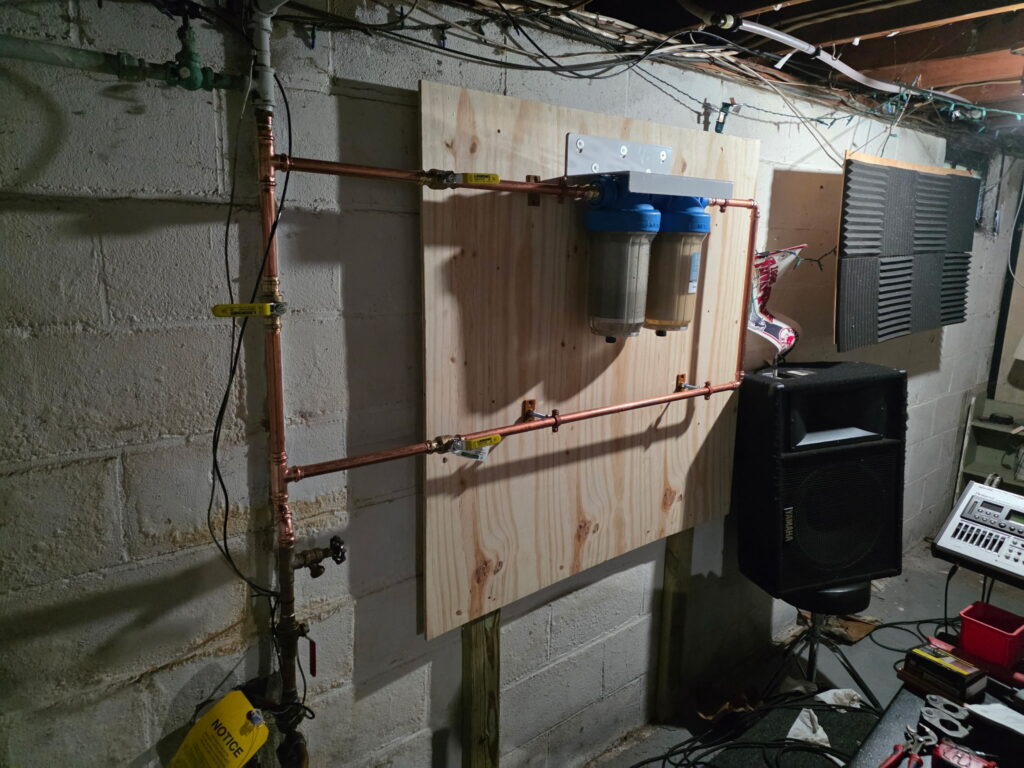
Well water is genuinely common here, not just in the outlying areas but on plenty of in-town lots too. If you’re on a well, sediment and hardness are real considerations for a tankless unit’s heat exchanger, and we’ll talk filtration as a functional need, not an add-on sale. Homes on town water avoid that conversation, but Ipswich’s older cast iron and galvanized supply lines can still limit flow rate, which matters when you’re sizing a tankless unit to handle two showers and a dishwasher running together.
What the Work Involves
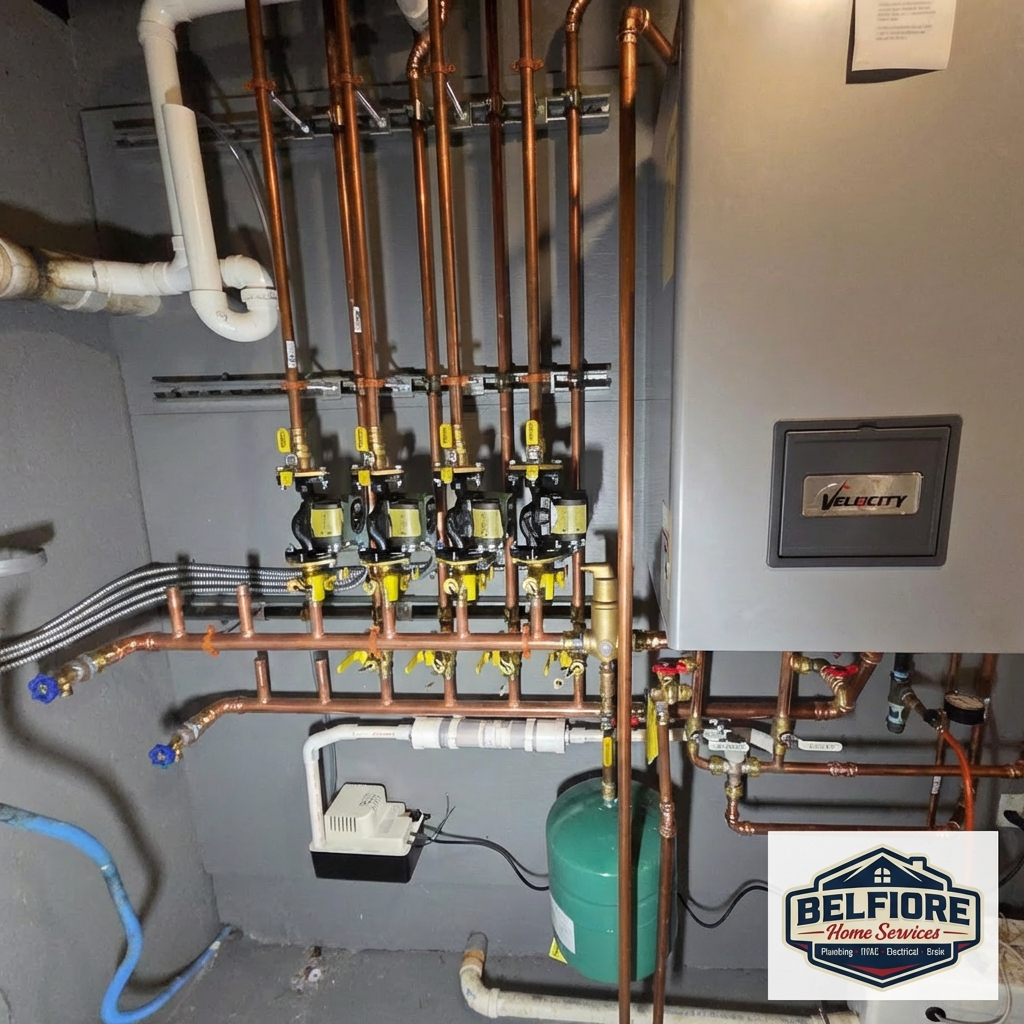
A gas tankless installation starts with draining and disconnecting the existing tank, then confirming your gas line can actually support the new unit’s BTU draw. Most residential tankless units call for a 3/4 inch gas line minimum, and a lot of older Ipswich homes were piped with 1/2 inch line sized for a furnace or a tank heater with much lower demand. If the line is undersized, we upsize it back to the meter or add a dedicated run, which is its own separate cost to factor in early rather than discover halfway through.
Venting is the other technical piece. Tankless units are typically Category III or Category IV appliances and need stainless steel venting, not the standard B-vent a lot of old tank heaters used. That often means a new vent path through the wall or roof, sized to the manufacturer’s spec for the run length and number of elbows. We plan that route before we ever cut into anything.
On installation day, expect the house to be without hot water for the stretch of the swap, plus the venting and gas work around it. We test gas pressure at the unit, check for leaks at every joint, and run the system through a full heating cycle before we call it done.
Repair or Replace
Not every water heater problem means you need a new unit. If your existing tank is under ten years old and the issue is a bad thermocouple, a failed heating element, or a leaking valve, that’s usually a repair, and Chris will tell you that on the first visit. Tankless conversions make the most financial sense when your current tank is old, undersized for the household, or already showing corrosion, or when you’re renovating anyway and the gas and venting work is already exposed.
We’ve turned down tankless upsells on plenty of Ipswich calls where a straightforward tank replacement or a component repair solved the actual problem. If the numbers don’t make sense for your situation, we’ll say so.
What It Costs
Tankless installation costs in Ipswich depend heavily on three things: whether the gas line needs upsizing, whether new venting has to be run through finished walls or ceilings, and the BTU rating of the unit itself. A straightforward swap where the gas and vent already meet code costs less than a job requiring a new gas run and a fresh vent penetration. We give you a firm number after the on-site look, not a phone estimate, because those variables change the job significantly. Expect the range: {PRICE_RANGE}.
How Long It Takes
A tankless installation with no gas line or venting changes typically runs a single day. Add gas line upsizing or a new vent path through a wall or roof and you’re usually looking at a second day, mostly because of drying time on any patch work and scheduling the gas pressure test properly. We tell you which scenario you’re in before we start, not after.
Common Questions
Can every Ipswich home get a gas tankless water heater?
Only if gas service reaches the property. A number of older and rural Ipswich homes run on oil heat with no gas line at the street, and for those we look at electric tankless options or discuss what a gas conversion would involve.
Do I need a bigger gas meter for a tankless unit?
Sometimes. Tankless units draw more gas at once than a tank heater does. If your meter and line were sized for a furnace and a small tank, we may need the gas utility to upsize the meter before we can finish the install.
Is my well water a problem for a tankless heater?
It can be if you have hard water or sediment. We test for that and recommend filtration only when the water quality actually calls for it, since sediment buildup on the heat exchanger is a real failure point on well systems.
What happens to my old tank water heater?
We drain it, disconnect the gas and water lines, and haul it out as part of the job. You don't need to arrange separate disposal.
Will a tankless unit work with my old galvanized pipes?
Reach Out for Tankless Water Heater Installation
Call {PHONE} to set up a time for Chris to walk your basement or utility closet and give you a real answer on gas sizing, venting, and cost. We work across Ipswich and the rest of the North Shore, and we’re a Salem-based company that shows up when we say we will.
Contact information
Talk to Chris
Chris looks at the gas meter, the venting path, and your water quality before quoting anything. If a tankless unit is the right call for your Ipswich home, he’ll size it properly. If it isn’t, he’ll say so and tell you what will actually fix the problem.