
Electrical Service Upgrades in Peabody, MA
A lot of Peabody’s housing stock went up between the two World Wars, built for a 60 amp fuse box and a stove, an icebox, and a few lights. Now those same houses are running central air, an electric range, a hot tub or an EV charger off a service that was never sized for any of it. When the panel is maxed out, the fix isn’t another breaker. It’s upgrading the whole service, from the utility drop down to the meter and the panel.
Why Peabody Homes Need This
Peabody has a deep vein of pre-1940 construction, plus a good number of two and three family conversions where a single 100 amp service now feeds two or three units worth of appliances, HVAC and electronics. We still find cloth-insulated wiring and knob and tube in the walls of homes that have otherwise been renovated top to bottom. The wiring got skipped because it’s hidden and it still works, right up until it doesn’t.
We also run into Federal Pacific Stab-Lok and Zinsco panels around town on a regular basis. Both were installed by the thousands from the 1950s through the 1970s, and both have documented histories of breakers that fail to trip under fault conditions. That’s not a capacity problem, it’s a safety problem, and it usually gets discovered during a service upgrade once the panel is opened up. If your Peabody home still has a 60 amp service and knob and tube behind the plaster, an insurance company or a buyer’s inspector is eventually going to flag it. Better to deal with it on your own schedule than theirs.
What the Work Involves
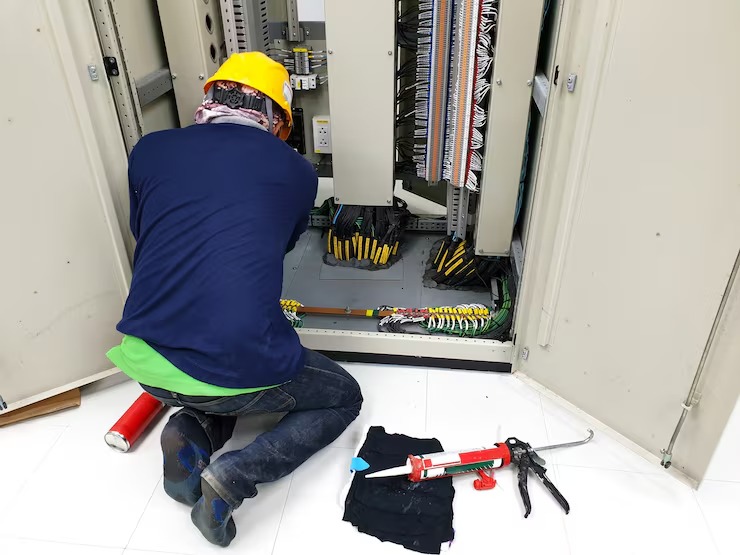
A service upgrade touches everything between the utility pole and your breaker panel. Brandon starts by sizing the new service, usually a jump from 60 or 100 amps to 200 amps, based on what the house actually runs or plans to run: central air, an electric water heater, a range, an EV charger, maybe a heat pump down the road. That load calculation follows the National Electrical Code, not a guess.
On the house side, that means a new weatherhead or mast, new service entrance cable rated for the higher amperage, a new meter socket, and a new main panel with enough breaker spaces for the circuits you have now and the ones you’ll want later. On National Grid’s side, they own the drop from the pole to your mast and they have to disconnect and reconnect service, plus swap or reprogram the meter. Brandon coordinates that scheduling directly. The power is out for the day of the swap, typically a matter of hours once National Grid pulls the meter, not the whole job.
Every circuit gets landed fresh in the new panel and labeled. If there’s knob and tube or cloth wiring feeding circuits that will stay live off the new panel, that’s the point to flag it and talk about what needs to be replaced now versus what can wait.
What It Costs
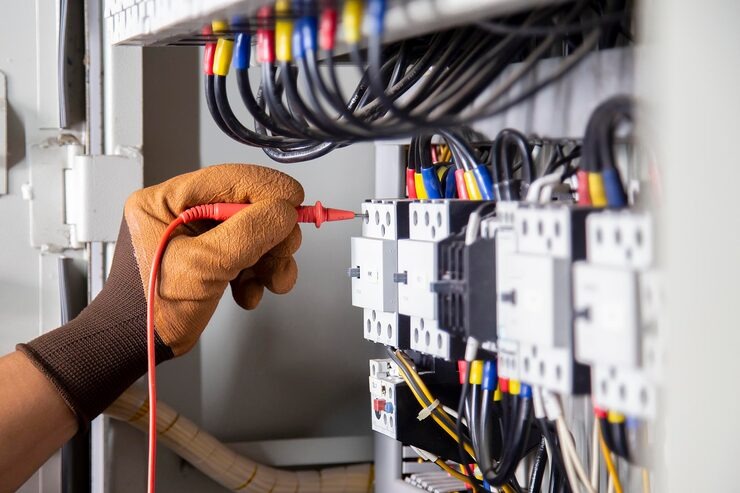
A straightforward 100 to 200 amp service upgrade in Peabody typically runs {PRICE_LOW} to {PRICE_HIGH}. Where you land in that range depends on a few things: how far the new mast and cable have to run, whether the meter location is moving, how many circuits are getting relocated into the new panel, and whether National Grid needs to upgrade the transformer or drop wire on their end before they’ll connect the higher service. Older two and three family setups with multiple meters usually run toward the higher end because there’s more to coordinate. Brandon quotes it after seeing the panel and the service entrance in person, not off a phone description.
How Long It Takes
Most single-family service upgrades in Peabody are a one-day job for the physical work: mast, meter socket, panel, and circuit landing. The actual power interruption is shorter than that, usually a few hours while National Grid disconnects and reconnects. What adds time is scheduling around the utility and the town inspection, since the new service can’t be energized until it’s inspected and approved. Plan on the job itself taking a day, with the permit and utility coordination adding lead time on either side.
Permits and Inspection
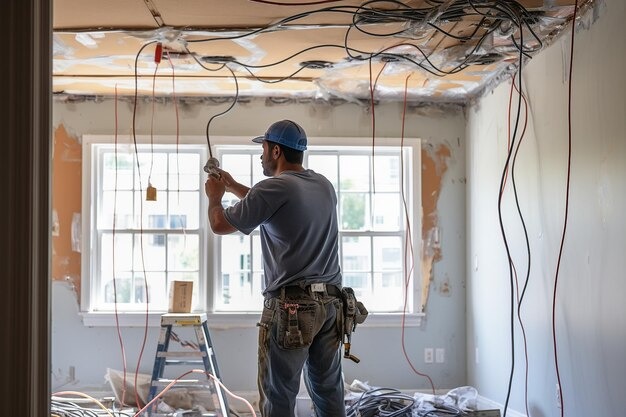
Service upgrades are permitted work in Massachusetts, full stop. Brandon pulls the electrical permit with the City of Peabody before the job starts, and the finished work gets inspected by the local wiring inspector before National Grid will energize the new service. That inspection is what confirms the mast, grounding, bonding and panel wiring meet current code, not just that the lights turn on. It’s also the step that separates a licensed electrician from someone working off the books, since unpermitted service work won’t show up on record if you ever sell the house or file an insurance claim. Massachusetts electrical code and permitting requirements are public record through the state’s Board of State Examiners of Electricians. [EXTERNAL LINK: Massachusetts Board of State Examiners of Electricians – state licensing and code reference]
Common Questions
How do I know if my Peabody home needs a service upgrade instead of just a new panel?
If the service itself is 60 or 100 amps and you're adding major loads like central air, an EV charger, or an electric range, the limit is at the utility drop and meter, not just the panel. Swapping the panel alone won't fix an undersized service. Brandon can tell from the meter and mast whether the whole service needs to change or just the panel inside.
Will I be without power during the upgrade?
Yes, but usually only for a few hours on the day National Grid disconnects and reconnects service at the meter. The rest of the work, running new cable and setting the panel, can happen before that window.
Do I need a permit for a service upgrade in Peabody?
Yes. It's an electrical permit through the City of Peabody, and the finished work has to pass inspection before National Grid will energize the new service. This isn't optional work-around territory, it's required.
What panel brands should I be concerned about?
Federal Pacific Stab-Lok and Zinsco panels are both common in older North Shore homes and both have a documented history of breakers not tripping properly under fault conditions. If you have either one, it's worth having it looked at even if you're not planning a full service upgrade yet.
Does Belfiore handle the National Grid side of the upgrade?
Brandon coordinates directly with National Grid for the disconnect, reconnect, and any meter changes. You don't have to be the one calling the utility back and forth.
Reach Out for Electrical Service Upgrades
If your Peabody home is still running on an old fuse box or an undersized 100 amp service, or you’re adding a heat pump or EV charger and your panel can’t take the load, call {PHONE}. Brandon will walk through what your house needs, what National Grid’s part of it looks like, and what the upgrade will run before any work starts.
Contact information
Talk to Brandon
Brandon is the licensed electrician at Belfiore. He left union work to run the electrical side of the family business, and service upgrades are a big part of what he does across Peabody and the rest of the North Shore. If you’re not sure whether your panel is a 60, 100, or 200 amp service, or whether that gray panel in your basement is one of the older Federal Pacific units, send a photo and he’ll tell you straight what you’re looking at.