
Electrical Remodeling in Hamilton, MA
A lot of the homes off Bay Road and out toward Asbury Street were built with 60 amp or 100 amp services, back when a house ran a furnace, a fridge, and not much else. Now those same houses are getting a new kitchen with a double oven, a heated bathroom floor, and a generator transfer switch, and the original panel just was not built for it.

Why Hamilton Homes Need This
Hamilton is horse country and large-lot country. Long driveways, wooded lots, a meaningful share of properties on well and septic. When the power goes out here it tends to stay out longer, because you are further down the utility line than someone in a denser neighborhood, and repair crews work the main roads first. That is why generator-ready panels come up on almost every remodel conversation we have in this town.
The other piece is age. A good number of Hamilton’s older farmhouses and estate properties still have cloth-insulated wiring or knob and tube behind the walls, especially in sections that were never touched during a prior renovation. Some still run on 60 amp services with fuses instead of breakers. We also still find Federal Pacific Stab-Lok panels and Zinsco panels in homes that have not been updated since the 1960s or 70s – both are known to fail to trip under fault conditions, and neither is something we will leave in place once we are working in the space anyway.
When you are remodeling a kitchen or finishing a bonus room over a garage, this old wiring becomes the electrician’s problem whether the homeowner planned for it or not. You cannot legally or safely tie a new 20 amp kitchen circuit into a 60 amp fused panel with no room left in it.
What the Work Involves
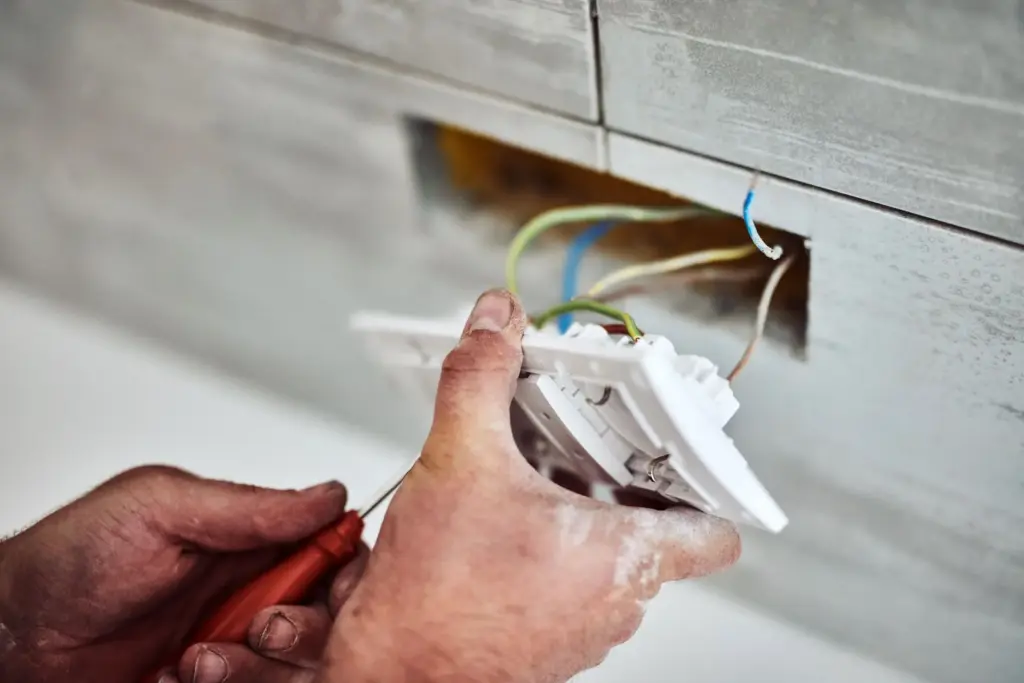
Every remodel job starts with a walk-through of the panel and the circuits that feed the rooms you are changing. On a kitchen remodel, that usually means new dedicated 20 amp circuits for counter receptacles, a dedicated circuit for the microwave, another for the dishwasher, and often a 240-volt line for a range or double oven. Bathrooms need GFCI-protected circuits and, if you are adding a heated floor or a ventilation fan with a heater, a dedicated line for that too.
If the existing panel does not have the capacity or the breaker slots, the job becomes a panel upgrade first – typically moving from 100 amp to 200 amp, sometimes higher if you are adding a generator or an EV charger down the road. That part requires coordination with National Grid: they own the meter and the service drop, and they have to de-energize the line before we can pull the old panel off the wall. Depending on their scheduling, that can mean the property is without power for part of a day.
Once the new panel is set, we run new wire in the correct gauge for each circuit – 12 gauge for standard 20 amp runs, 10 gauge or heavier for high-draw 240-volt appliances – terminate everything to code, and test each circuit before it gets buried behind drywall. Additions and second-floor renovations often need new home runs pulled from the panel through finished space, which is where knowing the house’s age and framing actually matters.
What It Costs
A single-room remodel with a few new dedicated circuits and no panel change generally runs {PRICE_LOW} to {PRICE_HIGH}. A full panel upgrade to 200 amp, or a whole-house rewire on an older farmhouse with knob and tube still in the walls, sits well above that range. What moves the number: how many circuits you need, whether the panel has room or has to be replaced, how much wall and ceiling access we have, and whether we are dealing with plaster and lath instead of drywall. We will walk the space with you and give you a real number before anything gets opened up, not a phone estimate.
How Long It Takes
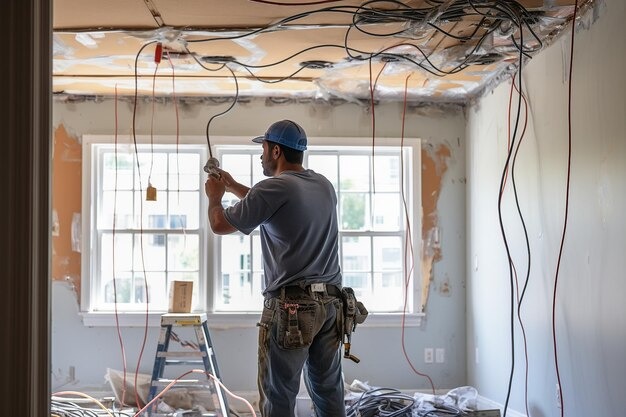
A kitchen or bath remodel’s electrical portion, once the panel has capacity, usually takes one to two days on site. A panel upgrade alone is typically a single day of work plus the utility’s scheduling window for the disconnect and reconnect, which can add a few days depending on National Grid’s queue. A larger rewire tied to an addition or full gut renovation runs alongside the general contractor’s schedule, often spread across the framing and pre-drywall phases rather than done in one block.
Permits and Inspection
Electrical remodeling work in Massachusetts is permitted and inspected, full stop. Brandon pulls the permit with the Hamilton building department before work starts, and the job gets signed off by a local inspector once it is done – rough-in inspection before the walls close up, and a final inspection after. This is not optional paperwork. It is what separates a licensed electrician’s work from what an unlicensed handyman does on the side, and it is what protects you when you go to sell the house and a buyer’s inspector wants proof the work was done right. [EXTERNAL LINK: Massachusetts Electrical Code (527 CMR 12) reference on Mass.gov, for homeowners who want to see the actual code requirements]
Common Questions
Do I need a permit for electrical work during a kitchen remodel in Hamilton?
Yes. Any new circuit, panel change, or rewiring needs a permit through the Hamilton building department and gets inspected, both at rough-in and again when the work is finished.
My house still has a 60 amp service. Can I remodel without upgrading it?
Usually not for long. A 60 amp fused service has almost no room for new circuits. Most kitchen or bath remodels on a 60 amp panel end up needing a panel upgrade to 100 or 200 amp as part of the same project.
What panel brands should I be concerned about if I'm renovating an older Hamilton home?
Federal Pacific Stab-Lok and Zinsco panels are the two we flag most often in this area. Both have a documented history of breakers that fail to trip under fault conditions, and we recommend replacing them during any remodel that touches the electrical system.
Should I add a generator transfer switch while the panel is already open?
For most Hamilton properties, yes. With long outages common at the end of rural lines, it is far cheaper to install the transfer switch during a panel upgrade than to open the panel back up for it later.
Does Belfiore handle the coordination with National Grid for a service upgrade?
Brandon handles that coordination directly, including scheduling the utility's disconnect and reconnect around the panel work, so you are not the one on the phone with them.
Reach Out for Electrical Remodeling
If you are planning a kitchen, bath, addition, or full renovation anywhere in Hamilton, call {PHONE} and we will set up a time to look at the panel and the rooms you are changing. We will tell you what it involves, what it will run, and what the permit process looks like before anything gets started.
Contact information
Talk to Brandon
Brandon is the licensed electrician at Belfiore. He is the one who will walk the space with you, tell you what the panel can and cannot handle, and give you a straight answer on whether your remodel needs a panel upgrade or just a few new circuits. No call center, no subcontractor showing up on the day – you talk to the person doing the work.