EV Charger Installation in North Reading, MA
Most of North Reading was built out from the 1950s through the 1980s, on lots big enough to fit a garage and a driveway long enough to actually charge a car in overnight. Those houses came with 100 amp panels that were plenty for a stove, a dryer, and a window AC unit. They were never sized for a Level 2 charger sitting next to a heat pump and a finished basement full of new circuits.
Why North Reading Homes Need This
This is one of the cleanest EV charger markets we work in, and it is because of the housing stock, not because North Reading has more electric cars than anywhere else. Larger suburban lots mean garages and long driveways, which is exactly where a Level 2 charger goes. Post-war and later construction means most homes here have real copper wiring instead of the knob and tube you still find in older North Shore housing, so the wiring itself is usually not the problem.
The panel is. A lot of North Reading homes are still running on the original 100 amp service, sometimes even a 60 amp service on the older end of town. Add an EV charger pulling 40 to 50 amps on its own circuit, plus a heat pump condenser, plus whatever got wired into a finished basement over the years, and that panel is out of headroom. We also still run into a Federal Pacific Stab-Lok panel here and there in houses from the 60s and 70s. If that is what you have, we will tell you straight that it needs to be dealt with before or alongside the charger, because those panels have a documented breaker failure problem and no responsible electrician installs a new high-draw circuit into one and calls it done.
What the Work Involves
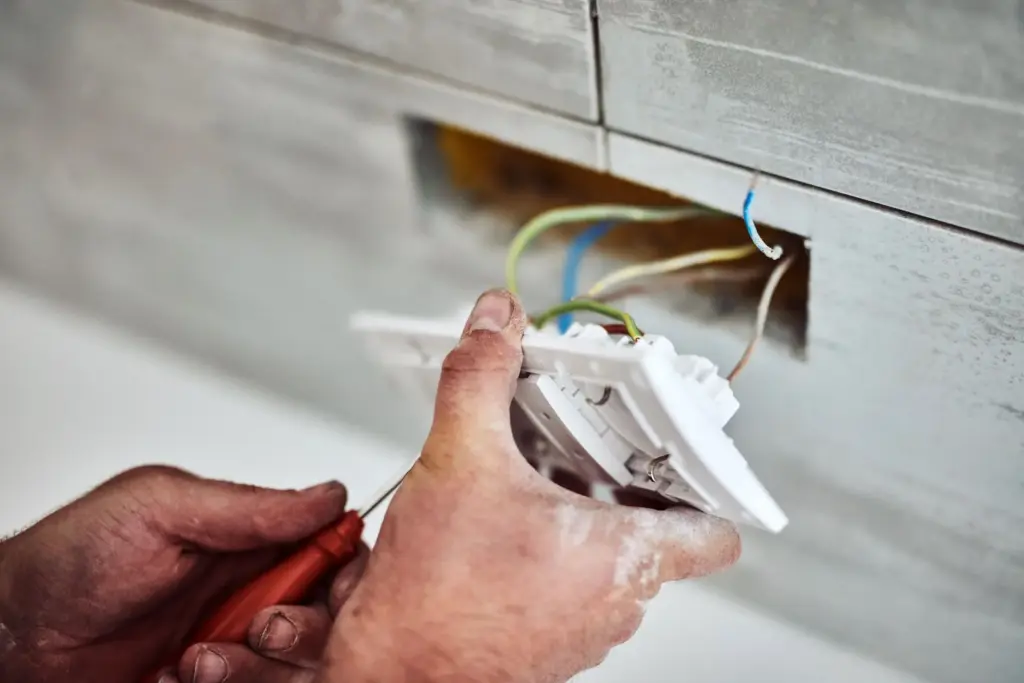
Brandon starts with a load calculation, not a guess. That means going through your panel, listing what is already on it, and figuring out if there is real capacity left for a 40 or 50 amp EV circuit. If there is, the job is a dedicated circuit run from the panel to the garage or driveway, sized and breakered to match the charger, whether that is a NEMA 14-50 outlet for a portable unit or a hardwired connection for something like a Tesla Wall Connector, ChargePoint Home Flex, or Grizzl-E.
If there is not enough capacity, the conversation shifts to a panel upgrade, usually from 100 amp to 200 amp service. That part involves the utility. National Grid or your electric utility owns the meter and the service drop, and they have to coordinate the disconnect and reconnect on their end. Brandon handles everything from the meter socket inward: new panel, new breakers, new grounding, and the dedicated circuit itself. Power to the house is out for a few hours during the panel swap, not a few days, and we schedule it so you know exactly when that window is.
What It Costs
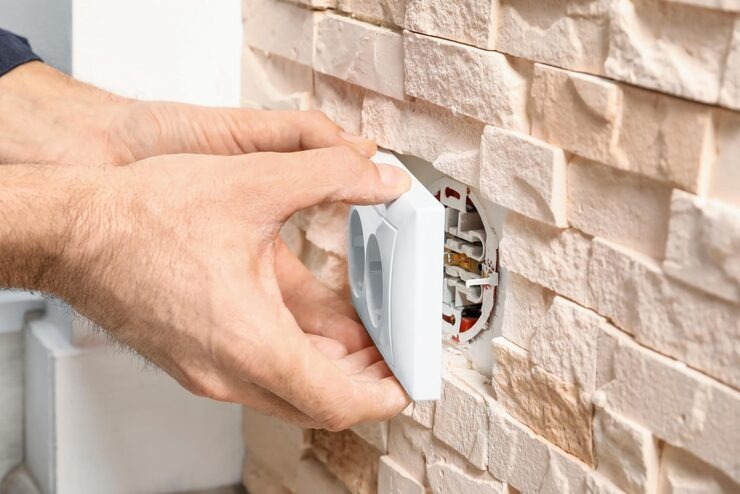
A straightforward dedicated circuit for an EV charger, when your existing panel has room, runs {PRICE_LOW} to {PRICE_HIGH}. That range moves based on how far the circuit has to run from the panel to the garage or driveway, whether we are hardwiring the charger or installing an outlet, and whether the run is through finished space that needs patching afterward.
If a panel upgrade is part of the job, that is a separate cost on top, and Brandon will walk you through it before any work starts. Nobody in this shop hands you a number over the phone without seeing the panel first. Every quote reflects what your house actually needs, not a flat rate that ignores what is behind the panel cover.
How Long It Takes
A dedicated circuit install, with adequate existing capacity, is usually a one-day job from start to finish. A panel upgrade adds time, generally another full day, plus the lead time to schedule the utility disconnect. We tell you both numbers up front: the day we expect to be on site, and how long the power will actually be off.
Permits and Inspection
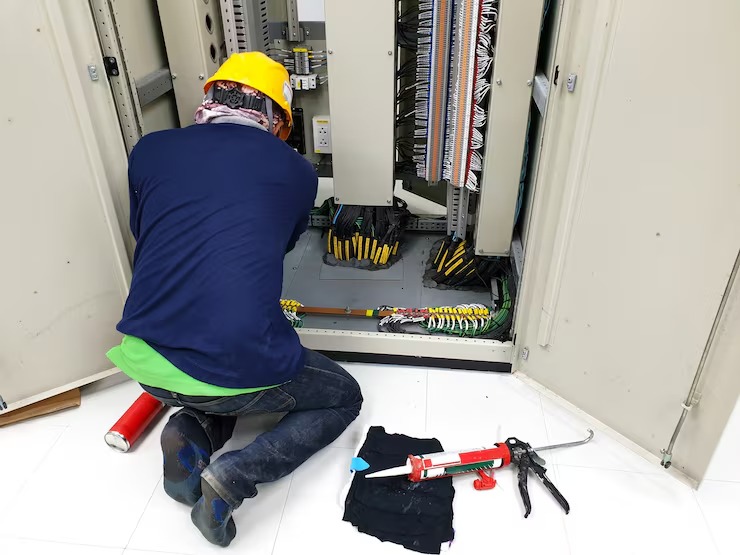
Electrical work in Massachusetts, including EV charger circuits and panel upgrades, requires a permit and a town inspection. That is not paperwork we tack on to run up the bill. It is the law, and it is the difference between a licensed electrician’s work and whatever an unlicensed installer or a general contractor’s guy talks you into. Brandon pulls the permit, the North Reading building department inspects the finished work, and you get a signed-off job on record. If you ever sell the house, that inspection record is what protects you.
Common Questions
Can I install an EV charger on my existing 100 amp panel?
Sometimes. It depends on what else is drawing power in the house. Brandon runs a load calculation to see if there is capacity for a dedicated 40 to 50 amp circuit before recommending anything bigger.
Do I need a permit for an EV charger circuit in North Reading?
Yes. Massachusetts requires a permit and inspection for this work. Brandon handles the permit filing and schedules the town inspection as part of the job.
What is the difference between a NEMA 14-50 outlet and a hardwired charger?
A NEMA 14-50 outlet lets you plug in a portable EV charging cord, which is more flexible if you switch vehicles or charger brands later. A hardwired connection, common for wall-mounted units like a Tesla Wall Connector or ChargePoint Home Flex, is a permanent wired connection with no plug.
How do I know if I have a Federal Pacific panel?
Does the utility need to be involved?
Reach Out for EV Charger Installation
If you are planning a Level 2 charger for a North Reading garage or driveway, call {PHONE} and we will get Brandon out to look at the panel. Bring the charger model you are considering, or the amperage if you already know it, and he can tell you on the spot what the job will take.
Contact information
Talk to Brandon
Brandon is the electrician here. He is the one who will look at your panel, run the load calculation, and tell you plainly whether your existing service can carry an EV charger or whether an upgrade needs to happen first. No sales pitch, no upsell on work you do not need. If the panel has room, he says so.