
Ceiling Fan and Light Fixture Installation in Lynn, MA
A lot of Lynn’s housing stock is triple-deckers and early 1900s two-families, built when a ceiling light meant one bare bulb on a switch loop and nothing else. Those houses are still standing and still occupied, and now the same circuit that ran one bulb is being asked to run a fan, a light kit, and a remote receiver. That is where a lot of our ceiling fan calls in Lynn start.
Why Lynn Homes Need This
Lynn’s older three-deckers and early single-families were mostly wired for a light and not much else. We still find knob and tube behind ceiling boxes on Boston Street and up near the Highlands, cloth-insulated conductors that have gone brittle, and plenty of 60 amp services that were adequate in 1955 and are undersized now. Some of the multifamily stock still has Federal Pacific Stab-Lok or Zinsco panels, both of which are known for breakers that do not trip when they should.
None of that means you cannot get a ceiling fan installed. It means the box, the wire gauge, and the circuit it lands on all need a real look before anything gets hung. A fan with a light kit and a remote can pull enough that a tired, undersized circuit starts nuisance-tripping, or worse, doesn’t trip when it should. Price sensitivity in Lynn is real, and we get it. The honest answer is that fixing it right the first time, with a proper box and the correct wire, costs less over time than a fan that gets rehung twice because the mounting point failed.
What the Work Involves
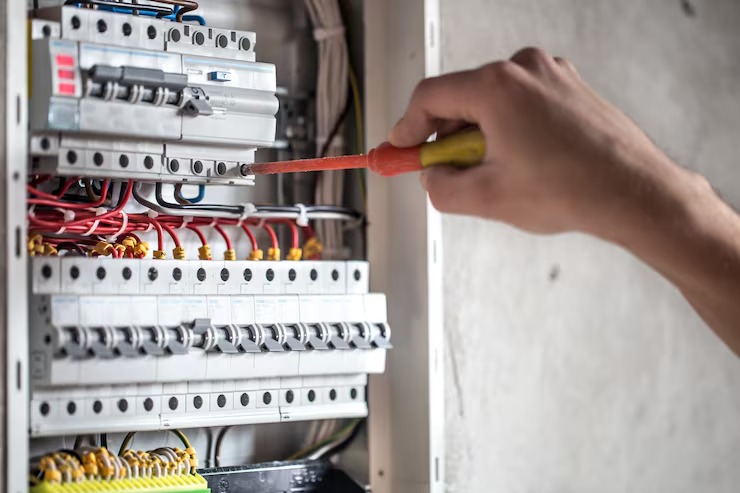
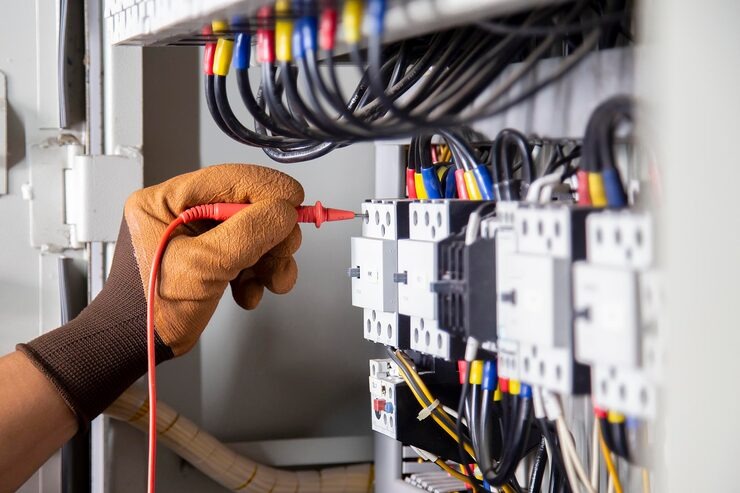
Brandon starts by killing power to the circuit at the panel, not just the wall switch, and verifies it dead with a meter before touching anything. Power to that one circuit is out for the length of the job, usually under two hours for a straightforward swap. The rest of the house stays live.
The existing box gets checked first. A plain light box is rarely rated to hold a fan’s weight and vibration. If it is not fan-rated, it gets swapped for a metal, fan-rated box secured to a joist or braced between joists, which is a code requirement, not an upsell. Wire condition gets checked at the same time. If the run is cloth-insulated or shows heat damage at the splice, that gets addressed before the new fixture goes up, not left for later.
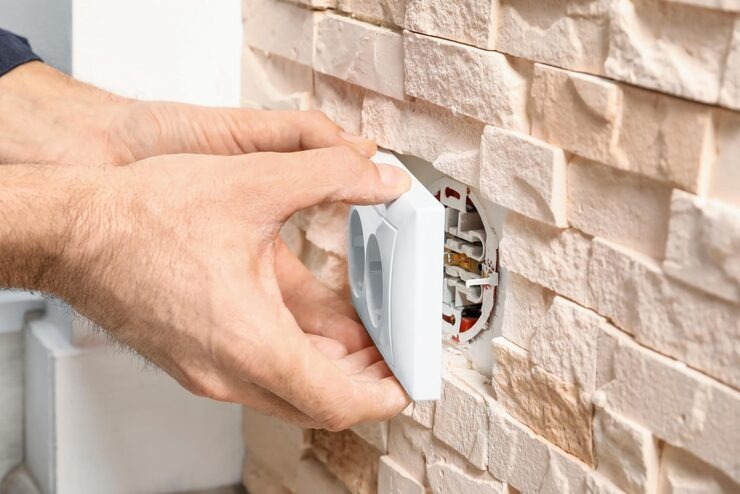
From there it is mounting the bracket, hanging the fan or fixture, making up the wire connections, setting the switch or remote receiver, and balancing the blades. If you are adding a wall control or smart switch in place of a pull chain, that gets wired and tested at the same visit. The utility does not get involved in this kind of work at all. National Grid only comes into it on separate, larger jobs like a full service upgrade, not a fixture swap.
What It Costs
A straightforward fan swap on an existing fan-rated box, same location, no wiring changes, runs {PRICE_LOW} to {PRICE_HIGH}. That is the baseline job.
Cost moves up from there for a few specific reasons: a box that needs to be replaced with a fan-rated one, a run of old wiring that needs to be brought up to spec, a new location that requires fishing wire through a finished ceiling, or adding a separate switch leg so the fan and light run independently instead of both flipping on the same switch. Multiple fixtures done in the same visit usually cost less per unit than one call at a time, since the panel is already open and the trip charge is already covered.
We give you the number before we start, not after the ceiling is open.
How Long It Takes
A single fan or fixture swap on a fan-rated box is usually a one to two hour job. Add a new fan-rated box or a fished wire run for a fixture that never had power there before, and plan on closer to half a day. A whole-house pass, replacing five or six old fixtures with fans across a Lynn three-decker, typically fits into a single day for one crew.
Permits and Inspection
New wiring, new circuits, and new boxes for ceiling fans all require a permit and an inspection under Massachusetts electrical code, even inside your own house. A straight fixture swap on existing wiring with no changes to the circuit often does not need one, but the moment we run new wire or add a box, it does. We pull the permit, the inspector signs off, and you have a paper trail showing the work was done by a licensed electrician, not a guy with a van and a business card. [EXTERNAL LINK: Massachusetts electrical code and permit requirements, Mass.gov Board of State Examiners of Electricians]
Common Questions
Can any electrician install a ceiling fan, or does it need to be licensed work?
In Massachusetts, wiring work like adding or replacing a fan-rated box, running new circuits, or adding a switch leg has to be done by a licensed electrician and is subject to permit and inspection. A simple swap onto existing, code-compliant wiring is more forgiving, but if the box or wiring isn't right, doing it yourself can leave you without insurance coverage if something goes wrong later.
My ceiling only has a light, no fan. Can you add one?
Yes. If there's already power at the ceiling, we can usually run a switch leg and install a fan-rated box at the same location without opening much of the ceiling. If you want the fan somewhere new, that means fishing wire, which takes longer but is routine work.
Will the fan and light run on the same switch, or can I control them separately?
Most older Lynn homes have one switch controlling both. We can add a second switch leg so the fan and light operate independently, or wire in a remote or smart control instead, depending on what you want.
I have a Federal Pacific or Zinsco panel. Does that affect this job?
How many ceiling fans can go on one circuit?
Reach Out for Ceiling Fan and Light Fixture Installation
Call {PHONE} to get a fan or fixture installed the right way, on a box built to hold it, with the wiring behind it checked instead of ignored. We work across Lynn and the rest of the North Shore, and we tell you what we find before we start cutting into a ceiling.
Contact information
Reach Out for Ceiling Fan and Light Fixture Installation
Belfiore is a Salem-based company. Electrical work in Lynn gets the same standard we hold everywhere else we work: permitted, inspected, and explained in plain terms before the first breaker gets flipped.
Talk to Brandon
Brandon is the electrician side of this company. He left union work to run electrical for Belfiore alongside his brother Chris, who runs plumbing and heating. If you tell him what you have now, ceiling height, existing box, whether there's a switch loop or just power at the fixture, he can usually tell you over the phone what the job actually involves before he ever sees the house.