
EV Charger Installation in Amesbury, MA
An EV plugged into a standard wall outlet in an Amesbury garage can take well over a day to fully charge, and it’s asking a circuit that was never built for that kind of sustained draw to carry it anyway. A Level 2 charger changes both problems at once — faster charging, on a circuit sized specifically to handle it.
Getting there means starting at the panel, not at the outlet.
Why Amesbury Homes Need This
Amesbury’s garages and driveways weren’t wired with EV charging in mind, especially in the older homes near the downtown mill district, where panels were sized for the era’s lighting and small-appliance loads and have little spare capacity sitting around. A Level 2 charger draws far more continuous current than almost anything else in the house, which means the panel needs either an open, properly rated breaker slot or some rework to free one up.
Homes running a 60-amp or 100-amp service feel this first, since there’s less headroom before the panel is fully loaded. Even a 200-amp panel can run short if it’s already carrying a hot tub, central air, and an electric range, so the question isn’t just whether there’s a physical slot open — it’s whether the panel can carry the added load at all without exceeding what it’s rated for. That’s the calculation that decides whether this is a straightforward circuit run or a job that also needs a panel upgrade.
What the Work Involves
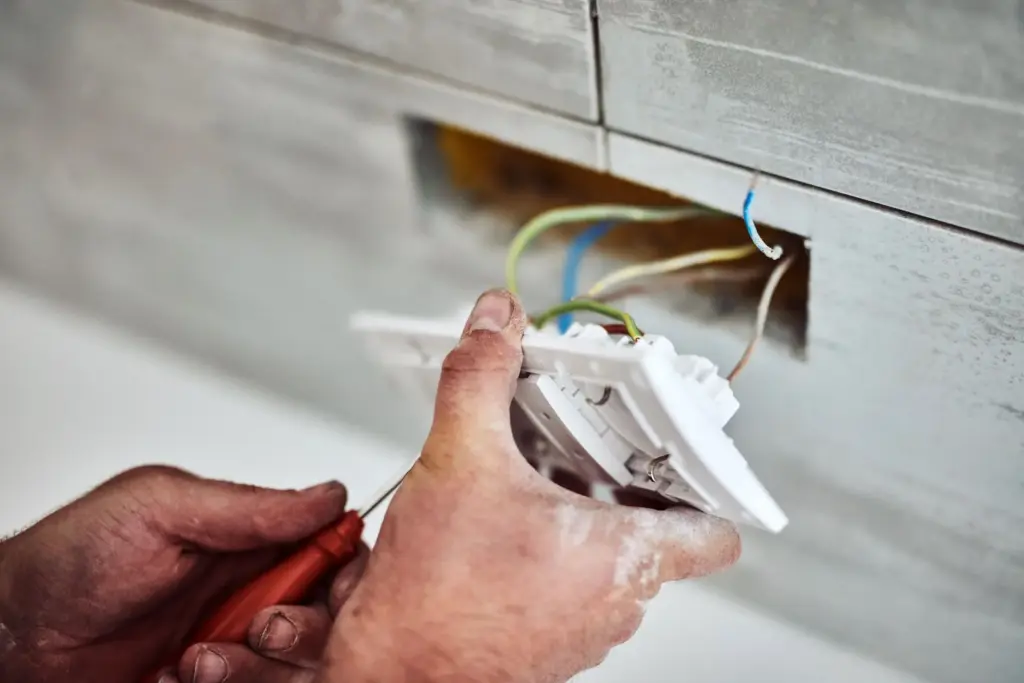
The job starts with a load calculation: what the panel is already carrying, what capacity is left, and what the charger itself draws. That determines wire gauge, breaker size, and whether the existing panel has room or needs it made. Power is shut off at the main panel and confirmed dead with a meter before anything is touched.
From there, a dedicated circuit is run from the panel to the charger location — typically the garage or a driveway-facing exterior wall — using conduit for any outdoor or unfinished-space portion of the run to protect the wire. The circuit terminates at either a hardwired connection or a dedicated outlet, depending on the charger model, and gets its own breaker sized specifically for continuous EV charging loads, which code treats differently from a typical appliance circuit. If the panel doesn’t have the capacity to add the circuit safely, that gets identified and discussed before work starts, rather than discovered partway through.
The rest of the house stays powered throughout; only the main panel is briefly de-energized while the new breaker is installed.
What It Costs
EV charger installation in Amesbury can vary in cost depending on the distance from the electrical panel to the charger location, whether the wiring run is indoors or requires outdoor conduit, whether the existing electrical panel has sufficient capacity, and the type of EV charger being installed. A straightforward garage installation with available electrical capacity may require less work. A longer run to a driveway or an installation that requires a panel upgrade or other electrical modifications may involve additional labor and materials, increasing the overall cost of the project.
How Long It Takes
Permits and Inspection
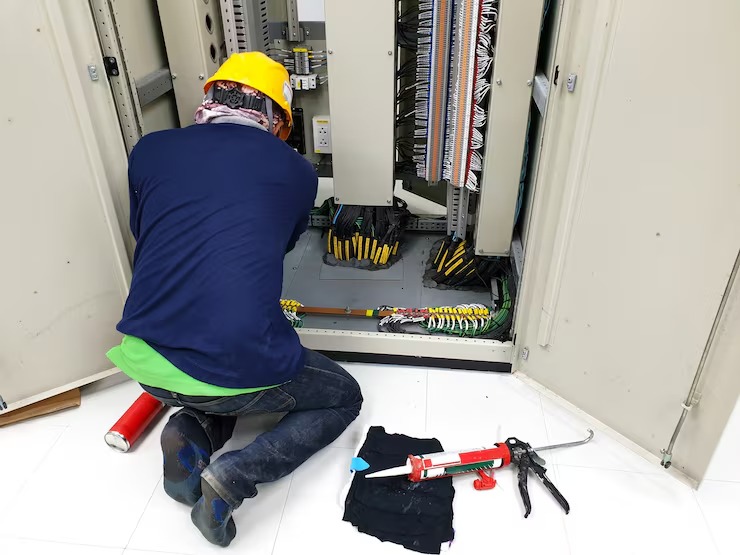
EV charger circuits are permitted and inspected work under Massachusetts electrical code, not something to leave to an unlicensed installer or the charger’s included cable alone. NFPA 70, National Electrical Code, Article 625 covering electric vehicle charging equipment — the specific code section this work is held to. A permit means the load calculation, wire sizing, and breaker rating all get verified by an inspector, which matters because an undersized circuit on a continuous EV charging load is a real overheating risk, not a minor code technicality.
Common Questions
Can I just plug my EV into a regular outlet?
Do I need a panel upgrade to add an EV charger?
Where does the charger get installed?
Talk to Brandon
If you’re thinking about an EV charger and don’t know whether your panel has the room for it, Brandon can run the load calculation and tell you plainly what the job actually involves before anything gets opened up. Call 978-637-5418 to get on the schedule.
Contact information
Reach Out for EV Charger Installation
Call us at 978-637-5418 or contact us for your free quote.