
Bathroom Plumbing Remodeling in Ipswich, MA
Ipswich has more First Period and colonial housing per mile than almost anywhere on the North Shore, and it shows the moment you open a bathroom wall. Galvanized supply lines, cast iron waste stacks, and a water heater that was sized for a family half the size of the one living there now. If you’re planning a bathroom remodel, the plumbing behind the tile is usually where the real decisions get made.
Bathroom Plumbing Remodeling in Ipswich
Chris handles the plumbing side of every remodel we take on in Ipswich, from a half bath swap in a Linebrook Road cape to a full gut renovation in a High Street antique. The tile, the vanity, the fixtures you picked out at the showroom, all of that depends on what’s happening inside the walls and under the floor. We run new supply lines, reroute or replace waste and vent piping, and make sure whatever fixtures you’ve chosen actually have the water pressure and drainage to work the way they’re supposed to.
What Ipswich homes typically have
A lot of Ipswich housing predates modern plumbing codes by two centuries, which means the pipe behind your walls has usually been patched, rerouted, or partially replaced more than once. Heating is a mixed bag here. You’ll find old steam boilers in the historic district homes near the town common, oil-fired hot water boilers out toward Linebrook and Topsfield Road, and a smaller but growing number of gas-fired systems where natural gas has actually reached the street. Gas availability varies block to block in Ipswich, which matters a great deal if a bathroom remodel includes a new gas-fired tankless heater or you’re weighing gas versus electric for a future boiler swap.
Water source is the other split. Homes closer to the center are on town water, but a meaningful share of Ipswich properties, especially out toward the Rowley and Essex lines, are on private wells. If that’s you, filtration and water treatment aren’t optional extras during a remodel. Well water here often carries iron, manganese, or hardness that will stain a new tub or clog an aerator within a year if it isn’t addressed before the finishes go in.
What the work involves
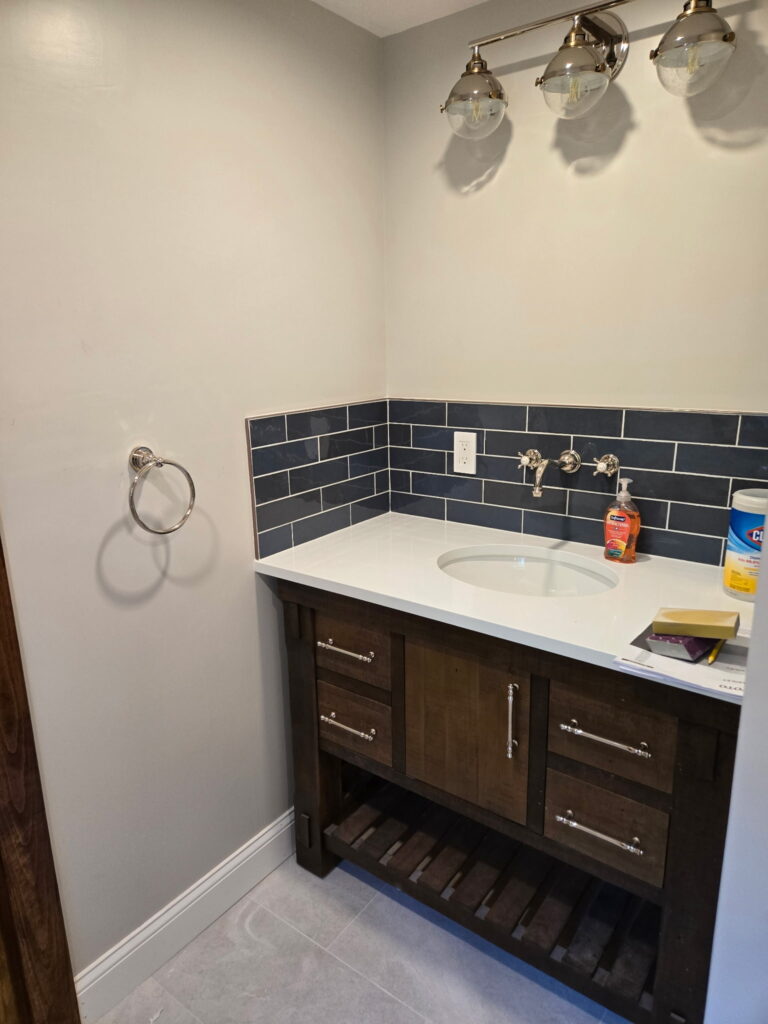
A bathroom remodel touches almost every plumbing system in the house at some point. We drain and isolate the water supply to the affected lines, cap or reroute waste piping depending on where the new fixtures land, and vent every new fixture properly so you don’t end up with slow drains or sewer gas smells down the road. If the layout is moving, meaning a toilet or shower is going to a different spot in the room, that usually means new waste lines under the subfloor and a vent stack tie-in, which is a bigger job than swapping a faucet.
If you’re adding a tankless water heater or upgrading the existing tank as part of the remodel, gas sizing has to be checked against the rest of the house load, not just the new fixture. Undersized gas lines are common in older Ipswich homes that have added appliances over the years without anyone re-running the pipe. Most bathroom remodel plumbing work leaves you without water in that bathroom for the day, and without hot water house-wide for a few hours if we’re touching the water heater or boiler connections. We plan the sequence so the rest of the house stays functional as much as possible.
Repair or replace
Not every old bathroom needs all new pipe. If your supply lines are copper and in decent shape, we’ll often reuse them and just extend or tie into what’s there. If the waste line is cast iron and still draining fine, replacing it just because it’s old is money spent for no real benefit. Where we do push for replacement is galvanized steel supply piping, which corrodes from the inside and restricts flow no matter how good it looks from outside, and any water heater or boiler that’s already showing rust at the base or short-cycling. Chris will tell you straight when something’s worth fixing and when it isn’t. A remodel is expensive enough without paying to replace pipe that has another twenty years in it.
What it costs
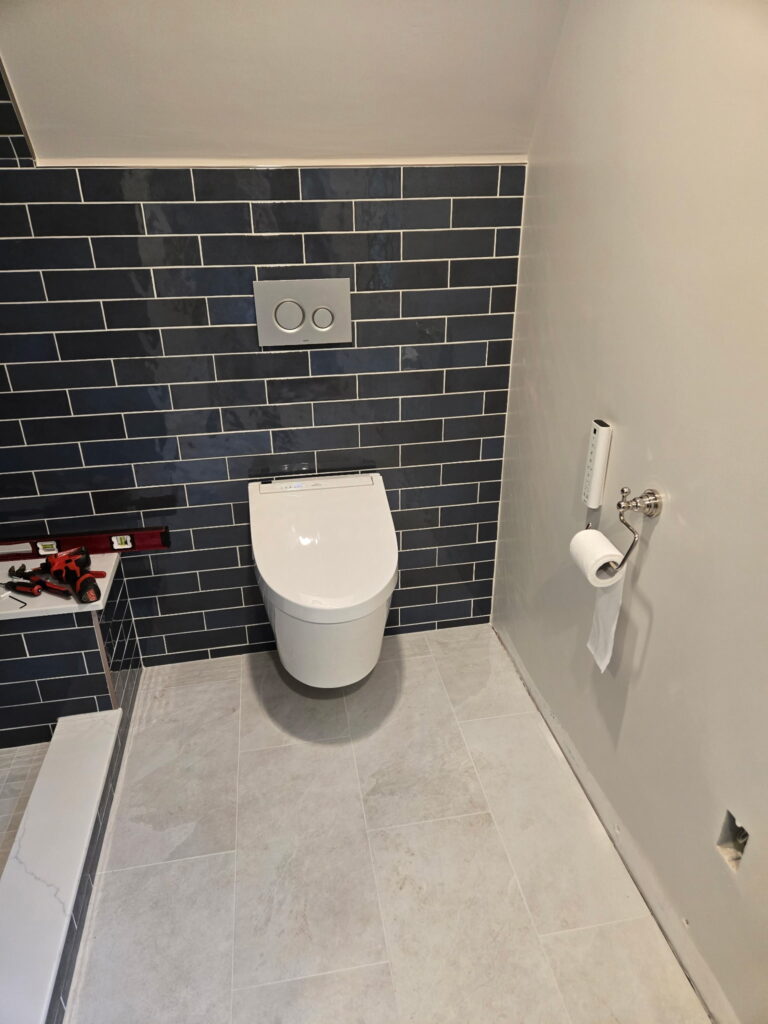
Bathroom plumbing costs depend on how much the layout is changing. A fixture swap in the same footprint, same drain and supply locations, is the least expensive path. Moving a toilet or shower to a new wall means new waste and vent runs, which adds labor and sometimes subfloor work. Add a well filtration upgrade or a water heater replacement into the same project and the number moves again. We’ll walk the space, look at what’s accessible from the basement or crawlspace, and give you a number before we open anything up. Costs are noted here in general terms because every Ipswich house is laid out differently, and {PRICE} is what we’ll confirm on site, not over the phone.
How long it takes
A straightforward fixture-for-fixture bathroom plumbing job usually runs one to two days once we start. Layout changes involving new waste and vent lines add days, especially if we need to open a ceiling below to route pipe. If a water heater or boiler is part of the scope, that portion is typically a single day’s disruption to hot water house-wide, timed so it doesn’t stretch into the rest of the remodel. We give you a realistic timeline up front so your tile setter, painter, and everyone else on the job can plan around it.
Common Questions
Do I need to replace all the old pipe when I remodel my bathroom?
Not always. If copper supply lines and cast iron waste piping are in good condition, we typically reuse them and tie new work into what's there. Galvanized steel supply lines are the exception, since they corrode internally and restrict water flow no matter how they look from the outside.
My Ipswich house is on well water. Does that affect the remodel?
It should. Well water in this area often carries iron, manganese, or hardness minerals that stain fixtures and clog aerators within a year. It's worth addressing filtration before new tile and fixtures go in, not after.
Can I add a tankless water heater during a bathroom remodel?
Yes, but gas line sizing needs to be checked against the whole house's demand first. A lot of older Ipswich homes have added appliances over the years without the gas line being upsized to match, which becomes a problem when you add a tankless unit.
How long will I be without hot water during the remodel?
If we're only touching the bathroom's fixtures, hot water elsewhere in the house usually isn't affected. If the water heater or boiler connections are part of the project, plan on a few hours without hot water house-wide, timed to a single day.
Does Ipswich have natural gas or is it mostly oil heat?
Reach Out for Bathroom Plumbing Remodeling
Planning a bathroom remodel in Ipswich, whether it’s a full gut job in an older home or an update to fixtures and a water heater? Call {PHONE} and we’ll set a time to walk the space and talk through what the plumbing side actually involves.
Contact information
Talk to Chris
Chris looks at every bathroom remodel plumbing job in Ipswich himself before quoting it. He’ll tell you what’s original, what’s been patched over the years, and what actually needs to change to get the bathroom you want. No upsell script, no guessing at what’s behind the wall until we’re in there.