
Water Heater Repair in Swampscott, MA
Swampscott has a lot of older coastal homes, and a lot of them are still running water heaters that were sized for a smaller household or a different era of showers and dishwashers. Add salt air off the water working on anything metal outside, and tight lots that make swapping equipment harder than it should be, and you get a town where a water heater problem is rarely as simple as it looks from the basement stairs.
Water Heater Repair in Swampscott
When your water heater is leaking, short-cycling, or just not keeping up anymore, you want someone to look at the actual unit, not sell you a replacement over the phone. Chris handles the plumbing side of Belfiore Home Services, and he goes out to look at the tank, the venting, and the water quality before he tells you anything. Swampscott jobs often come with a wrinkle, a converted carriage house, a tight mechanical closet, a tank tucked behind decades of other work, and that context changes the right answer more than people expect.
What Swampscott Homes Typically Have
A good share of Swampscott’s housing stock predates the 1950s, which means a mix of old steam boilers, converted hot water systems, and water heaters that got swapped in at some point without much thought to sizing. Natural gas is available on most streets in town, but there are still pockets running on oil, especially closer to the water and on older lanes where the gas main never got extended. That matters directly for repair versus replace, because a gas water heater repair is a different job, and a different cost, than anything involving an oil-fired system.
Most of Swampscott is on town water, but we still see private wells on some of the outlying lots, and well water here tends to run harder and with more sediment than what you get on the municipal side. That sediment is one of the most common reasons a water heater in this town needs repair years before it should.
What the Work Involves
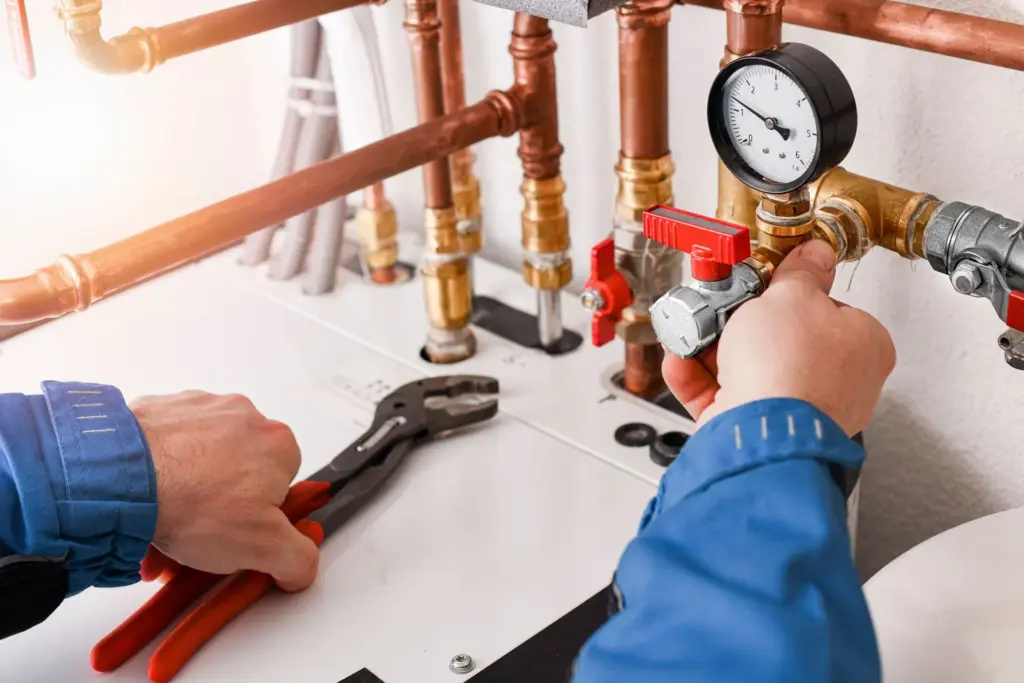
A typical repair call starts with draining the tank, at least partially, to get a real look at the bottom for sediment and rust. From there Chris checks the thermocouple or igniter on gas units, tests the thermostat and elements on electric units, and inspects the venting, whether that is a standard flue or a power-vent setup pushing exhaust out through a wall. If the unit is gas-fired, he confirms the gas line is sized correctly for the BTU input, which older Swampscott homes sometimes get wrong after a swap done without a permit.
Most repairs do not take the whole house offline for long. You are typically without hot water for a few hours during the actual work, not a full day, unless parts need to be ordered for an older or less common unit.
Repair or Replace
Here is the plain version. If your water heater is under eight years old and the problem is a failed thermocouple, a bad heating element, a faulty thermostat, or a stuck pressure relief valve, that is almost always worth fixing. Those are contained failures on a tank that still has years left in it, and Chris will tell you to repair it because that is the honest answer.
If the tank itself is leaking from the body, not a fitting, that is not repairable. Once the steel tank is compromised, no amount of work fixes it, and you are into replacement territory. Age matters too. Past ten to twelve years, especially on Swampscott’s harder well water or in a house with any salt air infiltration into the mechanical space, we start talking honestly about whether another repair is throwing money at a unit near the end of its run. This is the section of the visit where a lot of companies push replacement regardless. Chris does not work that way. If it is fixable and the tank has life left, he says so.
What It Costs
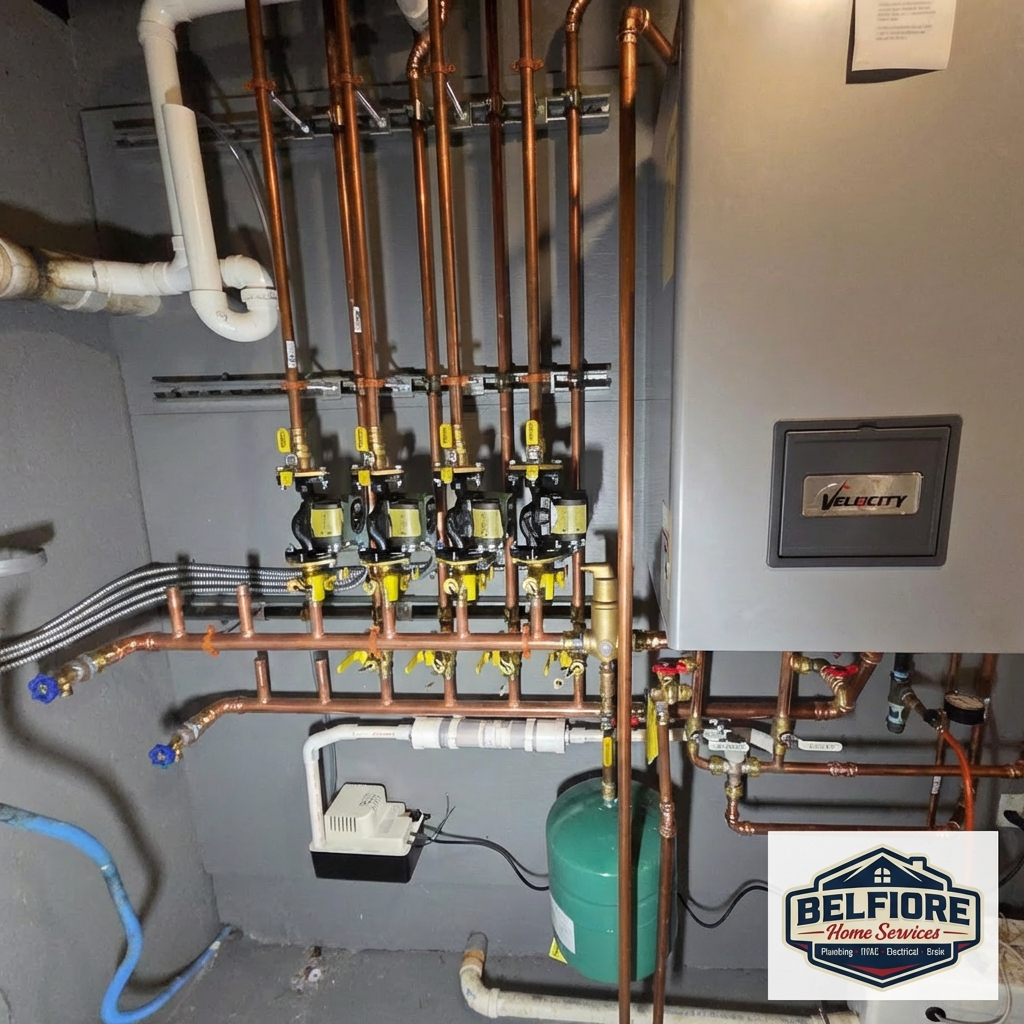
Repair costs vary with what actually failed. A thermocouple or igniter swap is a modest, contained job. A heating element or thermostat replacement on an electric unit is similar. Anything involving gas line resizing or correcting improper venting runs higher because it is more labor and sometimes more material. Chris gives you a real number once he has seen the unit and the access, not a guess over the phone. {PRICE}
How Long It Takes
Most straightforward repairs, thermocouple, igniter, element, thermostat, are same-visit work, usually done within an hour or two once Chris is on site with the right part. If a part needs to be special ordered for an older or unusual unit, that adds a day or two, but you are not left without hot water the whole time in most cases since we can often get a temporary fix in place.
Common Questions
Is it normal for a Swampscott home to still be on oil heat?
Yes. Gas is available on most streets in town, but pockets near the water and on some older lanes never got the gas main extended, so oil-fired systems are still common there. It affects repair options and costs, so it is worth mentioning when you call.
How do I know if my water heater is leaking from the tank or just a fitting?
A fitting leak usually shows as a drip or damp spot right at a connection point, and it is repairable. A tank leak tends to show as water pooling under the unit itself with no obvious source above it. If you are not sure, describe what you are seeing and Chris can tell you what to check before he comes out.
Does well water make water heaters fail faster in Swampscott?
It can. Well water here tends to run harder and carry more sediment than town water, and sediment buildup in the tank is one of the most common reasons a water heater needs repair years earlier than it should.
Will I be without hot water for the whole repair?
Usually not. Most contained repairs, like a thermocouple, igniter, or element swap, take an hour or two once the plumber is on site with the part. Longer waits only happen when a part has to be special ordered for an older or uncommon unit.
Reach Out for Water Heater Repair
Belfiore Home Services is a Salem-based, family-run plumbing and electrical company, and we work across Swampscott and the rest of the North Shore. Chris runs the plumbing side and looks at every water heater job personally before quoting anything. Reach out at {PHONE} to get someone out to look at your unit.
Contact information
Talk to Chris
If your water heater in Swampscott is acting up, leaking, running out of hot water fast, or making noise it did not used to make, call and describe what you are seeing. Chris can often tell you over the phone whether it sounds like a quick fix or something bigger, and he will still come look before anything gets ordered or scheduled. No pressure toward a replacement you do not need. {PHONE}