
Water Heater Repair in Peabody, MA
Peabody has a lot of housing built long before anyone thought about 50-gallon tanks or gas line sizing, and it shows in the water heaters we get called out to. Between older homes on the smaller side and multi-family conversions with two or three units drawing off one system, undersized and aging water heaters are a regular call for us. If you’re on well water anywhere around Peabody, sediment and mineral buildup speed up tank failure too, so filtration isn’t just an add-on out here, it’s part of keeping the heater alive.
Water Heater Repair in Peabody
Chris and the crew handle water heater repair calls all over Peabody, from the older side streets near downtown to the newer construction further out toward the Lynnfield line. Most calls fall into a handful of categories: no hot water at all, water that runs lukewarm and never gets hot, a tank that’s leaking from the bottom, a pilot light that won’t stay lit, or a pressure relief valve that’s dripping. Some of these are quick fixes. Some are a sign the tank itself is done. We look at the actual unit before we tell you which one you’ve got.
What Peabody Homes Typically Have
A good chunk of Peabody’s housing stock dates back to the early-to-mid 1900s, with a mix of single-families and two- and three-family conversions where the plumbing has been added to and rerouted more than once. That means water heaters sized for one household sometimes end up serving three units, and that’s a repair call waiting to happen.
Natural gas is available on most streets in Peabody, but not every block, and not every house is hooked up even where the gas main runs past it. Some homes still run on oil-fired heating with a separate electric or indirect water heater, especially in the older neighborhoods. This matters for repair work: a gas water heater repair is a different job than an electric one, with different venting and gas line considerations, and we check which you actually have before quoting anything.
Town water covers most of Peabody, but there are pockets on well systems, particularly toward the outskirts. Well water runs harder here, and that sediment settles right at the bottom of the tank, which is one of the more common reasons we see early tank failure and reduced hot water output in this area.
Repair or Replace
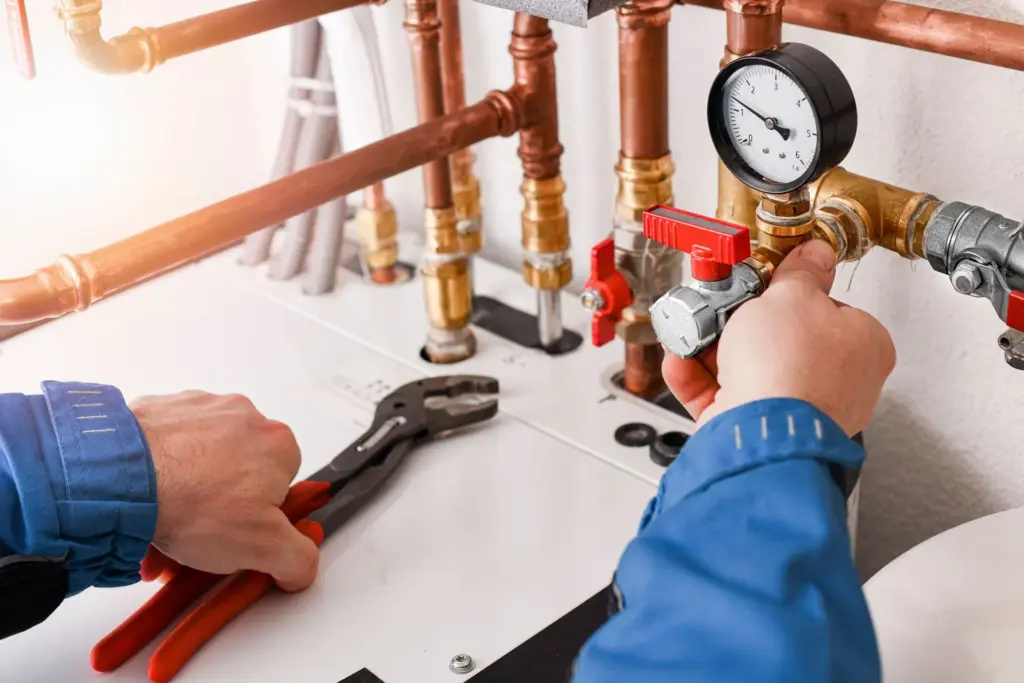
This is the part most companies skip past on their way to selling you a new unit, so we’ll say it straight: a lot of water heater problems are worth fixing. A bad thermocouple, a failed heating element, a faulty gas valve, a broken dip tube, a worn-out pressure relief valve, these are all repairable, usually in one visit, and they don’t mean the tank is on its way out.
Where we tell you to replace instead of repair: the tank itself is leaking (not a fitting, the tank shell), it’s more than 10-12 years old and starting to show multiple issues at once, or the cost of the repair starts creeping close to what a new unit would run. We’ll walk you through what we’re seeing and why, and if it’s a repair job, that’s what we’ll do. Chris doesn’t sell replacements to people who don’t need them.
What the Work Involves
A typical repair call starts with draining down the tank partially or fully depending on what we’re getting into. For a heating element or thermocouple swap on a gas unit, that’s usually a focused job: shut off the gas and water, drain enough to work safely, replace the part, relight and test the recovery time. For electric units, we’re checking the elements, the thermostat, and the breaker and wiring feeding the unit, since a tripped double-pole breaker or a loose wire nut can look exactly like a dead heater.
If the issue is gas supply related, meaning the burner isn’t getting proper flow, we check the gas line sizing and venting before assuming the valve is bad. Undersized gas lines are common in older Peabody two-families where a heater was added without anyone re-checking the BTU demand on the line. Most straightforward repairs leave the house without hot water for a few hours, not days. We test recovery time and temperature before we leave, not just whether it lights.
What It Costs
Repair costs depend on the part and the access. A thermocouple or gas valve swap is a smaller job than replacing heating elements plus a thermostat on an electric unit, and jobs get more involved if the shutoff valves are old and need replacing just to safely isolate the tank, which happens more than you’d think in older Peabody plumbing. We’ll give you a number before we start work, not after. If we get in and find the tank itself is failing, we’ll tell you that before doing a repair that won’t hold.
How Long It Takes
Most water heater repairs in Peabody are same-visit jobs, typically an hour or two of actual work once we’ve diagnosed the problem. Parts like thermocouples, gas valves, and heating elements are common enough that we can usually carry them or get them quickly, so you’re not waiting days for hot water. Anything involving a full re-pipe of the connections or a gas line correction takes longer, and we’ll tell you that up front rather than surprise you halfway through.
Common Questions
How do I know if my water heater needs repair or replacement?
Age and the location of the problem tell you a lot. A tank under 10 years old with an isolated issue like a bad element or thermocouple is almost always worth repairing. A tank leaking from the shell itself, or one over a decade old with multiple problems showing up at once, usually isn't worth sinking more money into.
Why does my water heater run out of hot water so fast in my Peabody two-family?
It's often a sizing issue. A tank sized for one household ends up serving two or three units after a conversion, and it simply can't recover fast enough. Sediment buildup from well water can also reduce usable tank capacity over time.
Is my house on gas or oil, and does it matter for repair?
It matters a lot. Gas water heaters and electric water heaters fail differently and get repaired differently. Not every Peabody street has gas service even where the main runs nearby, so we always confirm what you actually have before diagnosing.
How long will I be without hot water during a repair?
Most straightforward repairs, like a heating element or gas valve swap, take a few hours from start to finish, including draining and testing. We don't leave until we've confirmed proper recovery and temperature.
Do you work on well water systems in Peabody?
Reach Out for Water Heater Repair
If you’re dealing with no hot water, a leaking tank, or a unit that just isn’t keeping up anymore, call Belfiore at {PHONE}. We work across Peabody and the rest of the North Shore, and we’ll tell you honestly whether it’s a repair or time to talk replacement.
Contact information
Talk to Chris
Chris runs the plumbing side of Belfiore and has seen just about every version of this problem in Peabody’s older housing stock, from converted three-families with undersized heaters to well-water homes fighting sediment buildup year after year. If your water heater is acting up, describe what’s happening and he can usually tell you over the phone whether it sounds like a repair or something bigger, then confirm it in person.