
Water Heater Repair in Newbury, MA
A lot of Newbury is old farmhouse construction, coastal cottages, and newer builds spread out on well water. That mix means water heaters here take a beating from sediment, hard well water, and tanks sized for a house that’s added a bathroom or two since the heater went in. If your hot water is inconsistent, rusty, or just gone, it’s worth finding out what’s actually wrong before anyone tells you to replace the whole unit.
Water Heater Repair in Newbury
Chris and the team handle water heater repair calls across Newbury the same way they handle them in Salem: diagnose first, fix what can be fixed, and tell you straight when a repair won’t hold. Newbury’s a spread-out town, and a lot of the housing stock is older or set back on well systems, so we come prepared for sediment buildup, corroded anode rods, and gas or electric setups that were installed before current code updates.
What Newbury Homes Typically Have
Newbury’s building stock runs from 18th and 19th century farmhouses near the town center to newer construction out toward the Rowley and Byfield lines. A good number of homes still run oil-fired boilers for heat, since natural gas isn’t run down every road here the way it is closer to Salem or Beverly. That affects your water heater too. If you’re on oil heat, your hot water often comes from an indirect tank off the boiler rather than a standalone gas water heater, and repairs on those units are a different conversation entirely from a standard tank.
Well water is common outside the village center, and it changes what fails first. Sediment and mineral scale build up faster in a well-fed tank, which shortens the life of the heating element or burner assembly and clogs the pressure relief valve sooner than you’d see on town water. If your house is on Newbury’s public water system, you’ll see less scale but still deal with tanks that are simply old and undersized for the household.
What the Work Involves
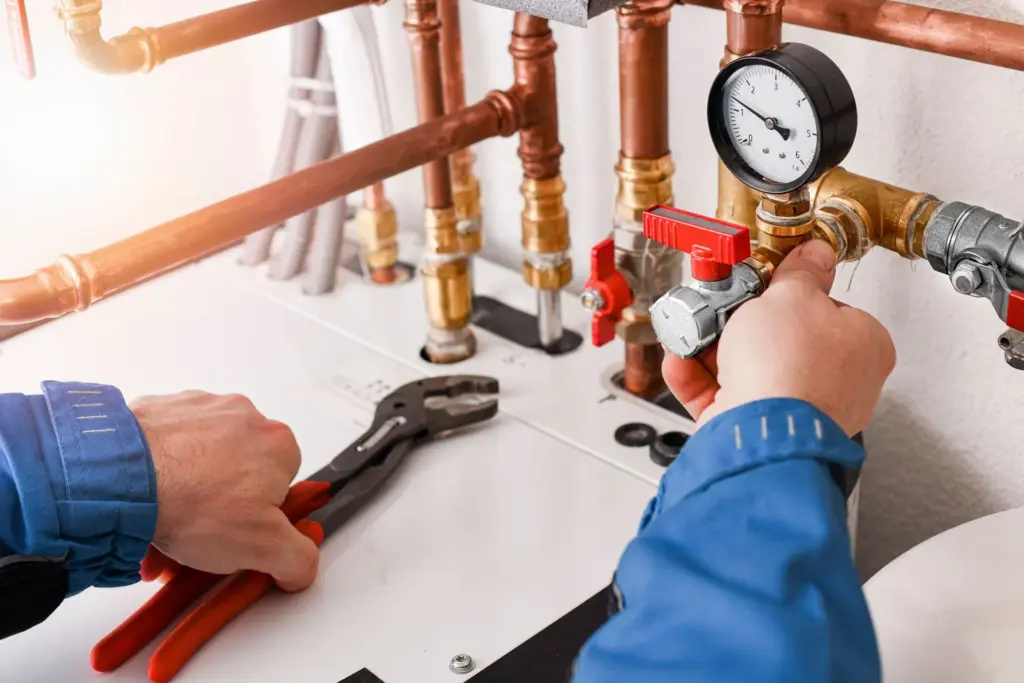
Most repair calls start with draining the tank partially or fully, depending on what we’re getting into. For a gas unit, that means checking the thermocouple or gas control valve, inspecting the burner assembly for soot or a weak flame, and confirming the flue venting is drafting properly, which matters a lot in older Newbury homes with masonry chimneys that weren’t sized for modern appliances. For electric units, we’re testing the upper and lower heating elements and thermostats with a multimeter, and checking the breaker and wire gauge feeding the unit to make sure it matches what the heater actually draws.
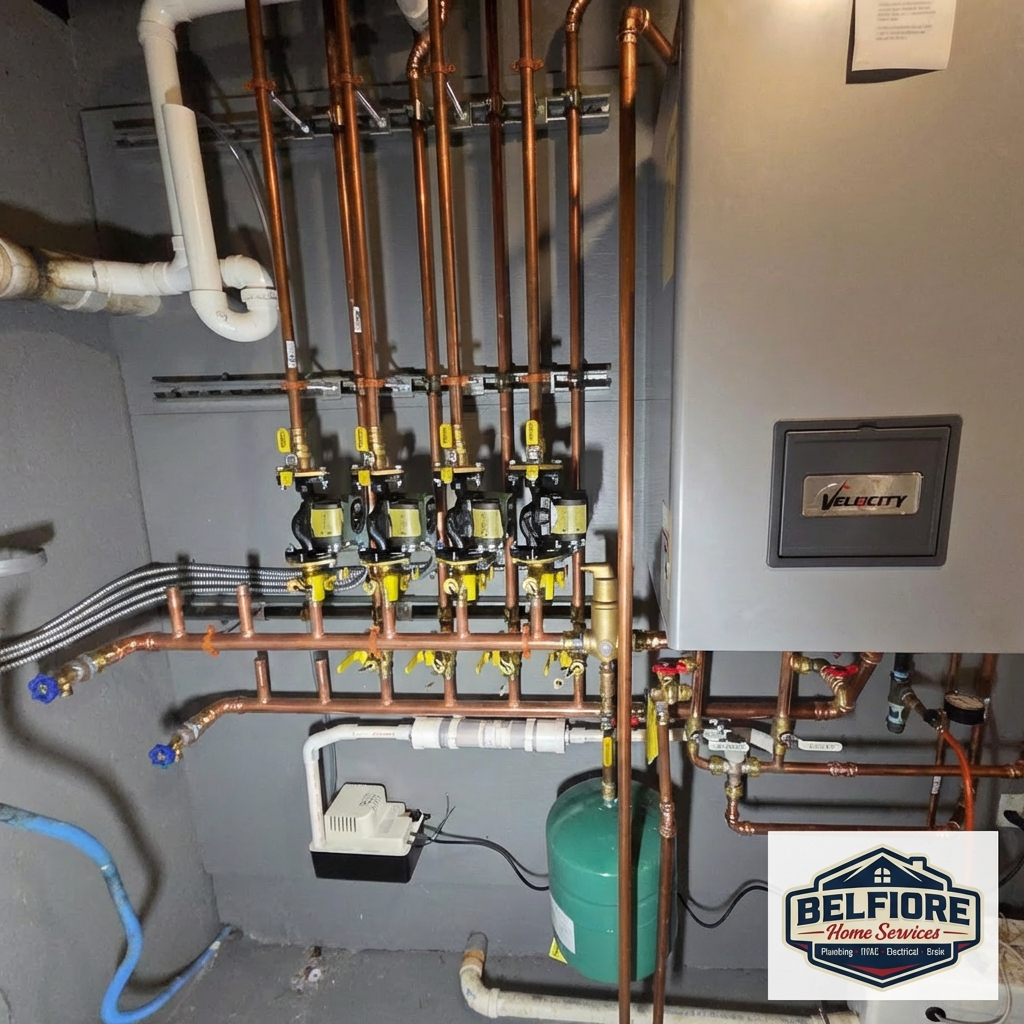
If you’re on an indirect tank off an oil boiler, the repair might involve the aquastat, the circulator pump, or the tank’s internal heat exchanger coil rather than anything in the tank itself. That’s a different repair than a standalone heater and it’s worth knowing which one you have before a quote gets written.
Depending on what needs replacing, you’re looking at anywhere from an hour for a straightforward element or valve swap to most of a day if we’re pulling a full assembly or dealing with tight venting in an older mechanical room.
Repair or Replace
This is the part most companies skip past because replacement pays more. Chris doesn’t run it that way. If your tank is under eight or nine years old and the problem is a bad element, a failed thermostat, a stuck gas valve, or a worn-out anode rod, that’s a repair, plain and simple, and it’ll buy you several more years of service.
Where replacement makes sense: the tank itself is leaking from the body, not a fitting. Rust is showing in your hot water at multiple taps. The unit is past 10-12 years old and the repair cost starts to rival a chunk of a new install. Or you’re on well water and have had two or three sediment-related failures in a row, which tells us the tank’s just tired. We’ll tell you which situation you’re in and why, not just quote a number.
What It Costs
Repair costs depend on the part. A thermocouple, gas valve, or heating element is a modest, contained repair. Anode rod replacement is on the lower end too and it’s one of the best things you can do preventively on well water. Larger jobs, like replacing an indirect tank’s heat exchanger coil or correcting venting that’s out of code, run higher because of the labor and parts involved. We’ll give you a number for the actual repair before we start, not a range that leaves room to pad the bill once we’re in the mechanical room. Ask about {WARRANTY_LENGTH} on parts and labor when we quote the job.
How Long It Takes
A straightforward repair, like a heating element or a gas control valve, is usually done same-day, often within a couple of hours once we’ve diagnosed the issue. Jobs involving venting corrections or an indirect tank’s internal components take longer, sometimes a full day, because there’s more to drain, disassemble, and test before we sign off on it. We’ll tell you upfront which kind of job you’re looking at so you’re not left guessing whether you’ll have hot water tonight.
Common Questions
Why does my water heater run out of hot water faster than it used to?
Usually sediment buildup at the bottom of the tank, which is common on well water systems. It insulates the water from the heating element or burner, making the unit work harder and recover slower. A flush and anode rod check often solves it if caught early.
Is it worth repairing a water heater on an oil boiler system?
Often yes. Indirect tanks tied to an oil boiler are usually well-built and the failure is more often the aquastat or circulator than the tank itself. We check the actual component before recommending anything.
Do you work on both gas and electric water heaters in Newbury?
Yes. Chris handles both, and since Newbury has a mix of gas-available streets and oil-heated homes with indirect tanks, we come ready to diagnose whichever setup you have.
How do I know if it's the thermostat or the heating element?
On an electric unit, we test both with a multimeter rather than guessing. A tripped high-limit switch, a dead element, or a miswired thermostat can all look the same from the outside, so we check before replacing anything.
What if my water heater is original to the house?
Reach Out for Water Heater Repair
No hot water is a same-day kind of problem for most Newbury households, especially with kids or a well pump already working overtime. Call {PHONE} and we’ll get someone out to look at the tank, the venting, and the electrical or gas connection feeding it, and give you a straight answer on repair versus replacement before any work starts.
Contact information
Talk to Chris
Chris runs the plumbing side of the business and takes water heater calls himself. If you’re not sure whether your Newbury home has a standalone tank or an indirect unit off a boiler, or you just want someone to look at it before you spend money on the wrong fix, call {PHONE}. He’ll walk you through what he sees and what it’ll take to fix it right.