
Water Heater Repair in Nahant, MA
Nahant is a small peninsula with a lot of older houses packed onto tight lots, and that shows up in the water heater problems we see here. Salt air off the water eats through anything metal outside the tank fast, and a lot of homes still run on well water or older plumbing that puts extra strain on the heater itself. When your hot water starts acting up, the first question is whether it’s worth fixing or whether you’re at the end of the unit’s life, and that’s exactly what this page walks through.
Water Heater Repair in Nahant
Nahant homeowners call us for the usual signs: no hot water, lukewarm water that never gets hot, a tank that’s leaking or making popping and rumbling noises, or a pilot light that won’t stay lit. On a peninsula this exposed to salt air, we also see corrosion on fittings and vent connections faster than we do inland. That corrosion can look like a bigger problem than it is, or it can be the thing that tells us the tank is done. Either way, we look at the actual unit before we tell you anything.
What Nahant Homes Typically Have
A lot of Nahant’s housing stock dates back to the early 1900s or earlier, with additions and updates layered on over the decades. That means older steam and hot water boiler systems are common, sometimes original piping mixed in with newer sections from a past renovation. Space is tight almost everywhere here, and mechanical rooms are often small, low-ceilinged, or awkward to access, which matters when a tank needs to come out.
Most of the peninsula is on town water, but there are pockets on private wells, and well water changes the wear pattern on a water heater considerably. Gas is available on many streets in Nahant, but not universally, and there are still homes running on oil or propane. That distinction drives a lot of the decision when we’re talking repair versus replacement, because the fuel source and venting setup available at the house limits what options make sense.
What the Work Involves
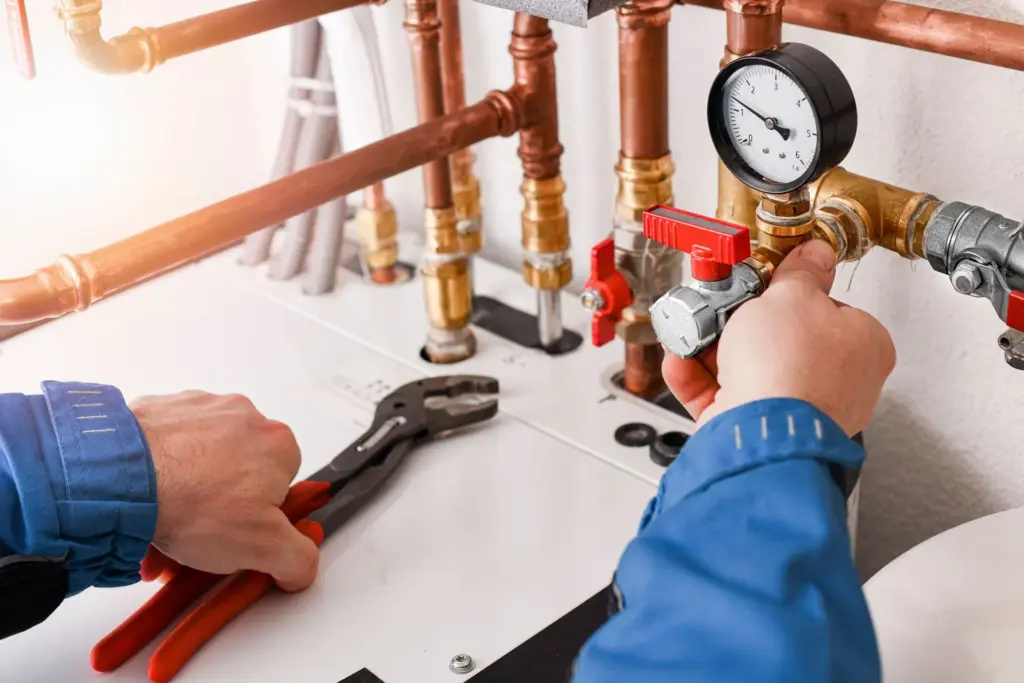
A repair call starts with draining down the tank enough to get eyes on the failed part, whether that’s a heating element, a thermocouple, a gas valve, or a leaking drain valve. On gas units we check burner operation and venting. On electric units we’re checking the elements and thermostat, and confirming the breaker and wire gauge feeding the unit match what the heater actually draws.
If the job is a straight repair, most Nahant homes are back to hot water the same day, often within a couple of hours depending on the part. If we find the tank itself is compromised, we’ll walk you through what a replacement involves before any work starts, including venting requirements and whether the gas line sizing on the existing setup will support the new unit.
Repair or Replace
This is the part most companies skip past, and it’s the part Chris cares about most. If your water heater is under eight years old and the failure is a single part, like an element, thermocouple, or thermostat, repair is usually the right call and the cheaper one. We’ll tell you that directly.
If the tank itself is rusting through, if it’s original to a house that’s changed hands twice since it was installed, or if you’re replacing the same part for the second or third time, we’ll say so plainly too. Nobody in Nahant needs to be sold a repair on a tank that’s going to fail again in six months, and nobody needs a new water heater when a forty-dollar part will fix it. We look at the unit, tell you which situation you’re in, and let you decide from there.
What It Costs
Repair costs depend on the part and whether it’s gas or electric. A thermocouple or heating element swap is a modest, contained job. A gas valve or a full control assembly costs more. Replacement costs depend on tank size, fuel type, and whether the venting or gas line needs updating to meet code, which is more common in Nahant’s older homes than in newer construction elsewhere on the North Shore. Chris will give you the number before anything gets touched, not after.
How Long It Takes
Most repairs are finished the same visit. A part replacement typically takes one to two hours once we’ve confirmed what’s wrong. A full replacement, including draining the old tank, disconnecting gas or electric, and setting and venting the new unit, is usually a half-day job. Tight mechanical rooms and difficult access, which is common on this peninsula, can add time, and we’ll tell you upfront if your setup looks like one of those jobs.
Common Questions
How do I know if my water heater needs repair or replacement?
Age and the type of failure matter most. A tank under eight years old with a single failed part, like an element or thermocouple, is usually worth repairing. A tank that's rusting, leaking from the tank itself, or has had repeat repairs is usually at the end of its life.
Does Nahant have gas or oil for water heaters?
It varies by street. Many Nahant homes have gas available, but there are still properties running on oil or propane. We check what's actually feeding your house before recommending a repair or a replacement unit.
Can well water affect my water heater?
Yes. Homes on private wells in Nahant tend to see more sediment buildup and mineral scale inside the tank, which can shorten its life and cause elements or heating components to fail sooner than in a home on town water.
How fast can you get to a water heater with no hot water?
Call and describe what's happening. Most repair issues are diagnosed and fixed the same visit, and we'll tell you honestly if parts need to be ordered.
Do you work on older water heaters in older Nahant homes?
Reach Out for Water Heater Repair
If your water heater in Nahant is acting up, leaking, or just not keeping up anymore, call Belfiore at {PHONE}. We’re a Salem-based company working across the North Shore, and we’ll give you a straight answer on repair versus replacement before we start any work.
Contact information
Talk to Chris
Chris runs the plumbing side of Belfiore and handles water heater calls across Nahant himself or with his crew. He’d rather look at the unit and tell you it just needs a part than talk you into a tank you don’t need yet. If you want a straight read on what’s going on with your hot water, call and describe what you’re seeing.