
Tankless Water Heater Installation in Salem, MA
A lot of Salem homes are still running a 40 or 50 gallon tank that was undersized the day it was installed, feeding a house that’s since been split into a two or three family. Add in the number of properties on well water where sediment and mineral content chew through a heat exchanger faster than town water would, and you’ve got a market where tankless makes real sense more often than it doesn’t.
Tankless Water Heater Installation in Salem
Chris has installed and serviced enough water heaters in Salem to know the pattern block by block. Near the historic district you’re dealing with tight utility closets and older gas services that weren’t sized for anything beyond a stove and a furnace. Closer to the water and out toward the Willows, you get more single-family homes with a bit more room to work with, but often the same 3/4 inch gas line trying to do too much. A tankless install here isn’t a swap-and-go job. It’s a gas sizing question, a venting question, and sometimes an electrical question, all before you get to the unit itself.
What Salem Homes Typically Have
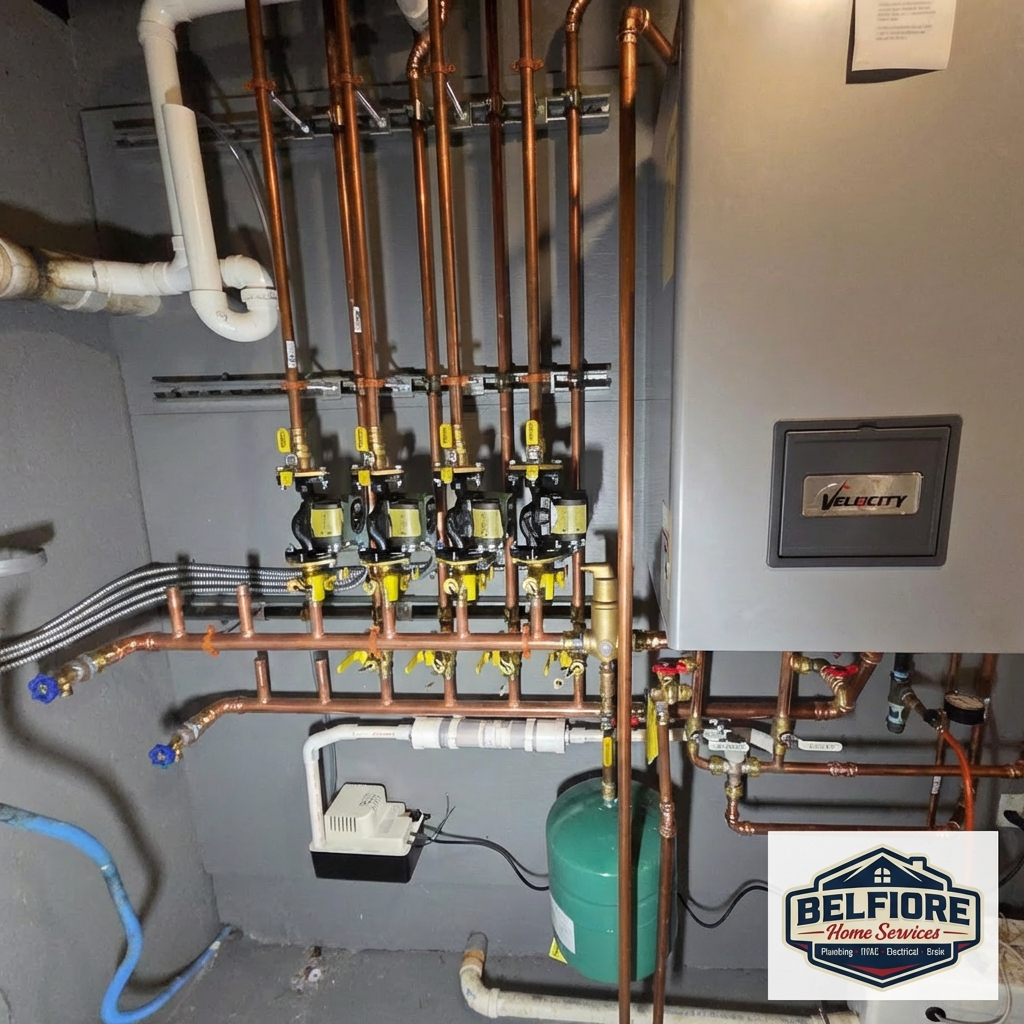
Salem’s housing stock skews old. Plenty of pre-1940 triple-deckers and Colonials, a good number converted into two or three units along the way. That means you’ll often find a steam or hot water boiler that’s outlived its design life sitting a few feet from a water heater installed as an afterthought during a later renovation.
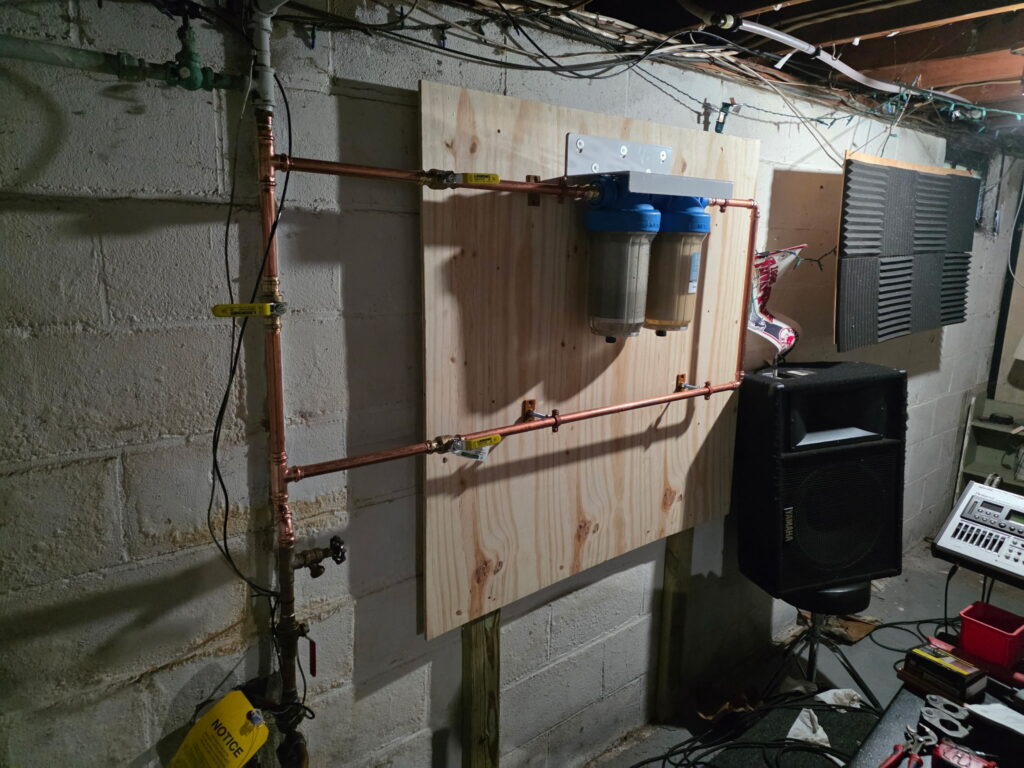
Town water covers most of Salem proper, but you don’t have to go far into surrounding neighborhoods before you hit private wells, and well water changes the tankless conversation. Hard water and sediment will scale a tankless heat exchanger faster than it will a standard tank, so if you’re on a well, a filtration or softening setup ahead of the unit isn’t an upsell. It’s what keeps the manufacturer’s warranty valid.
Gas availability also varies more than people expect. Most of central Salem has natural gas at the street, but there are pockets, especially on the outskirts, still running oil heat with no gas service nearby. That single fact decides whether a gas tankless unit is even on the table or whether you’re looking at an electric tankless model instead, which brings its own amperage and breaker requirements into play.
Repair or Replace
Not every water heater problem means you need a new system. If your tank is under eight years old, the anode rod hasn’t been replaced, and the issue is a bad thermocouple, a failed heating element, or a leaking valve, that’s a repair, and Chris will tell you that on the phone before he ever gets in the truck.
Where replacement earns its keep is when the tank is past 10 to 12 years old, you’re seeing rust in the hot water or at the base of the tank, or the house has simply outgrown what the existing unit can produce. If you’re running two bathrooms and a laundry load at the same time and always losing hot water, that’s a capacity problem no repair fixes. That’s when tankless, sized correctly for your fixture count and simultaneous demand, is worth the conversation.
What the Work Involves
A proper tankless install starts with draining and disconnecting the old tank, then confirming the gas line. Most tankless units need a 3/4 inch gas line minimum, and if your house is still running 1/2 inch pipe back to the meter, that line has to be upsized before the unit is hung. Skipping that step is how you end up with a unit that can’t hit full BTU output on a cold morning.
Venting is next. Tankless units need dedicated venting, either a category III stainless steel vent or a PVC intake and exhaust setup depending on the unit’s condensing or non-condensing design. This is not something you can tie into an old chimney flue meant for a tank-style water heater. If the unit is electric, Brandon handles that side: confirming the panel has room for a dedicated 240 volt circuit, sizing the wire gauge to the unit’s amp draw, which on larger electric tankless models can run 100 amps or more split across multiple breakers.
Most installs run one full day. If gas line upsizing or new electrical circuits are needed, plan on it stretching into a second day. You’ll be without hot water during the swap, but Chris schedules around that so it’s not an overnight gap.
What It Costs
Cost depends on three things: the unit itself, whether the gas line needs upsizing, and whether venting has to be run new or can reuse an existing path. A straightforward swap where the gas line and vent are already adequate costs less than a job requiring new gas piping and a new vent run through an exterior wall. Chris will give you the actual number after he sees the mechanical room and the gas meter, not before. {PRICE}
How Long It Takes
A standard gas tankless install with adequate existing gas and vent lines typically wraps in {TIMEFRAME}. Add gas line upsizing, new venting, or panel work for an electric unit, and the job extends to a second day. Chris will tell you which category your house falls into during the initial visit, not after the work has started.
Common Questions
Is tankless worth it for an older Salem home?
Often yes, but it depends on your gas line size and venting path. If your home already has 3/4 inch gas service and a usable vent route, the upgrade is straightforward. If not, factor in the cost of upsizing before deciding.
Can I install a tankless water heater if I'm on well water?
You can, but plan on a filtration or softening setup ahead of it. Well water sediment and hardness will scale a tankless heat exchanger faster than a standard tank, and most manufacturers require pretreatment to honor the warranty.
What if my street doesn't have gas service?
Some parts of Salem and the surrounding North Shore are still oil-heat only with no gas at the street. In that case an electric tankless unit is the option, which shifts the job toward panel capacity and circuit wiring instead of gas line sizing.
How is tankless different from a high-efficiency tank replacement?
Tankless heats water on demand instead of storing it, so you get continuous hot water but need larger gas or electrical service to support the higher instantaneous output. A tank replacement is usually a simpler swap with fewer line and venting changes.
Do I need a permit for a tankless install in Salem?
Reach Out for Tankless Water Heater Installation
Whether you’re in a historic district home with a tight utility closet or a newer build out toward the water, Belfiore can walk your gas line, vent path, and panel before quoting anything. Call {PHONE} to set up a look at your setup.
Contact information
Talk to Chris
Chris runs the plumbing side of Belfiore and handles tankless installs and gas sizing himself. If you’re on the fence between repairing an aging tank and going tankless, call him and describe what’s going on. He’d rather talk you out of an unnecessary replacement than sell you one you don’t need.