
Tankless Water Heater Installation in North Andover, MA
North Andover has a lot of housing that was built long before anyone was running a 199,000 BTU tankless unit off a half-inch gas line. Between the historic center’s older homes and the newer construction further out toward the highway, water heating setups vary a lot from street to street, and a fair number of homes still run steam or hot water boilers that share a chimney with an old tank-style heater that was never sized right to begin with.
Tankless Water Heater Installation in North Andover
Belfiore installs tankless water heaters for homeowners across North Andover, and we’re upfront that this is the far edge of where we work out of Salem. If you’re calling us for this job, expect us to schedule it properly rather than promise a same-hour arrival. We still show up, size the job right, and stand behind the install, but we’re not going to pretend we’re around the corner when we’re not.
Chris handles the plumbing side of every tankless job personally when it comes to sizing and gas work. This isn’t a unit we grab off a truck and swap in. It’s a system that has to match your home’s gas supply, your fixture count, and how your existing venting is set up.
What North Andover Homes Typically Have
North Andover’s housing stock splits a few ways. The historic center and older neighborhoods often have homes from the early-to-mid 1900s with steam or gravity hot water boilers, sometimes still cast iron, and a separate 40 or 50 gallon tank water heater that was added on later. Post-war and newer construction further out tends to have forced hot water baseboard systems and better-sized gas piping, but not always.
Gas availability matters more here than it does closer to Salem. Some North Andover streets have natural gas at the curb, and some don’t, particularly in the parts of town that grew up around older farm roads. Where gas isn’t run to the house, homeowners are on propane or oil, and that changes the tankless conversation entirely, since electric tankless units exist but rarely make sense as a straight swap for a big oil-fired tank in a New England house.
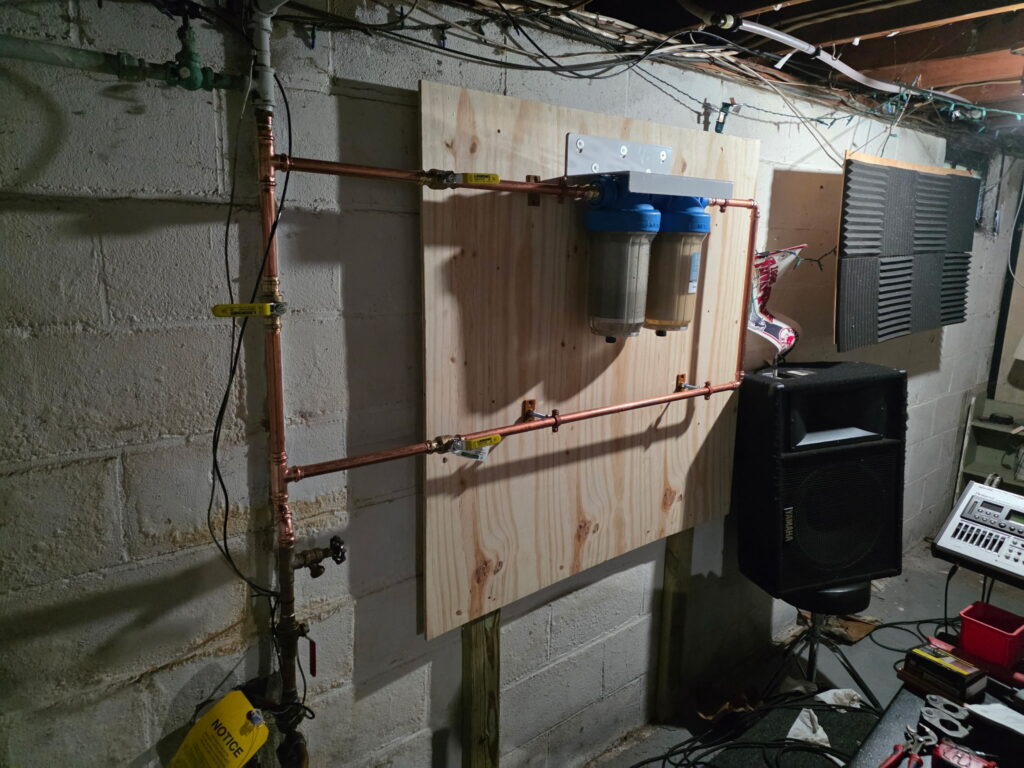
Water source is the other local variable. Most of North Andover is on town water, but there are pockets, especially toward the Boxford and Middleton lines, still on private wells. If you’re on well water, we’re going to talk about scale and sediment before we talk about the heater itself, because a tankless unit fed by hard well water without any pre-treatment will scale up fast and lose efficiency within a couple of years.
What the Work Involves
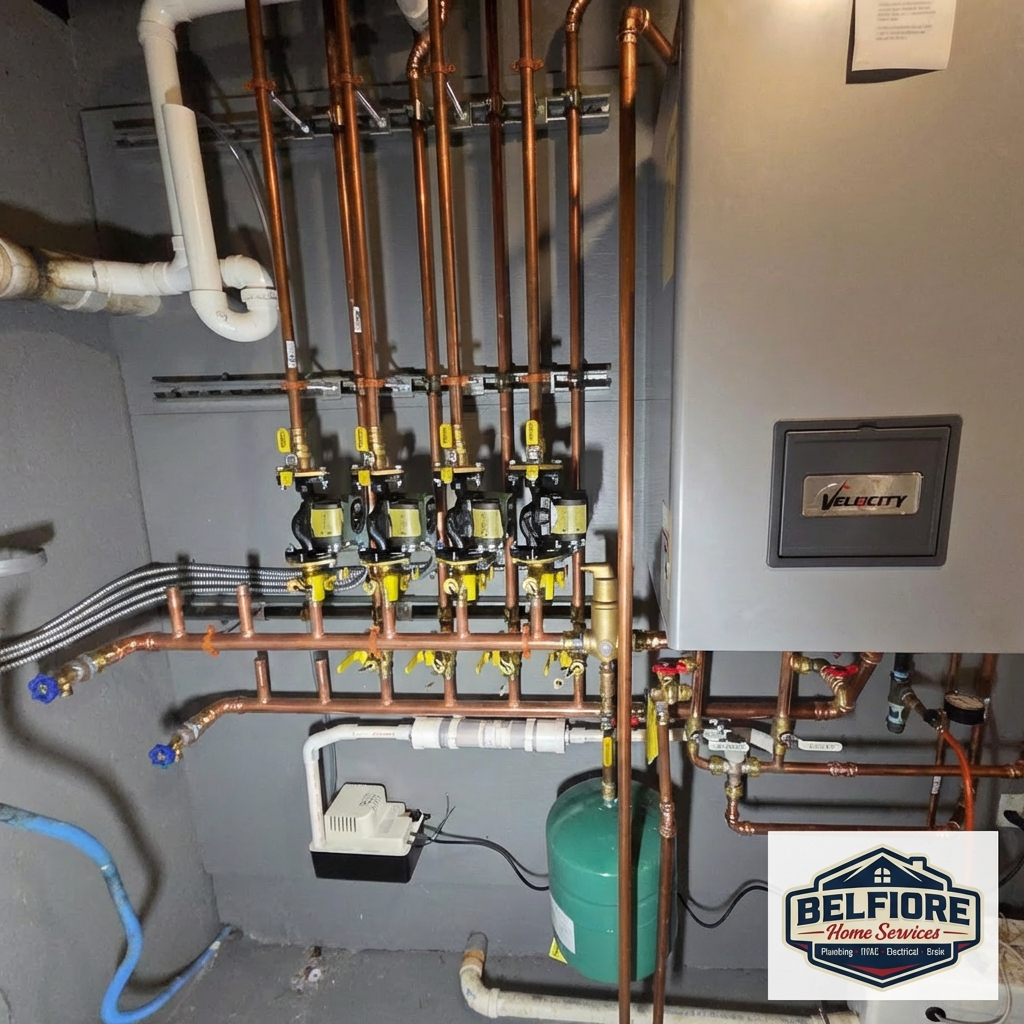
A tankless conversion starts with draining and disconnecting the existing tank. From there the real work is gas and venting, not the unit itself.
- Gas sizing: Most residential tankless units need somewhere between 150,000 and 199,000 BTU/hr input. That often means upsizing the gas line from the meter or running a dedicated line, not just tapping into whatever half-inch pipe fed the old 40-gallon tank.
- Venting: Tankless units are power-vented and need sealed PVC or CPVC intake and exhaust run to an exterior wall, sized and pitched to manufacturer spec. This is different from the old B-vent that ran up through the chimney, and it’s usually the part of the job that takes the most planning in older North Andover homes with finished basements or limited exterior wall access.
- Electrical: Tankless units need a dedicated outlet, and if Brandon’s already on-site for related electrical work, that gets handled in the same visit.
- Downtime: Most single-unit installs take one day. You’ll be without hot water for the hours the swap is happening, not longer.
Repair or Replace
Not every tank problem means you need a tankless system, and Chris will tell you straight when a repair is the smarter call. A failing thermocouple, a bad heating element, a leaking drain valve, or sediment buildup causing rumbling noises are all things that get fixed for a fraction of a replacement, and a tank in otherwise good shape with a few years of service life left doesn’t need to be pulled just because a part failed.
Replacement, tankless or otherwise, makes sense when the tank itself is leaking from the inside, when it’s past its expected service life and struggling to keep up with demand, or when you’re doing a bathroom or kitchen remodel that’s already opening up the mechanical room. If your household regularly runs out of hot water with a bigger family or a soaking tub in the plans, that’s usually the real conversation, and tankless solves it by giving you continuous hot water rather than a bigger tank.
What It Costs
Tankless installation cost depends mostly on how much gas and venting work your home needs, not the price of the unit itself. A straightforward swap where gas sizing and venting already work is a different job than one requiring a new gas line run from the meter and new venting through an exterior wall. We’ll give you {PRICE} pricing after Chris looks at your gas meter, your existing vent path, and your fixture count, not a number over the phone.
How Long It Takes
A tankless conversion with straightforward gas and venting access typically runs one day, sometimes into a second if the gas line needs upsizing or the vent run is longer than expected. Homes needing a dedicated gas line from the street or significant venting work through masonry walls, which comes up more often in North Andover’s older housing, can take longer. We’ll walk you through the timeline before we start so there aren’t surprises on install day.
Common Questions
Can I install a tankless water heater if my North Andover home doesn't have natural gas?
Yes, but it changes the equation. Propane-fired tankless units exist and work well, and electric tankless is an option for some smaller households, but neither is usually a direct swap for an oil-fired tank without some additional planning. Chris will walk through your options based on your fuel source.
Do I need to upgrade my gas line for a tankless water heater?
Often, yes. Tankless units generally need 150,000 to 199,000 BTU/hr, which is more than most older tank setups were sized for. We check your gas meter capacity and existing line size before recommending a unit.
Is tankless a good fit for a home on well water?
It can be, but hard well water will scale a tankless heat exchanger faster than it would a standard tank. We usually recommend a pre-filter or softener alongside the install for well water homes to protect the unit and keep it efficient.
Will I lose hot water for long during the switch to tankless?
Most single-unit installs are done in one day. You're without hot water for the hours the swap takes, not overnight, unless the job also requires a new gas line or extensive venting work.
How do I know if I should repair my water heater instead of replacing it?
Reach Out for Tankless Water Heater Installation
Belfiore is a Salem-based plumbing and electrical company working across North Andover and the North Shore. We’re honest that North Andover is the far end of our coverage area, but we still bring the same gas sizing and venting standards to every install. Call {PHONE} to get your home’s setup looked at properly.
Contact information
Talk to Chris
Chris runs plumbing for Belfiore and handles tankless sizing and gas work directly. If you’re weighing a tankless conversion against just replacing your tank, or you’re not sure what your home’s gas line can support, that’s a conversation worth having before any work is scheduled. Call {PHONE} and describe your setup, your fuel type, and whether you’re on town water or a well, and he’ll tell you honestly what makes sense.