
Tankless Water Heater Installation in Nahant, MA
A lot of Nahant houses are still running a water heater that was sized for a smaller family or an older set of fixtures, and it shows every time two showers run back to back. Add in that plenty of homes on the island are on well water, and the case for a properly sized, properly filtered tankless setup here is practical, not cosmetic.
Tankless Water Heater Installation in Nahant
Chris and the plumbing crew install tankless water heaters across Nahant, from small cottages near the causeway to larger homes further up on the peninsula. The island’s narrow lots and older utility setups mean every install gets looked at individually before we quote it. Gas availability, panel capacity, and existing venting all change what unit fits and where it can go.
We are not going to sell you a tankless unit because it is the newer thing. If your current tank heater is doing its job and has years left, we will say so. If you are outgrowing it, or replacing an ageing tank anyway, tankless is worth a real conversation about sizing and venting for your specific house.
What Nahant Homes Typically Have
Nahant’s housing stock skews older, plenty of it built well before mid-century, with additions and updates layered on over the decades. That means a mix of heating systems: older cast iron steam boilers in some houses, hot water baseboard systems in others, and a fair number of homes that have already converted to combi or high-efficiency setups.
Natural gas service is not uniform across the island the way it is in some inland North Shore towns. Some streets have gas at the curb, others still run oil or propane for heat and hot water. That single fact changes the entire tankless conversation, because gas-fired tankless units need adequate gas line sizing and a dedicated vent, while electric tankless units need panel capacity and dedicated circuit work instead. We check which utilities actually reach your house before we talk equipment.
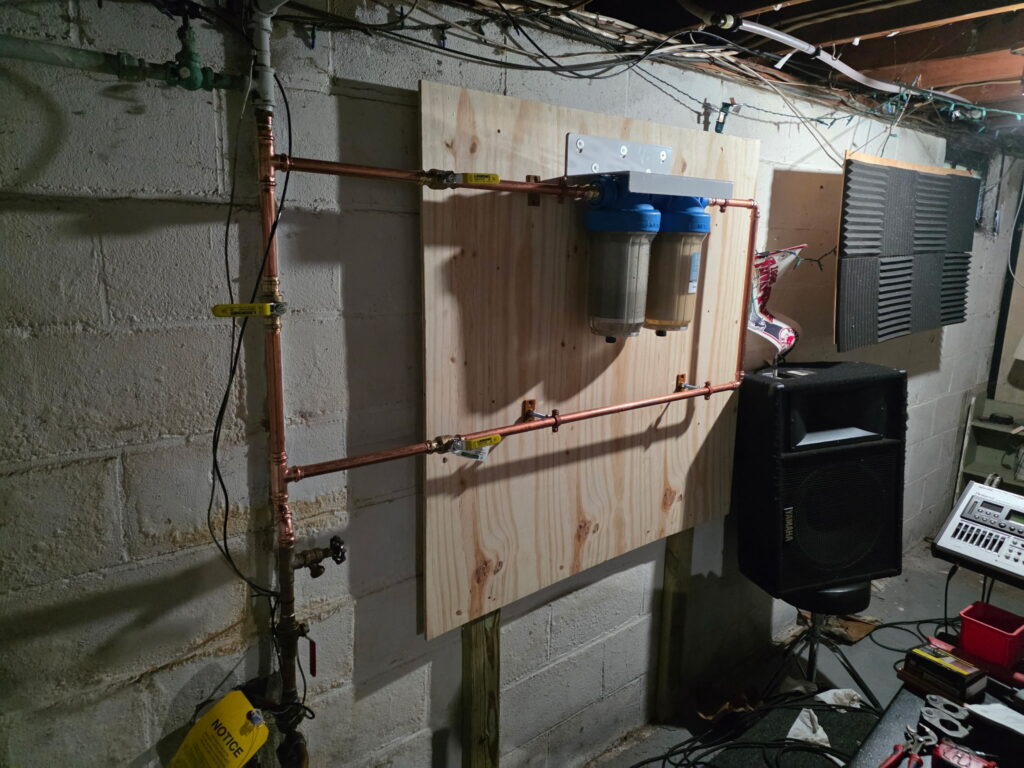
Well water is common enough here that it deserves its own mention. A tankless unit is far less forgiving of hard water and sediment than an old tank was. If your house is on a well, filtration or a scale-reduction setup ahead of the tankless unit is not an upsell, it is what keeps the heat exchanger from scaling up in a couple of years.
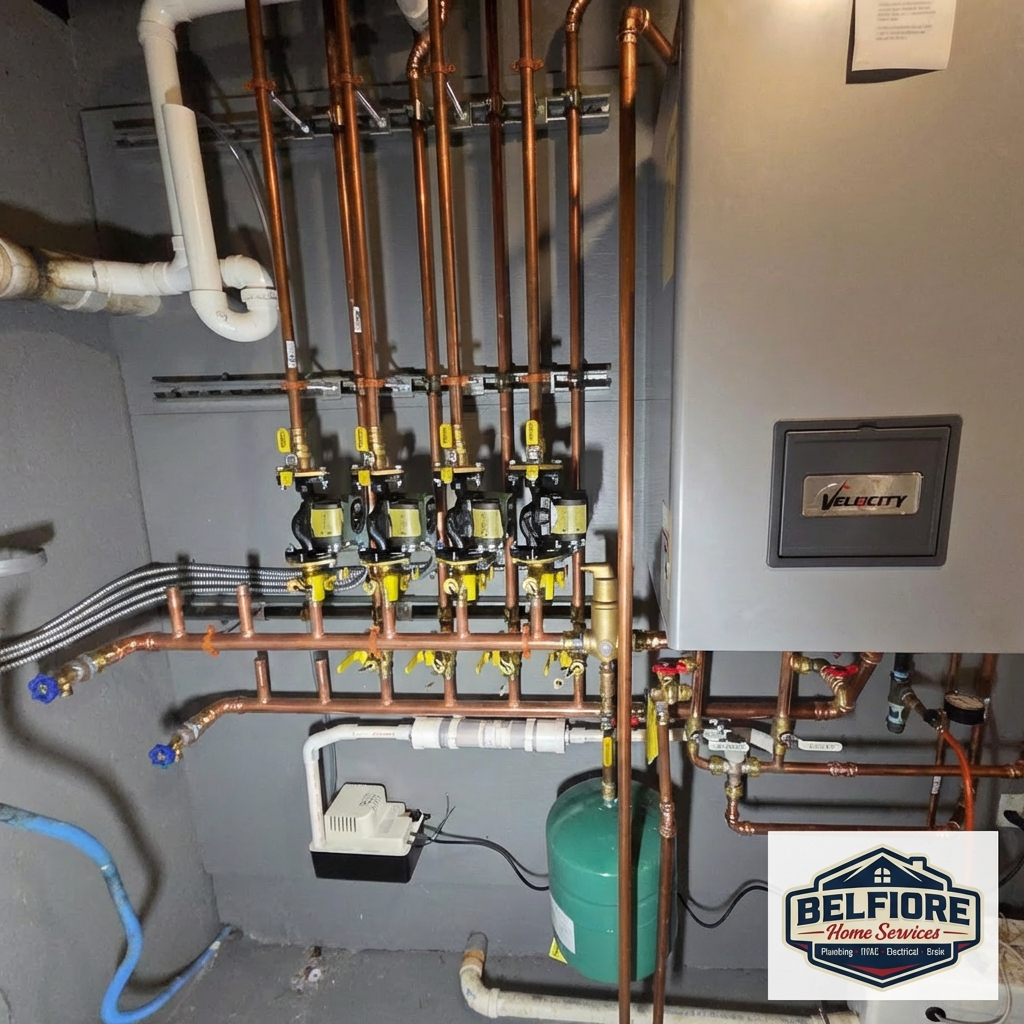
Repair or Replace
Not every tankless call in Nahant ends with a new unit going in. If your existing tankless heater is a few years old and throwing an error code, giving inconsistent temperature, or short-cycling, that is often a flushing issue, a venting problem, or a failed sensor, not a reason to replace the whole thing. Chris will tell you straight when a repair gets you several more good years out of the unit you have.
Replacement makes sense when the unit is undersized for how the house is actually used now, when the heat exchanger has scaled up from years of unfiltered well water, or when you are converting off an old tank heater anyway and want to size things correctly from the start. We are not going to recommend tearing out a working unit to sell an install. If it is fixable, we fix it.
What the Work Involves
A tankless install starts with load calculations, not the box the unit comes in. We measure your gas line sizing if you are going gas-fired, since most residential tankless units need a larger supply line than an old tank heater ever required, sometimes a full upsize back to the meter. Undersized gas lines are one of the most common reasons a tankless unit underperforms in older homes.
Venting is the other technical piece. Tankless units need dedicated venting, typically stainless steel or PVC depending on the unit’s efficiency rating, run through an exterior wall or roof. In a lot of Nahant’s older homes, that means planning a new vent path rather than reusing an old chimney liner, especially on houses with masonry chimneys built for oil-fired equipment.
For electric tankless units, Brandon’s side of the business handles the circuit work: these units draw heavy amperage, often needing a dedicated 40 to 60 amp circuit or more depending on the model, so panel capacity gets checked before we commit to electric over gas.
On install day, we shut down and drain the existing water heater, disconnect gas or electric supply, remove the old tank, mount the new unit, run new venting and gas or electrical connections, and pressure test everything before we turn the water back on. Most straightforward swaps are done in a single day. Jobs that require new gas line runs or vent path changes can take longer, and we will tell you that up front, not after the walls are already open.
What It Costs
Cost depends on fuel type, unit sizing, and how much of the existing gas line or venting can be reused versus replaced. A straightforward gas-to-gas swap with adequate existing gas supply costs less than a conversion that requires new gas piping and a new vent run. Electric tankless installs depend heavily on whether your panel has room for the new circuit or needs an upgrade first.
We will give you a firm number after we look at your gas line, your panel, and your venting situation in person. We do not quote tankless installs blind over the phone, because the variables above swing the price too much to guess at responsibly.
How Long It Takes
A standard tankless swap where gas sizing and venting are already adequate usually takes one day, and your household is without hot water for a matter of hours, not overnight. If the job requires upsizing a gas line, adding a new vent path, or running a new dedicated electrical circuit, plan on the job stretching to a second day. We will tell you which scenario you are in before we start, not partway through.
Common Questions
Can I install a gas tankless water heater if my Nahant home is on oil heat?
It depends on whether natural gas service actually reaches your street. Some parts of Nahant have gas at the curb even in homes with oil-fired heat, and in that case a gas tankless water heater is often possible with a new dedicated line run to the unit. Where there is no gas service at all, an electric tankless unit or a high-efficiency propane setup is the alternative, and we will confirm which options your address actually supports before quoting anything.
Do I need a water filter with a tankless heater if I'm on well water?
In most cases, yes. Well water often carries more sediment and mineral content than town water, and tankless heat exchangers are more sensitive to scale buildup than an old tank ever was. A basic sediment filter or scale-reduction system ahead of the unit protects your investment and keeps you from an early repair call.
How much bigger does my gas line need to be for a tankless unit?
Most residential tankless water heaters need more gas flow than a standard tank heater, which often means the branch line to the unit needs to be upsized, and sometimes the line back to the meter does too. We measure your existing line and your gas meter capacity before recommending a unit, since installing a tankless heater on an undersized gas line is the most common cause of poor performance.
Is an electric tankless water heater a realistic option for an older Nahant house?
It can be, but it depends on your electrical panel. Electric tankless units draw significant amperage, often requiring a dedicated 40 to 60 amp circuit or larger. In older homes with a smaller panel already carrying a lot of load, a panel upgrade may need to happen first. Brandon evaluates panel capacity as part of any electric tankless quote.
How long will my house be without hot water during the install?
Reach Out for Tankless Water Heater Installation
Belfiore is a Salem-based plumbing and electrical company working across Nahant and the rest of the North Shore. Call {PHONE} to talk through your water heater situation, get a straight answer on repair versus replace, and get a firm quote based on what your house actually needs.
Contact information
Talk to Chris
Chris runs the plumbing side of Belfiore and looks at every tankless quote himself before it goes out. If you are trying to figure out whether your Nahant home can support a gas tankless unit, whether your gas line needs upsizing, or whether an electric unit makes more sense given your panel, that is exactly the kind of question worth a phone call before a truck shows up.