
Tankless Water Heater Installation in Beverly, MA
Beverly has a lot of housing stock built long before anyone thought about tankless anything. That means older steam and hot water boilers doing double duty on domestic hot water, undersized tanks in basements that were never sized right to begin with, and in the well-water pockets of town, hot water systems fighting sediment and hardness every day. A tankless install here is rarely just a swap. It is a chance to fix the sizing and venting problems that came with the house.
Tankless Water Heater Installation in Beverly
Chris and the plumbing crew install tankless water heaters across Beverly, from the older homes near the harbor and downtown to the newer construction further out toward Wenham. Every job starts the same way: a look at your gas meter, your vent path, and your existing plumbing, because those three things decide what unit you can actually run, not what a showroom brochure says you should want.
We are not going to sell you a tankless unit because it is trendy. We are going to tell you if it is the right fit for your gas service, your water use, and your house.
What Beverly Homes Typically Have
A good chunk of Beverly’s housing predates 1940, including plenty of two and three family conversions near Cabot Street and the downtown core, where a single water heater or boiler was often expected to carry more than one unit’s worth of hot water demand. That is one of the more common reasons homeowners here start looking at tankless in the first place.
Most of the city is on municipal gas, but not every street. Some sections, particularly further from the main corridors, still run on oil or propane, and that changes the entire conversation. A gas tankless unit needs a gas line sized to handle it, usually 3/4 inch minimum depending on BTU load and pipe run, and if you are on oil right now, converting to a gas tankless means a line installation project before the water heater project even starts. We check this before we quote anything, not after.
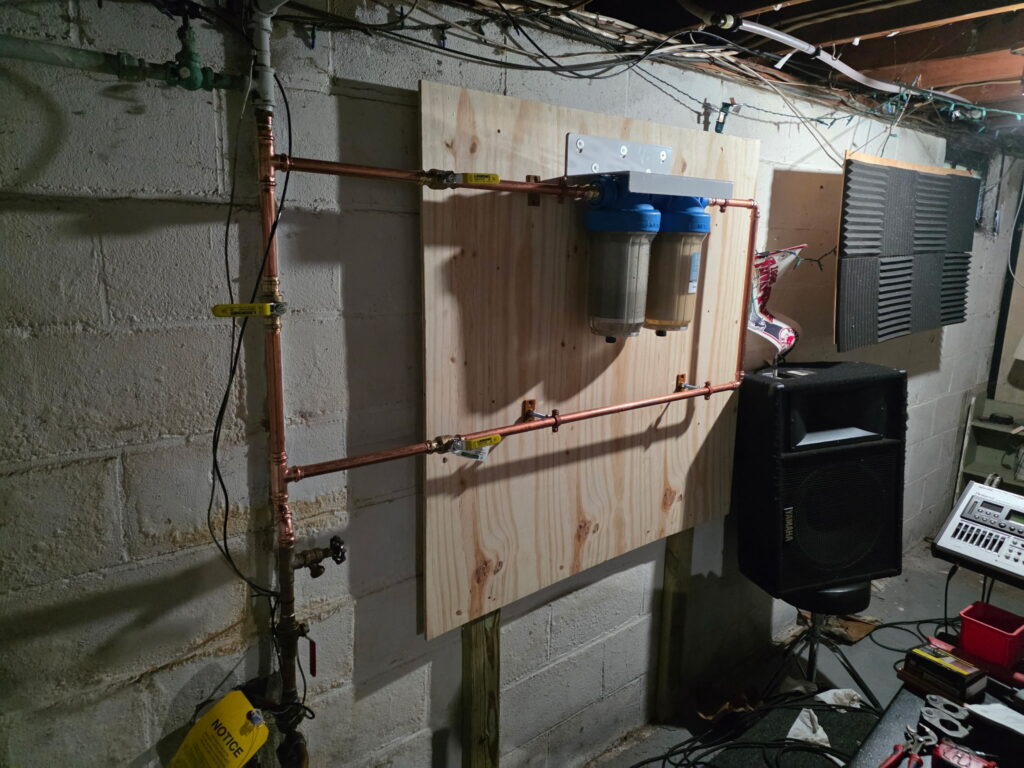
Well water shows up here too, mostly in the outer neighborhoods. Tankless units are less forgiving of hard water and sediment than a traditional tank, so on well systems we talk filtration as part of the install, not as an upsell tacked on later.
Repair or Replace
Here is what a lot of companies will not tell you: if your existing water heater is under ten years old and the problem is a bad thermocouple, a failed heating element, or a leaking valve, that is usually a repair, not a $3,000+ decision. Chris will say so on the spot.
Replacement starts to make sense when the tank itself is corroding, when you are constantly running out of hot water with more than one bathroom running, or when the unit is old enough that parts are getting hard to source. If you are already facing a boiler replacement, that is often the right moment to talk tankless, because the venting and gas work can sometimes be combined into one project instead of two.
We would rather have the conversation about whether tankless even makes sense for your house than talk you into a bigger job than you need.
What the Work Involves
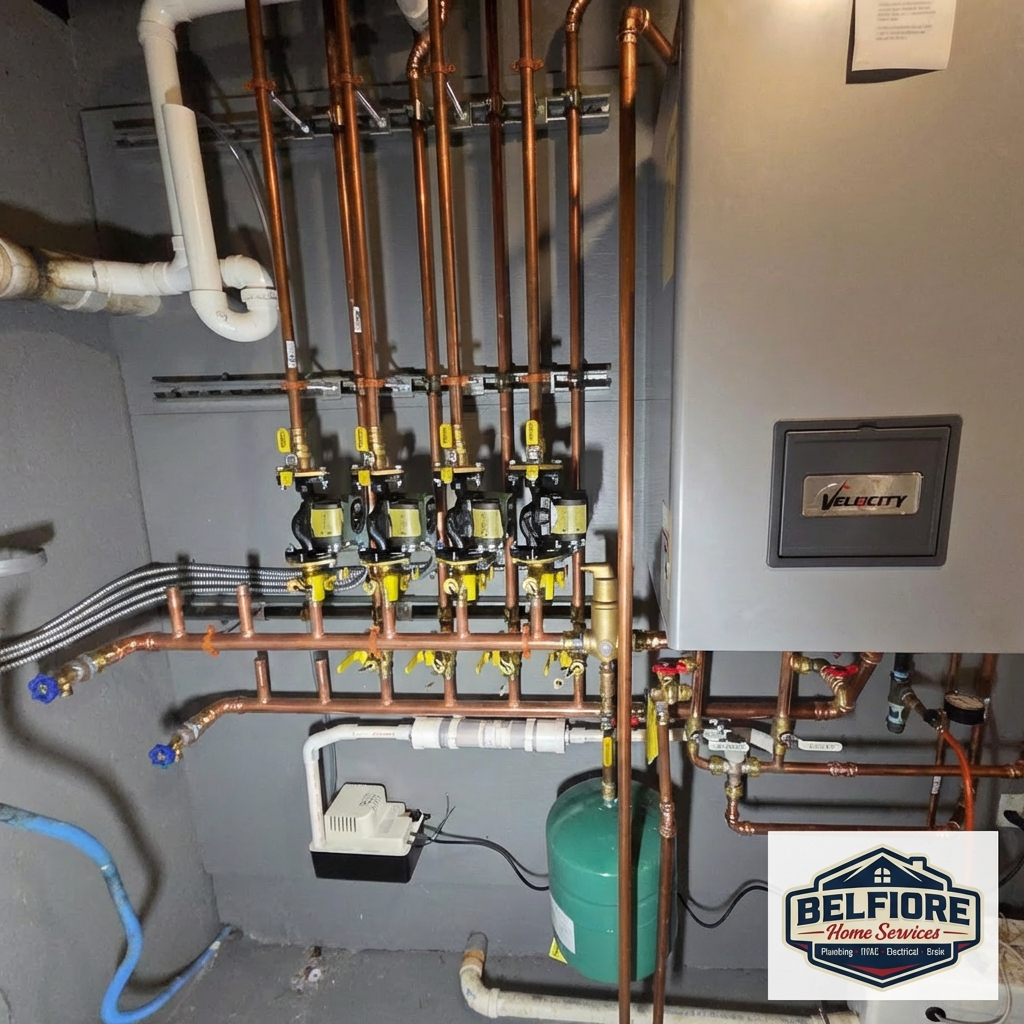
A tankless install is more involved than pulling one tank and dropping in another. The existing tank gets drained and disconnected, and the old venting, whether it is a chimney liner or a direct vent through the wall, usually cannot be reused because tankless units vent differently and need dedicated PVC, CPVC, or stainless steel venting depending on the model.
Gas sizing gets checked against the unit’s BTU rating, since tankless heaters draw significantly more gas on demand than a standard tank. That can mean upsizing the gas line from the meter or adding a dedicated run, especially in older Beverly homes where the existing line was sized for a furnace and a tank and nothing else.
A condensate line is required for high-efficiency condensing tankless units, since they produce acidic condensate that needs to drain somewhere safely, usually to a floor drain or a condensate pump. We also isolate the unit with service valves so future maintenance, like flushing scale out of the heat exchanger, does not require draining the whole system again.
Most installs in an existing space take a single day. If the job requires new gas piping, wall penetrations for venting, or panel work to support electronic components, plan on it running longer.
What It Costs
Cost depends on the unit’s capacity, whether your existing gas line needs upsizing, and how much new venting has to be run. A straightforward swap where the gas and venting already support a tankless unit costs less than a job where we are re-piping gas from the meter and running new vent through an exterior wall. Chris will walk the house, look at the meter and the vent path, and give you a number based on what your specific setup requires, not a phone estimate based on square footage.
How Long It Takes
A standard tankless swap, where the gas line and venting are already sized correctly, generally takes one day and your house is not without hot water overnight. Jobs that involve upsizing the gas line, running new venting through a wall, or converting from oil to gas typically need a full day of plumbing work plus permitting and inspection, which is standard for gas appliance installs in Massachusetts regardless of who does the work.
Common Questions
Can every home in Beverly get a gas tankless water heater?
Not without checking first. Homes on municipal gas usually can, though the gas line may need upsizing. Homes still on oil or propane need a bigger conversation, since that means adding gas service or sizing the unit around propane, which changes both venting and BTU requirements.
Is a tankless water heater worth it in an older two or three family?
Often yes, since older multi-unit conversions frequently have a single undersized water heater trying to cover more demand than it was built for. A properly sized tankless system, or a dedicated unit per unit, solves the running-out-of-hot-water problem that a lot of these conversions have.
Do I need a permit for tankless water heater installation?
Yes. Gas appliance installations require permitting and inspection in Massachusetts. We handle that as part of the job.
What happens to my old water heater venting?
In most cases it cannot be reused. Tankless units vent differently than standard tanks and need dedicated venting material rated for their exhaust temperature, so the old chimney liner or vent pipe typically gets removed or capped and new venting gets installed.
Should I filter my water before installing a tankless unit if I'm on a well?
Reach Out for Tankless Water Heater Installation
Call {PHONE} to get a straight answer on whether tankless makes sense for your house, what it will take to install, and roughly what it costs. We work across Beverly and the rest of the North Shore, and we will tell you if a repair is the better move before we talk you into a new system.
Contact information
Talk to Chris
Chris runs the plumbing side of Belfiore and does the walk-throughs himself. If you are trying to figure out whether your Beverly home can support a tankless unit as-is, or whether it needs gas or venting work first, that is exactly the kind of question worth asking before you commit to anything.