
Kitchen Plumbing Remodeling in Swampscott, MA
A lot of Swampscott kitchens are still running on plumbing that was never meant to feed a dishwasher, a pot filler, and an island sink at the same time. Between older steam and hot water boilers doing double duty for domestic hot water and undersized heaters that were fine for a 1950s kitchen but not today’s appliance lineup, a remodel here is as much about the pipes behind the wall as the cabinets in front of it.
Kitchen Plumbing Remodeling in Swampscott
Swampscott has some of the highest-value kitchen work we see anywhere in our footprint. Homeowners here are willing to do the job right the first time, and the housing stock backs that up. You’ve got a mix of older coastal cottages near the water and larger homes further inland, many with additions and updates layered on top of original plumbing that was sized for a much simpler kitchen.
Chris and the team handle the plumbing side of these remodels start to finish: moving supply lines for a new island, running gas for a range, upsizing a water heater to match a bigger kitchen’s demand, and coordinating with your cabinet and countertop schedule so the trades aren’t tripping over each other.
What Swampscott Homes Typically Have
Swampscott’s building stock runs from early twentieth century colonials and capes near the center of town to larger homes and newer construction closer to Phillips Beach and the Marblehead line. Heating is a mixed bag. A good number of homes still run on oil-fired steam or hot water boilers, especially in the older neighborhoods, while some streets have natural gas and others don’t. That matters for a kitchen remodel because if you’re adding a gas range or a tankless unit down the line, we need to know what’s actually available at the curb before we spec anything.
Most of Swampscott is on town water, but we still see private wells on some of the larger inland lots, which brings filtration into the conversation for a kitchen remodel rather than treating it as an accessory. Salt air is also a factor for anything routed near an exterior wall or through a garage – fittings and shutoffs corrode faster here than they do a few miles inland, and we spec accordingly.
What the Work Involves
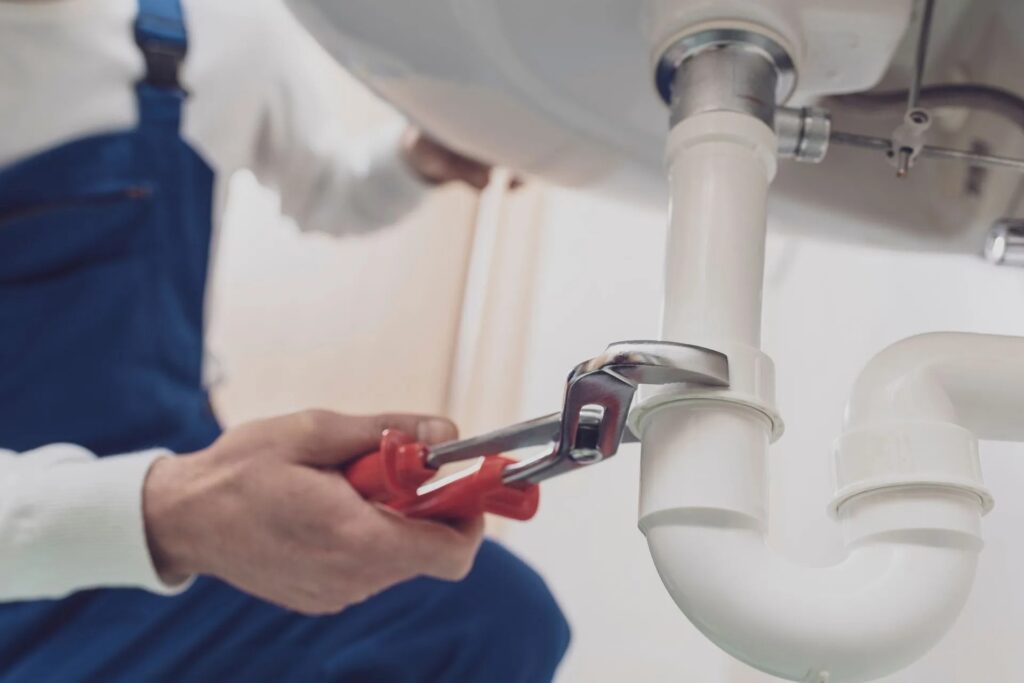
A kitchen plumbing remodel starts with shutting down and draining the existing supply and drain lines feeding the sink, dishwasher, and any ice maker or pot filler. From there it’s usually a combination of:
- Relocating or adding supply lines for a new island or peninsula sink, which often means opening the floor or basement ceiling below
- Running a dedicated gas line for a range or cooktop, sized correctly in BTUs for the appliance and not just tapped off the nearest existing line
- Venting for a new dishwasher or disposal, which has to tie into the existing stack correctly or you end up with slow drains and gurgling
- Swapping or upsizing the water heater if the new kitchen’s demand outpaces what’s currently installed
- Rough-in inspection before the walls close up, then final connections once countertops and cabinets are in
Most kitchens are without a working sink for a day or two during the rough-in phase, and we schedule that around your general contractor so you’re not caught without water longer than necessary.
Repair or Replace
Not every kitchen remodel needs all-new plumbing. If your supply lines and drain stack are copper or PVC in decent shape and you’re just updating a sink and faucet in the same footprint, there’s often no reason to touch what’s behind the wall. Chris will tell you flat out when a fixture swap or a partial re-pipe is enough, rather than selling a full re-route you don’t need.
Where replacement makes sense is when you’re moving the sink or island to a new location, when the existing lines are galvanized steel or old polybutylene, or when the water heater is undersized for the appliances going in. If your boiler is also handling domestic hot water and it’s original to a 1960s or 70s install, a kitchen remodel is often the right time to deal with that too, since the walls are already open.
What It Costs
Cost depends on how far the plumbing has to travel from its current location and whether gas is part of the job. Moving a sink a few feet, adding a dishwasher line, and swapping a faucet is a smaller job than relocating everything to an island in the middle of the room. Gas line work for a new range adds cost depending on the run length and whether we’re sizing up the main line to handle the added BTU load. {PRICE} is something Chris will walk you through once he’s seen the layout and the scope your contractor has planned.
How Long It Takes
A straightforward fixture and appliance swap in the same locations can be done in a single day. A full re-route with a new island sink, gas line, and water heater upsize typically runs a few days of plumbing work spread across the rough-in and final connection phases of the broader remodel, with inspection in between. We coordinate timing with your cabinet installer and countertop fabricator so the kitchen isn’t sitting half-finished waiting on plumbing.
Common Questions
Does Swampscott have natural gas available for a new range?
It depends on the street. Some parts of Swampscott have gas mains, others run on oil heat and don't have gas service at the curb. We check availability before quoting any gas range or cooktop install so you're not surprised mid-project.
Do I need to upsize my water heater for a kitchen remodel?
Only if the new kitchen adds real demand, like a second dishwasher or a larger family using hot water at the same time more often. If your current heater already keeps up, there's no reason to replace it just because the kitchen is new.
Can you work around my contractor's remodel schedule?
Yes. We coordinate rough-in and final connections around your cabinet and countertop timeline so the plumbing isn't the thing holding up the rest of the job.
Is well water a factor in kitchen plumbing here?
For the homes on private wells, yes. We treat filtration as part of the kitchen plumbing plan rather than an add-on, since it affects fixture longevity and water quality at the tap.
What happens to my old boiler if it's also heating my water?
Reach Out for Kitchen Plumbing Remodeling
If you’re planning a kitchen remodel in Swampscott and need the plumbing side sorted out before cabinets go in, call {PHONE}. We’re a Salem-based company and we work across Swampscott regularly, so we know the housing stock and what these older systems usually need.
Contact information
Talk to Chris
Chris runs the plumbing side of Belfiore and walks most Swampscott kitchen jobs personally before any quote goes out. He’ll look at what’s currently running to the kitchen, what your remodel plan calls for, and tell you straight what needs to change and what can stay. No pressure to add scope that doesn’t need adding.