
Kitchen Plumbing Remodeling in Rowley, MA
A lot of Rowley kitchens are still running on plumbing that was installed decades before anyone thought about a dishwasher, a pot-filler, or a second sink in an island. Add in a house on well water or an older oil-fired boiler feeding the domestic hot water, and a kitchen remodel here is rarely just about swapping a faucet. It’s about making sure the pipes, vents, and gas lines behind the wall can actually support the kitchen you want.
Kitchen Plumbing Remodeling in Rowley
Chris handles the plumbing side of every remodel Belfiore takes on in Rowley, from a single fixture swap to a full gut-and-rebuild. Kitchen remodeling plumbing means moving supply and drain lines to new locations, running gas for a range or a pot-filler, upsizing a water heater that’s been undersized for years, and tying in appliances that need their own dedicated lines. It’s detail work. Get the vent wrong on a relocated sink and you’ll hear it gurgle for the life of the house.
What Rowley Homes Typically Have
Rowley has a good number of older farmhouses and colonials, plus newer construction scattered in among them, so the plumbing behind the walls varies more than people expect. Many homes here are on private wells rather than town water, which changes how we approach fixture selection, water pressure, and filtration for the kitchen. Well water with iron or hardness issues will chew through a new faucet finish or dishwasher valve faster than most homeowners realize, so filtration comes up as a real conversation, not an add-on sale.
Heating is a mixed bag too. Natural gas isn’t run down every street in Rowley, and a fair number of homes still heat with oil, which means the domestic hot water often comes off an oil-fired boiler with an indirect tank, or from a standalone electric or oil water heater that’s been asked to do more than it was sized for. If gas is available at the street, a kitchen remodel is a good time to look at whether it makes sense to bring gas in for the range while we’re already opening up the wall.
Repair or Replace
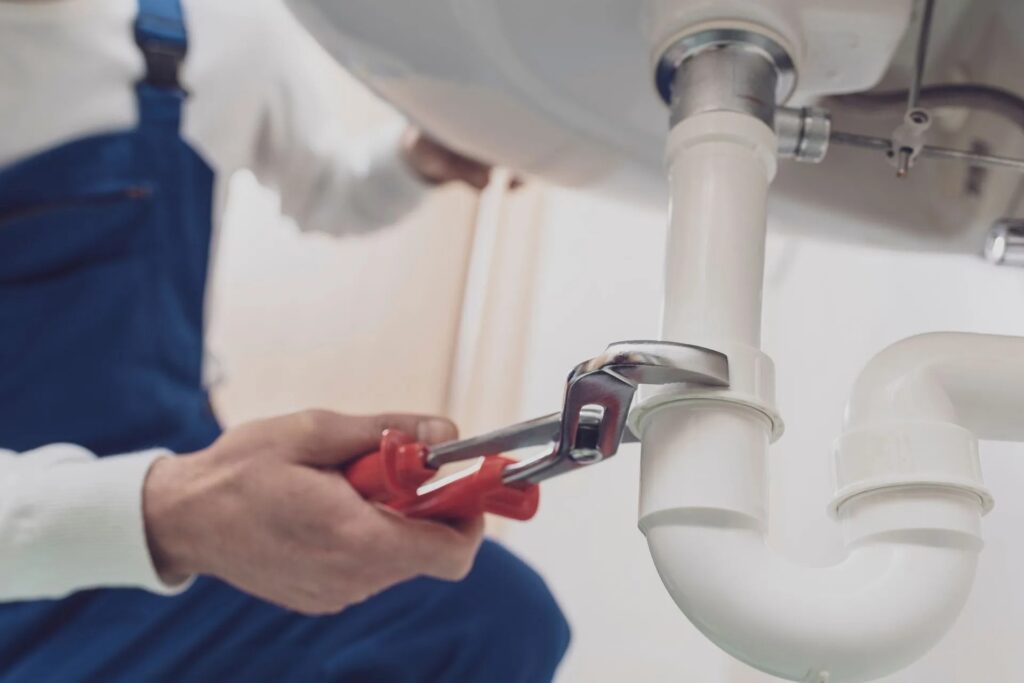
Not every remodel needs new supply lines or a new water heater. If your shutoff valves work, your pipe diameter is adequate, and the only reason to touch the plumbing is a new sink location, we’ll say so. Moving a drain a few feet and re-venting it is a smaller job than replacing galvanized supply lines throughout the kitchen, and we won’t sell you the bigger job if the smaller one solves the problem.
Where replacement earns its keep is when we open the wall and find old galvanized pipe rusting from the inside, a water heater that’s already near the end of its service life, or gas piping sized for a smaller range than what you’re installing. In those cases, doing it now while the wall is already open costs less than doing it twice.
What the Work Involves
Relocating a sink means capping the old drain, running new PVC or ABS to the new location, and confirming the vent still meets code distance from the trap. Adding a dishwasher or a second sink usually means a new branch off the existing drain and supply, sized correctly so you don’t lose pressure elsewhere in the kitchen. Gas work for a range means sizing the line in BTUs for the appliance, usually 3/4-inch black iron or CSST depending on run length and existing supply, then pressure testing before anything gets connected.
Water heater swaps or upsizes get drained, disconnected, and replaced, with venting checked against the new unit’s specs, since an oversized replacement in an undersized flue is a common mistake we correct. For most kitchens, you’re without water to that sink for a matter of hours rather than days, and if we’re touching the main shutoff for the house, we’ll tell you exactly when the water goes off and when it comes back on.
What It Costs
Cost depends on how much of the existing plumbing stays put versus how much moves. A straight fixture swap with no relocation is the least expensive end of the range. Moving a sink or adding a gas line for a range costs more because of the new piping and permitting involved. We’ll walk the kitchen with you, look at what’s accessible behind the walls and under the floor, and give you a number in {PRICE_RANGE} before any work starts, not after.
How Long It Takes
A fixture-only job can be done in a single visit. Adding a new gas line or relocating drain and supply lines for a sink or island typically runs a day or two of plumbing work, done in coordination with the cabinet and countertop schedule so we’re not making a mess of finished work. If the job is part of a larger remodel with a general contractor, we’ll work off their timeline rather than making you manage two schedules.
Common Questions
Can Belfiore add a gas line for a new range during a Rowley kitchen remodel?
Yes, if gas service is available at your street. We'll size the line for the new appliance's BTU rating, run it in black iron or CSST depending on the path, and pressure test it before hookup. If your home is on oil with no gas service, we'll talk through electric range options instead.
My Rowley home is on well water. Does that affect kitchen plumbing?
It can. Well water with iron, sediment, or hardness will shorten the life of new faucets, dishwasher valves, and ice makers. During a remodel we'll look at whether a point-of-use filter under the sink or a whole-house treatment makes more sense for your water quality.
Do I need to replace my water heater if I'm remodeling the kitchen?
Not automatically. If your current unit is properly sized and in good condition, adding a kitchen fixture or two usually doesn't require a replacement. We only recommend it when the existing unit is undersized, near the end of its life, or when new demand from added fixtures would strain it.
How long will my kitchen be without water during the plumbing work?
Most kitchen remodel plumbing is done in a matter of hours per fixture, not days. If we need to shut off water to the whole house for part of the job, we'll give you an exact window in advance so you can plan around it.
Does Belfiore work with my general contractor on a Rowley remodel?
Reach Out for Kitchen Plumbing Remodeling
Belfiore is a Salem-based company working across Rowley and the rest of the North Shore. We handle the plumbing scope for kitchen remodels of every size, from a single sink move to a full rebuild with new gas, new supply, and a new water heater. Reach out at {PHONE} to get a plumber’s eyes on your project before the walls close up.
Contact information
Talk to Chris
If you’re planning a kitchen remodel in Rowley and want the plumbing scoped out before you finalize a layout, call Belfiore at {PHONE}. Chris will look at your current setup, tell you what’s worth keeping and what isn’t, and give you a straight answer on gas, water heater sizing, and well water filtration if that applies to your house.