
Kitchen Plumbing Remodeling in Ipswich, MA
A lot of Ipswich kitchens still run on plumbing that was updated once, decades ago, and never touched again. That means galvanized or early copper supply lines feeding a new sink, an undersized water heater trying to keep up with a dishwasher and a soaking tub, and in plenty of cases a well system that has never had real filtration ahead of the kitchen fixtures. If you are planning a kitchen remodel in Ipswich, the plumbing behind the walls usually needs more thought than the finishes in front of them.
Kitchen Plumbing Remodeling in Ipswich
Chris handles the plumbing side of kitchen remodels across Ipswich, from a straightforward sink and dishwasher swap to a full gut where the island moves, the range goes gas, and the water heater gets replaced at the same time. Ipswich has a lot of older, well-built homes, and that means the plumbing underneath a kitchen renovation is rarely a copy-paste job. Supply lines, drain routing, and vent stacks all get checked against what the new layout actually needs before anything gets cut open.
What Ipswich Homes Typically Have
Ipswich has one of the largest concentrations of First Period and colonial-era housing on the North Shore, and it shows in the plumbing. Homes built before the 1960s commonly still have a mix of galvanized steel and older copper supply lines, cast iron drain stacks, and heating systems that were converted or added onto more than once over the years. Steam and hot water boilers are both common here, and a fair number are original to a mid-century oil conversion, not a modern high-efficiency unit.
Water source varies more in Ipswich than in denser North Shore towns. Parts of town are on the municipal water system, but a real share of homes, especially out toward the Essex and Hamilton lines, are on private wells with their own pressure tanks and, in many cases, no filtration at all ahead of the kitchen. Gas availability is uneven too. Some streets have natural gas service, others run entirely on oil or propane, and that changes what is realistic for a new gas range or a tankless water heater tied into the remodel.
What the Work Involves
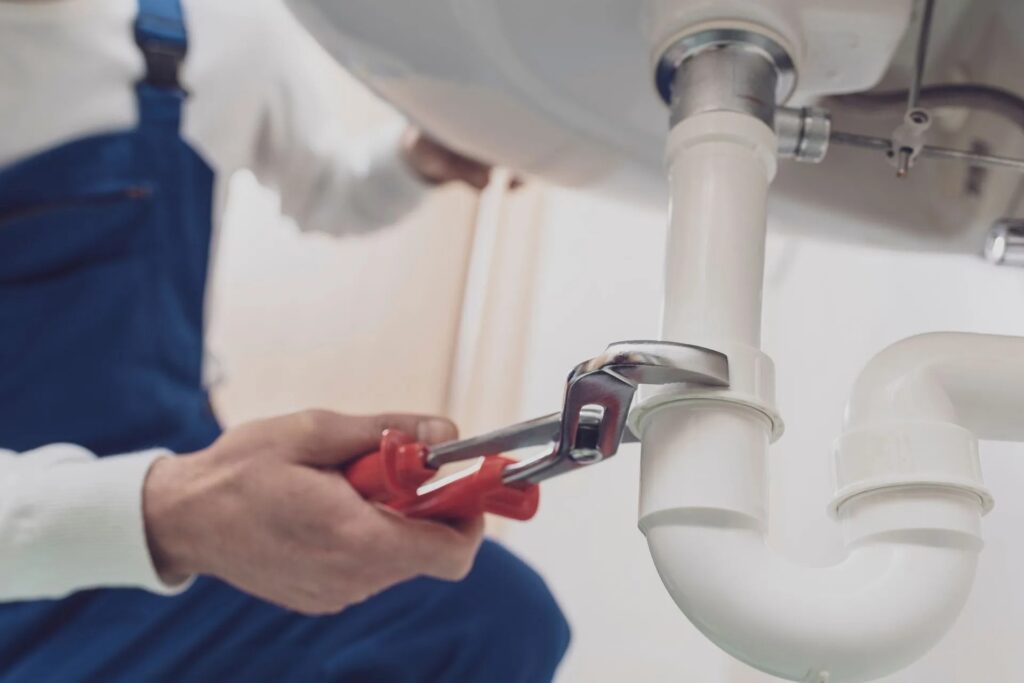
Kitchen plumbing during a remodel touches more than the sink. Supply lines for the sink, dishwasher, refrigerator ice maker, and any pot filler or beverage tap need to be run or relocated, usually in 1/2-inch copper or PEX depending on what is already in the wall. Drain lines have to be reworked to match the new layout, which often means moving the trap and adjusting the vent so it still passes code, not just running a longer horizontal line and hoping it drains.
If a gas range is part of the plan and gas is already on the street, that means sizing a new branch line off the existing supply, whether that is black iron pipe or CSST, and confirming the meter and regulator can handle the added load. If you are on oil or propane only, converting to a gas range is a bigger conversation about whether gas service can even be brought to the house, and we will tell you honestly if it is not practical for your situation.
For most kitchen plumbing work, water to the kitchen is off for the work day, not the whole house. Isolating the branch lines to the kitchen means the rest of the house keeps running water while the new rough-in gets tied in and pressure tested.
Repair or Replace
Not every kitchen remodel needs all-new plumbing. If your supply lines and drain are copper or PEX and in good condition, Chris will often recommend reusing them and just relocating fixtures, which saves you money and keeps the job simpler. Galvanized supply lines, on the other hand, are usually worth replacing during a remodel even if they are technically still working, because they are corroding from the inside and you will not get another chance to open that wall without real cost.
The same logic applies to the water heater. If yours is a few years into a reasonable lifespan and sized correctly for the house, there is no reason to replace it just because the kitchen is getting new fixtures. If it is already undersized or near the end of its life, doing it during the remodel, while the wall is open and the plumber is already on site, is the point where it makes the most sense.
What It Costs
Kitchen plumbing cost during a remodel depends on how much of the layout changes. Reusing existing supply and drain locations for new fixtures is the least expensive path. Moving the sink to an island, adding a second prep sink, or converting to a gas range where gas is not currently run to the kitchen adds real labor and material cost. Chris gives you a written number after seeing the layout and the existing lines, not a phone estimate, because guessing on a remodel usually means guessing wrong. Call {PHONE} to get a look scheduled.
How Long It Takes
A straightforward sink, dishwasher, and faucet swap with no layout changes is usually a one-day plumbing job. Moving a sink or adding a gas line for a new range typically adds a day or two, mostly for running new lines and pressure testing before the walls close up. On a full kitchen remodel, the plumbing rough-in generally happens early, alongside framing and electrical rough-in, with a return trip near the end to set fixtures once cabinets and countertops are in. Chris coordinates timing with your contractor so the plumbing does not become the thing holding up the rest of the job.
Common Questions
Do you need to shut off water to the whole house during a kitchen remodel?
Usually not. Chris typically isolates the kitchen with the nearest shutoff valves, so the rest of the house keeps running water while the new sink, dishwasher line, or ice maker line goes in. Whole-house shutoffs are only needed for short stretches, like when tying into the main.
Can you add a gas line for a new range during a kitchen remodel?
If gas runs to the house already, yes, in most cases. It comes down to sizing the branch line correctly off the existing supply and running it to code, whether that is black iron or CSST. If the home is on oil or propane only, we walk through what a gas range conversion would actually take before you commit to it.
What if my cabinets are already ordered before you look at the plumbing?
That is common and workable. Chris can review the layout against your existing supply and drain locations before demo starts, so there are no surprises about moving a stack or drain line once the old cabinets are out.
Is well water a problem for a new kitchen faucet or dishwasher?
Not on its own, but hard water and sediment shorten the life of new fixtures fast if there is no filtration ahead of them. If your home is on a well, it is worth a look at what is feeding the kitchen line before new fixtures go in.
Do you handle the whole kitchen remodel or just the plumbing?
Reach Out for Kitchen Plumbing Remodeling
Whether you are updating a single sink or repiping a full kitchen as part of a larger renovation, Belfiore can walk the space with you and lay out what the plumbing side actually requires. We work across Ipswich and the rest of the North Shore, and we will give you a straight answer about what needs replacing and what does not. Call {PHONE} to set up a visit.
Contact information
Talk to Chris
Chris runs the plumbing side of Belfiore Home Services and looks at kitchen remodels across Ipswich regularly enough to know what the older housing stock here tends to hide behind the walls. If you are early in planning, even before cabinets are ordered, it is worth having him look at the layout against your existing supply and drain lines so there are no surprises once demo starts.