
Kitchen Plumbing Remodeling in Danvers, MA
A lot of Danvers kitchens still run on plumbing that was never sized for a dishwasher, a pot filler, and an ice-making fridge all pulling at once. Add in a house on well water or an old galvanized branch line feeding the sink, and a straightforward remodel turns into a repipe pretty fast.
Kitchen Plumbing Remodeling in Danvers
Kitchen remodels in Danvers come in two flavors: the cosmetic swap where the layout stays put, and the full gut where the sink moves across the room and the island gets a prep sink nobody planned the rough-in for. Both need a plumber who can look at the existing supply and waste lines and tell you honestly what’s staying and what’s coming out. We work jobs across Danvers from Tapley Street to the Putnamville side of town, and the housing stock tells you a lot before we even open a wall.
What Danvers Homes Typically Have
Danvers has a real mix. You’ve got early-1900s farmhouses and colonials near the center of town, mid-century capes and ranches further out toward Route 1, and a good number of two-family conversions from the postwar building boom. Kitchens in the older homes were often remodeled once already in the 1970s or 80s, which usually means galvanized supply lines patched into copper, or copper patched into PEX, with none of it sized for modern fixtures.
Most of Danvers is on town water, but there are pockets, especially toward the Middleton and Topsfield lines, still on private wells. If you’re on a well, a kitchen remodel is the right time to deal with iron staining or sediment with proper filtration, not as an upsell but because it protects the new fixtures you’re about to pay for. Gas availability also varies by street. Some Danvers neighborhoods have gas at the curb and others are still oil-fired, which matters if you’re adding a gas range or a pot filler and need to know whether that’s a simple tap-in or a bigger conversation about running new gas piping.
What the Work Involves
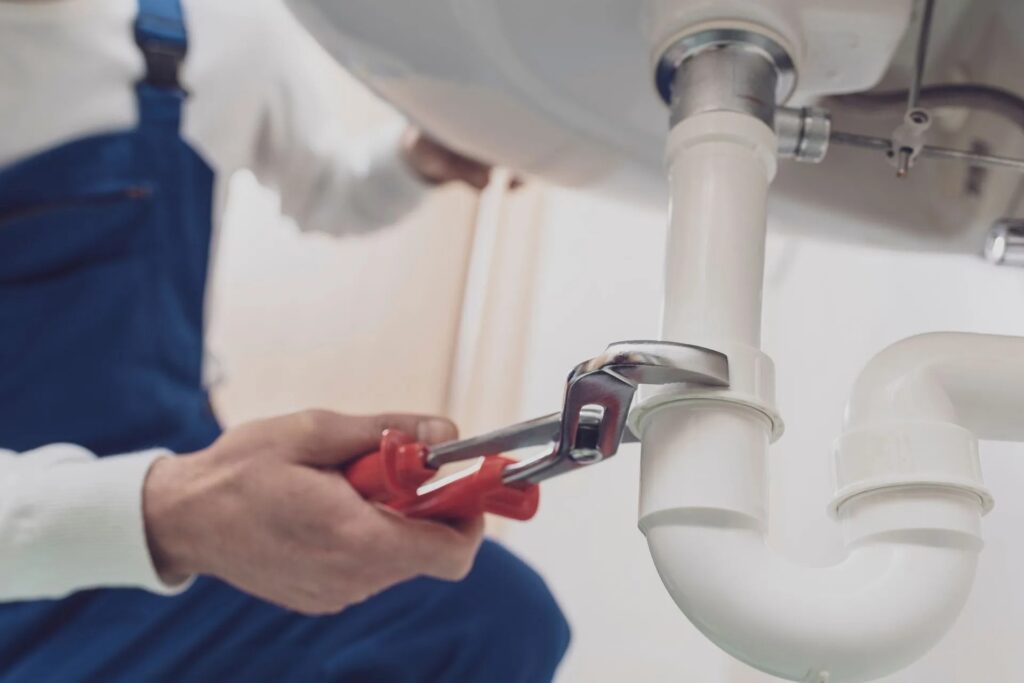
A kitchen plumbing remodel usually starts with shutting down and draining the supply lines to the sink, dishwasher, and any ice line to the fridge. If the layout is changing, that means new drain and vent runs, and every relocated fixture needs to tie into the existing vent stack correctly or you’re looking at slow drains and gurgling down the road. Moving a sink across a kitchen is rarely just moving a pipe. It’s re-venting, and sometimes it means running a new branch to the stack in the basement or crawlspace.
Dishwasher installs need a dedicated supply line, a proper air gap or high loop on the drain side, and in older Danvers homes, often a new shutoff valve since the original one under the sink hasn’t turned in twenty years. Gas ranges and pot fillers need the line sized correctly, typically 1/2 inch black iron or CSST run to the appliance, and if you’re adding load to an existing gas system we check total BTU demand against what the meter and regulator can actually deliver. None of this needs to leave your kitchen unusable for a week. Most rough-in and rework happens in a day, with a return trip for fixture set once counters and cabinets are in.
Repair or Replace
Not every kitchen remodel needs new plumbing throughout. If the existing supply lines are copper and in good shape, we’ll often leave them alone and just extend or tie in new runs to the moved fixtures. Chris will tell you straight when a valve replacement or a spot repair solves the problem instead of pushing a full repipe. Where we do push back is on galvanized lines feeding a kitchen that’s about to get a garbage disposal and a dishwasher on the same branch. That pipe is already restricting flow from corrosion, and adding load to it is asking for a callback in a year. That’s the kind of thing worth replacing now, while the wall is already open, rather than paying labor twice.
What It Costs
Cost depends mostly on whether the layout is staying the same or moving. A like-for-like fixture swap, new sink, faucet, disposal, dishwasher hookup on existing lines, is the smaller end of the job. Moving the sink or adding an island prep sink means new drain and vent work, which adds both material and labor. Gas line additions for a range or pot filler add cost based on run length and whether the existing gas meter has capacity or needs an upgrade. We’ll walk the space with you and give you a number based on what’s actually behind your walls, not a phone estimate. Ask us for specifics: {PHONE}.
How Long It Takes
A straightforward fixture swap on existing lines is usually a single day. A remodel where the sink location is changing typically runs one to two days for the plumbing rough-in, then a shorter return visit once cabinets and countertops are set to connect final fixtures. If a gas line addition is part of the job, that’s often a separate half-day for the run itself plus permitting and inspection, which we schedule around your contractor’s timeline so the kitchen isn’t sitting half-finished waiting on us.
Common Questions
Do I need to replace all the plumbing if I'm remodeling my kitchen in Danvers?
No. If your existing supply lines are copper or PEX and in decent shape, we typically extend or tie into them rather than replace everything. Galvanized lines are the exception since they're usually already restricted with corrosion.
Can I add a gas range if my Danvers home doesn't currently have gas in the kitchen?
It depends on whether gas service runs to your street. Some parts of Danvers are gas-fed and others are still oil-only. We'll check what's available at the meter and give you a straight answer on whether it's a simple tap-in or a bigger job.
Is well water a problem for new kitchen fixtures?
It can be if there's iron or sediment in the water. A remodel is a good time to add filtration ahead of your new fixtures so you're not dealing with staining or clogged aerators right out of the gate.
How long will my kitchen be without water during the remodel?
Usually just the day of the rough-in work. If the sink location isn't moving, it can be a matter of hours. We coordinate with your contractor so water is off only as long as it needs to be.
Do I need a permit for kitchen plumbing work in Danvers?
Reach Out for Kitchen Plumbing Remodeling
If you’re at the planning stage or already mid-renovation and need a plumber to sort out what’s staying and what’s getting replaced, call {PHONE}. We’ll look at the space, tell you what your existing lines can handle, and give you a straight plan for the fixtures and gas work you’re adding.
Contact information
Talk to Chris
Chris runs the plumbing side of the business and has been in enough Danvers kitchens to know which streets tend to have galvanized still in the walls and which have already been repiped. If you’re planning a remodel, get him in before demo starts so the plumbing plan is set before the cabinets get ordered, not after.