
Home Rewiring in Swampscott, MA
Home Rewiring in Swampscott
A lot of Swampscott’s housing stock went up between the 1890s and the 1930s, back when a house was wired for a few ceiling lights and maybe one outlet per room. That original wiring, or whatever patched-together version of it survived the decades, was never sized for central air, a range of kitchen appliances, and a house full of chargers. If your panel still reads 60 amps or your outlets have two prongs and no ground, you’re not imagining the problem. You’re living with a service built for a different century.
Why Swampscott Homes Need This
Swampscott has some of the highest-value, oldest housing stock in our service area, and that combination brings specific wiring problems. Cloth-insulated wiring and knob and tube are still live in a real number of these homes, especially in the sections built before the 1950s. Both were fine for their era and both are a liability now: the insulation cracks with age, neither is grounded, and insurance carriers increasingly flag them at renewal or refuse to write a policy until they’re replaced.
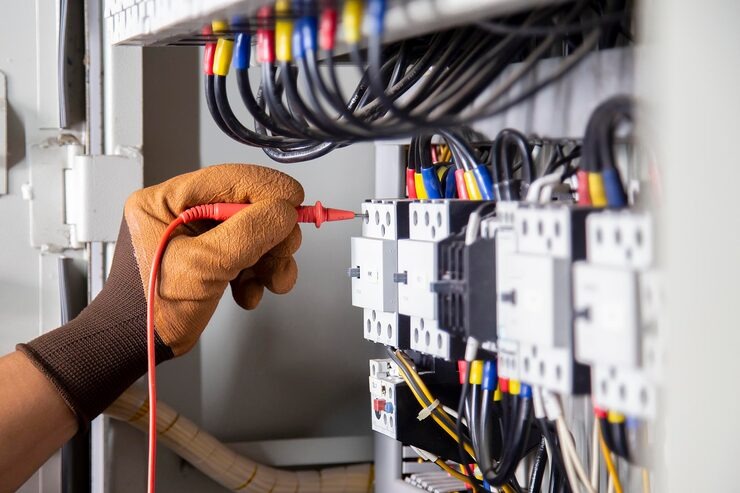
On top of the old wiring itself, a lot of these houses still run on 60 amp electrical services, sometimes through Federal Pacific or Zinsco panels. Both of those panel brands have a documented history of breakers that fail to trip when they should, which is a fire risk, not just an inconvenience. Add in coastal salt exposure eating away at anything mounted outside, and generator interest running high here because of how often winter nor’easters knock out power along the water, and you’ve got a town where whole-house rewiring comes up more than almost anywhere else in our footprint. Swampscott’s tight lots and older foundations also mean access for equipment and material staging takes more planning than a typical suburban rewire.
What the Work Involves
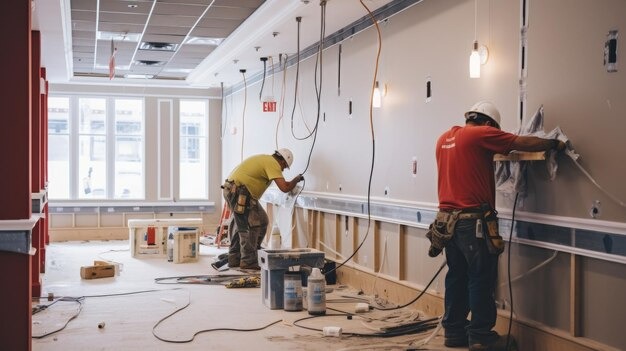
A full rewire means running new copper conductors, properly sized for the loads you actually run today, to every outlet, switch, and fixture in the house. The old cloth or knob and tube wiring gets removed or abandoned in place per code, depending on accessibility. Power has to be shut off for the work, and depending on the scope that can mean the whole house is down for a full day or split across a couple of days if we’re phasing it room by room to keep part of the house livable.
Some of this is on us, some is on the utility. We handle the interior wiring, the panel work, device replacement, and coordination with the inspector. National Grid handles the service drop and meter connection on their end if the service size is changing. Everything gets inspected before walls close back up, and again before the new service goes live, so there’s a documented record that the work meets current code, not just that it looks finished.
What It Costs
A whole-house rewire in Swampscott generally runs {PRICE_LOW} to {PRICE_HIGH}, and the spread is wide because the variables are wide. Square footage matters, obviously, but so does what’s behind your walls. A house with open-joist basement access and no plaster and lath is a different job than a 1910 Colonial with horsehair plaster and finished ceilings on every floor. Panel upgrades, whether you need a new 200 amp service, additional dedicated circuits for a kitchen or a heat pump, and any generator interlock or transfer switch work all move the number too. We walk the house, look at what we’re actually dealing with, and give you a written number before anything gets opened up.
How Long It Takes
Most whole-home rewires run one to two weeks depending on size and how much of the house is finished versus open framing. A smaller cape with basement and attic access on both ends might be closer to five or six working days. A larger antique with finished plaster throughout and tight crawl spaces takes longer because every run has to be fished carefully instead of dropped straight through open joist bays. We’ll give you a realistic schedule up front, including which days the power will actually be off, so you can plan around it instead of guessing.
Permits and Inspection
Rewiring is permitted work in Massachusetts, full stop. We pull the permit, the town inspector reviews the rough-in before insulation and drywall go back, and there’s a final inspection before the new panel or service is energized. That paper trail matters more than people think. It’s what your insurance company and any future buyer’s inspector will want to see, and it’s the difference between a licensed electrician’s work and whatever a handyman did off the books. Brandon holds the electrical license the work runs under, and every job gets filed with the town, no exceptions.
Common Questions
How do I know if my Swampscott house has knob and tube wiring?
Check your attic or basement for exposed wiring running through white ceramic knobs and tubes, with individual cloth-covered conductors rather than a single sheathed cable. If your house was built before the 1940s and hasn't had a documented rewire, there's a good chance at least part of it is still there, even if some rooms were updated over the years.
Will my homeowners insurance require a rewire?
Many insurers in Massachusetts now decline to write or renew policies on homes with active knob and tube wiring or Federal Pacific panels, or they require it be addressed within a set window after inspection. It's worth checking with your carrier directly, since policies vary.
Can you rewire part of the house instead of all of it?
Yes. Some homeowners phase it, doing the kitchen and panel first, then finishing upper floors later. It costs a bit more overall than doing it all at once, but it spreads the expense and the disruption.
Do I need to move out during the rewiring?
Usually not, but expect the power to be off for stretches during the work, and some rooms may be inaccessible while walls are opened. We plan the sequence to keep at least part of the house usable where possible.
What panel size should I upgrade to?
Most Swampscott homes moving off a 60 amp service go to 200 amps, which covers central air, an EV charger down the road, and a generator interlock without maxing out the panel. Brandon will size it to your actual loads, not just a default number.
Reach Out for Home Rewiring
If your Swampscott home still has knob and tube, a 60 amp panel, or two-prong outlets with no ground, it’s worth an honest look before you add anything else to that circuit. Call {PHONE} and we’ll set up a time to come through the house, check the panel and the wiring you’ve got, and put a real plan and number in front of you.
Contact information
Talk to Brandon
Brandon is the electrician side of Belfiore. He left union work to run this side of the family business, and he’s the one who’ll actually walk your Swampscott house, open the panel, check what’s behind a couple of outlets, and tell you straight whether you’re looking at a full rewire or a smaller scope. No sales pitch, no upsell script. Just what he finds and what it means for your house.