Generator Installation and Connection in Reading, MA
Generator Installation and Connection in Reading
A lot of Reading homes were built with a 100 amp service and a furnace or an early forced hot water boiler in the basement, back when the biggest electrical draw in the house was the refrigerator. Now that same panel is running a heat pump, a sump pump, a home office, and maybe an EV charger, and none of it stays on when a nor’easter takes the neighborhood down for two days. A standby generator wired into the panel with a proper transfer switch is the fix, and it is one of the more common calls we get from this side of the North Shore.
Why Reading Homes Need This
Reading sits far enough inland to avoid flooding but not far enough to avoid the wind. Tree-lined streets off South Street and around Wood End mean branches on lines every time a storm rolls through, and the outages that follow can run well past a day. Add finished basements, sump pumps that need to keep running, and heat pump systems that do not tolerate long cold-weather shutdowns well, and a generator stops being a luxury and starts being basic protection for the house.
Housing stock here spans a wide range. Older sections still have 60 amp or 100 amp services, some with the original fuse panels or early breaker panels that were never built with a generator connection in mind. Newer construction and additions usually carry 200 amp service already, which makes the generator hookup more straightforward. Either way, we check the panel before we quote anything, because a service upgrade sometimes has to happen first.
What the Work Involves
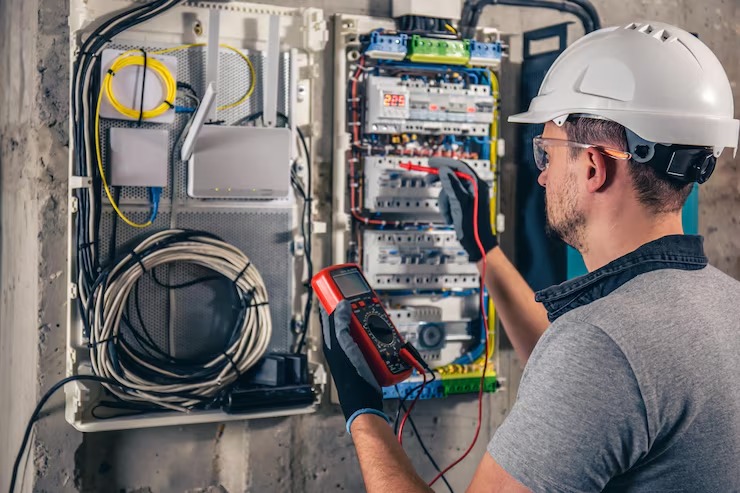
Brandon starts by sizing the load. That means going through what actually needs to stay powered during an outage: heat, refrigeration, sump pump, some lighting and outlets, maybe the well pump or a garage door opener. That load calculation decides whether a portable or a standby unit makes sense, and if it is standby, what size generator you actually need rather than what a salesperson wants to sell you.
The electrical side involves installing a transfer switch, either manual or automatic, between the utility meter and your panel. This switch is what keeps generator power and utility power from ever meeting on the same wires at the same time, which is a real safety issue, not a formality. For a standby unit, we also run the wiring from the generator pad location to the transfer switch and coordinate the gas or propane line sizing with a licensed plumber or gas fitter if one is needed.
The utility company’s part is limited to their meter and service drop. They do not install your transfer switch or your interior wiring. That is licensed electrical work, and in Massachusetts it has to be done by someone holding an electrician’s license, not a generator sales company subcontracting the job out.
What It Costs
A manual transfer switch setup with a portable generator typically runs {PRICE_LOW} to {PRICE_MID}, depending on switch size and how far the wiring run is from your panel. A full automatic standby system, including the transfer switch, wiring, and coordination with the gas or propane installer, generally lands between {PRICE_MID} and {PRICE_HIGH}. The generator unit itself is a separate cost from the electrical installation, and the biggest variable on our end is panel condition. A newer 200 amp panel keeps the job simple. An older fuse box or undersized panel adds a service upgrade to the scope before the transfer switch can even go in.
How Long It Takes
A manual transfer switch install is usually a one-day job. Power to the house is out for a couple of hours while the switch gets tied into the panel and tested. A full automatic standby installation takes longer, generally two to three days spread across the electrical work, the gas line coordination, and the pad or pour for the generator itself. The permit and inspection add time on the front and back end, so plan on scheduling a few weeks out if you want the unit running before the next storm season.
Permits and Inspection
Generator installations are permitted work in Massachusetts, and Reading’s inspector signs off on both the electrical connection and, for standby units, the gas or propane line. This is not paperwork for its own sake. The inspection confirms the transfer switch is wired correctly and that there is no way for generator power to backfeed onto utility lines, which protects utility crews working on the pole outside your house as much as it protects your own equipment. Belfiore pulls the permit, schedules the inspection, and handles it as part of the job rather than leaving it to you to sort out afterward.
Common Questions
Do I need a permit for a generator in Reading?
Yes. Both the electrical transfer switch connection and, for standby units, the gas or propane line require permits and inspection under Massachusetts code. Belfiore handles the permit filing and schedules the inspection as part of the job.
Can my existing panel handle a generator connection?
It depends on the panel. Many Reading homes on 200 amp service can take a transfer switch without other changes. Older 60 or 100 amp services, or panels with fuses instead of breakers, often need a service upgrade first. Brandon checks the panel before quoting the job.
What size generator do I actually need?
It comes down to what you want to keep running during an outage. A small portable unit can carry a refrigerator, sump pump, and some lighting. A whole-house standby unit can carry the furnace or heat pump, well pump, and most circuits in the house. We size it off a real load calculation, not a guess.
How is a generator different from just adding an EV charger circuit?
An EV charger is a dedicated circuit pulling power from your existing service. A generator installation adds a second power source to the house entirely, with a transfer switch to keep it isolated from utility power. Some Reading homes need both, and if your panel is already at capacity, that changes the order the work should happen in.
Reach Out for Generator Installation
If the last outage left you running extension cords to a space heater or watching a sump pump alarm with no way to keep it running, call {PHONE}. We will look at your panel, walk through what your house actually needs backed up, and give you a straight answer on scope and cost before any work starts.
Contact information
Talk to Brandon
Brandon handles the electrical side of every generator job we take on in Reading, from the initial load calculation through the transfer switch install and the inspection. If you already have a generator picked out, bring the spec sheet and he will tell you straight whether your existing panel can handle it or whether a panel upgrade needs to happen first.