
Generator Installation and Connection in Nahant, MA
Generator Installation and Connection in Nahant
Most houses on this island were built long before anyone worried about a whole-house generator, and a lot of them were wired for a electric range and some lights, not a sump pump, a boiler circulator, and a refrigerator all trying to run at once during a nor’easter. When the power drops on the causeway side of Nahant, it can stay down longer than it does a few miles inland, and that is the reason so many homeowners here are finally looking at a permanent standby unit instead of dragging a portable generator out of the garage every time the wind picks up.
Why Nahant Homes Need This
Nahant sits out on its own peninsula, and that geography cuts both ways. It is part of what makes the town desirable, and it is also why outages here tend to run longer than they do in Salem or Peabody. Wind off the water takes down tree limbs and lines, and because there is only the one road in and out, utility crews sometimes reach the island later than they reach denser neighborhoods on the mainland.
The housing stock adds to it. A good share of Nahant’s homes date to the early and mid twentieth century, and it is common to find a 60 amp or 100 amp service still in place, sometimes paired with a Federal Pacific Stab-Lok or Zinsco panel that was never a great design to begin with and is now decades past its intended life. Add central air, an EV, or an electric water heater to that kind of panel and there is nothing left to spare for a generator transfer switch without an upgrade first. On the older cottages closer to the water, salt air also takes a toll on anything mounted outside – meter bases, disconnects, and generator enclosures corrode faster here than they do a few towns inland, so the equipment and hardware we spec for a Nahant install are chosen with that in mind.
What the Work Involves
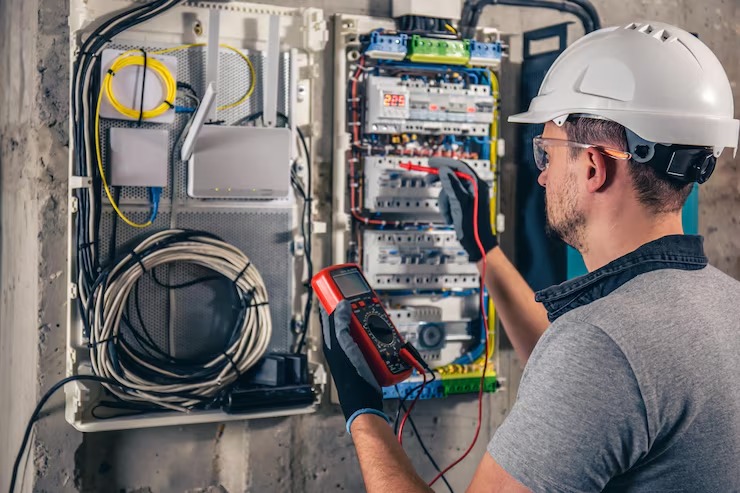
A standby generator installation starts with a load calculation, not a sales pitch. Brandon walks the panel, checks the service size, and figures out what actually needs to run during an outage – heat, well or sump pump if you have one, refrigeration, some lighting and outlets – versus what can wait. That determines whether you need a 14kW unit or a 22kW unit, and whether an automatic transfer switch handles the whole panel or just a dedicated sub-panel of essential circuits.
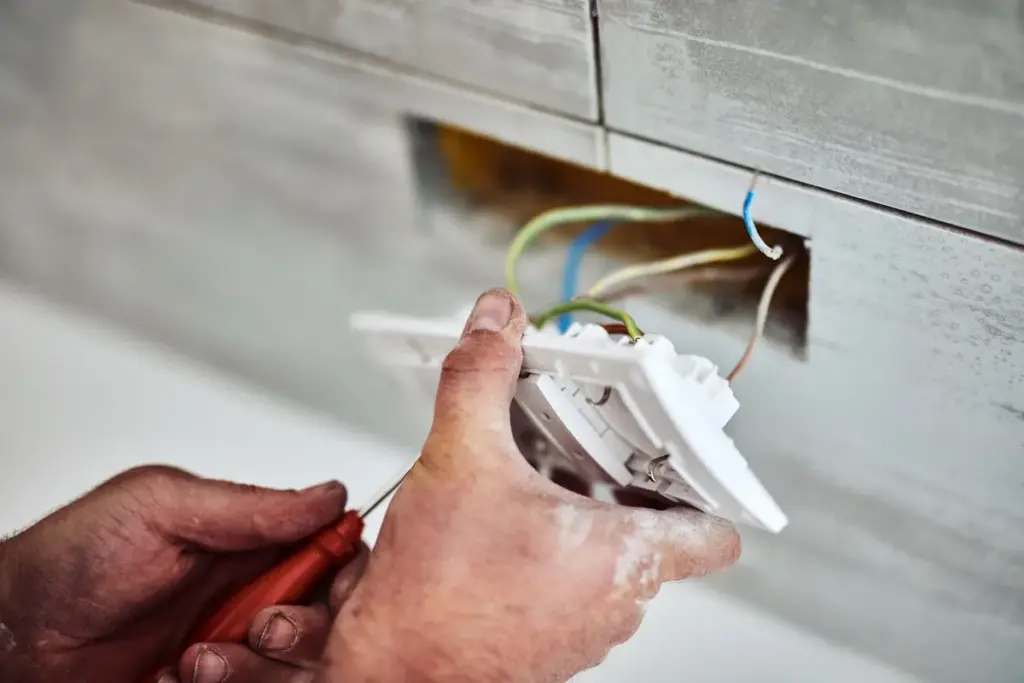
On installation day, the utility service has to be de-energized before any connection work happens at the meter or panel, which typically means a scheduled outage of a few hours, not days. Brandon sets the transfer switch, runs the wiring between the switch, the panel, and the generator pad, and connects the gas or propane line sizing to the manufacturer’s spec – undersized gas piping is one of the more common reasons a standby unit underperforms. The unit itself gets mounted on a composite pad, sited to meet clearance requirements from windows, doors, and property lines, and wired with a dedicated circuit for battery maintenance and block heater where applicable. Once everything is connected, the system runs through a startup test and a transfer test so you can watch it pick up the house load exactly as it will during a real outage.
What It Costs
A whole-house standby generator installation in Nahant generally runs between {PRICE_LOW} and {PRICE_HIGH}, and the spread comes down to a few real variables: the size of the unit needed for your load, whether your existing panel and service size can support the transfer switch as-is or need upgrading first, how far the generator has to sit from the house and gas source, and site access – tight coastal lots with narrow side yards sometimes mean more labor to get the pad and gas line run where they need to go. A portable generator interlock or manual transfer switch setup, if that is the right fit for your house, costs less than a full automatic standby system. Brandon gives you the number after he has seen the panel and the site, not before.
How Long It Takes
A straightforward standby generator installation on a home with an adequate existing service usually takes one to two days of on-site work, plus a scheduled outage window of a few hours for the utility disconnect and reconnect. If the job also requires a panel upgrade or a new dedicated circuit for gas line work, plan on an extra day. Permit review and the town inspection add time on the front and back end, which is normal and part of doing the work correctly.
Permits and Inspection
Generator installations are permitted electrical work in Massachusetts, full stop. Brandon pulls the permit, the wiring and transfer switch installation gets inspected against the Massachusetts Electrical Code, and the gas or propane connection is inspected separately if it applies. This is not paperwork for its own sake – it is what confirms the transfer switch is wired so the generator can never backfeed onto utility lines, which is a real safety hazard to utility workers and to your own house. Unlicensed generator hookups skip this step, and it is the single biggest reason to avoid one. [EXTERNAL LINK: Massachusetts Board of State Examiners of Electricians – electrical permit and inspection requirements]
Common Questions
Can I install a generator myself and just have an electrician hook it up?
The transfer switch connection and any panel work has to be done by a licensed electrician and inspected, regardless of who supplies the generator. Improper backfeed from a DIY hookup can injure utility line workers, so this isn't a place to cut corners.
Do I need a whole-house generator, or is a portable enough?
It depends on what you need to keep running and how long outages typically last on your part of Nahant. A portable with a manual interlock covers the basics for shorter outages at a lower cost. A whole-house standby unit with an automatic transfer switch handles longer outages without you having to be home to start it.
What size generator do I need for a typical Nahant home?
It depends on your heating system, whether you have well or sump pump equipment, and how much of the house you want covered. Brandon calculates the actual load on your panel rather than guessing off square footage, and sizes are commonly 14kW to 22kW for full-house coverage.
My panel is a Federal Pacific or Zinsco brand. Can a generator still be added?
Those panel types are a known safety concern on their own, generator or not, and most installations will call for a panel replacement first. Brandon will tell you plainly if that's the case before any generator work is scheduled.
How close to the house can the generator sit?
Manufacturer specs and the Massachusetts Electrical Code set minimum clearances from windows, doors, and property lines, and those distances get tighter to work with on Nahant's smaller coastal lots. Brandon confirms placement during the site visit before anything is ordered.
Reach Out for Generator Installation
If you’re tired of losing power every time a storm rolls off the water, call {PHONE} and set up a time for Brandon to look at your panel and your property. We work across Nahant and the rest of the North Shore, and we’ll give you a straight answer on what a generator setup looks like for your specific house, not a generic quote.
Contact information
Talk to Brandon
Brandon is the licensed electrician at Belfiore, and generator work is a conversation he’d rather have in person on your porch than over the phone with guesses. He’ll look at your panel, ask what you actually want covered during an outage, and tell you straight whether your existing service can take a transfer switch or needs an upgrade first. No pressure to go bigger than what your house needs.