Generator Installation and Connection in Middleton, MA
Generator Installation and Connection in Middleton
A lot of Middleton is wooded lots and long driveways off the main roads, which is exactly the layout that loses power first when a nor’easter or a summer microburst comes through. Add in a well pump, a finished basement, and maybe a heat pump that’s now your primary heat source, and a few hours without power stops being an inconvenience and starts being a real problem. Brandon handles the electrical side of standby and portable-ready generator installs here – the transfer switch, the wiring, the connection to your panel, all permitted and inspected.
Why Middleton Homes Need This
Middleton’s housing stock spans a wide range of eras, and that matters for generator work. Older farmhouse-era homes near the town center sometimes still carry 100 amp services, occasionally less, and a handful still have cloth-insulated branch circuits or a panel that was never touched after the last renovation. Newer construction out toward the larger lots usually has 200 amp service, but even that gets stretched thin once you add a heat pump, a hot tub, and an EV charger to a house that was only wired for baseboard heat and a dryer.
Then there’s the tree cover. Middleton has more overhead line exposure per household than towns with buried utilities, and that means outages here tend to run longer, not shorter. A generator connection isn’t a luxury add-on in a town like this – it’s what keeps your sump pump, your furnace board, and your refrigerator running while National Grid works down a long list of downed lines.
What the Work Involves
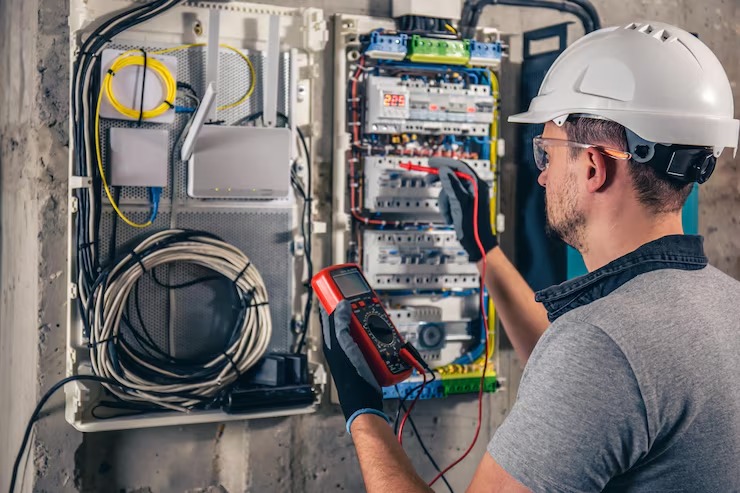
The job starts with a load calculation. Brandon walks your panel and figures out what actually needs to run during an outage – heat, well pump, refrigerator, some lighting and outlets – versus what can sit off. That determines whether you need a whole-house automatic standby unit or a smaller unit on an interlock or manual transfer switch.
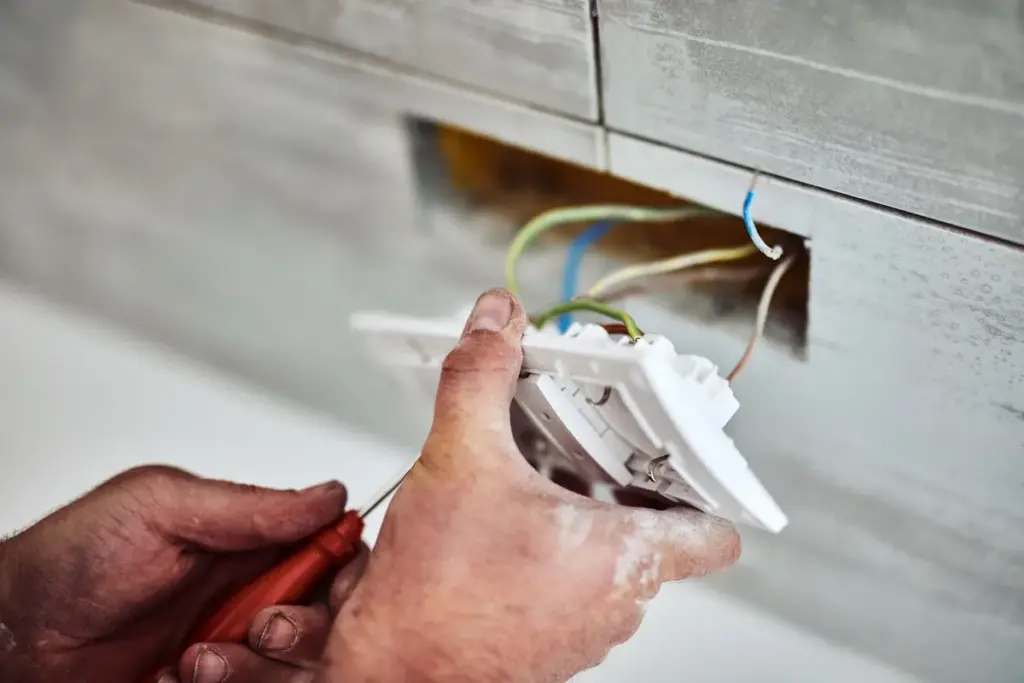
From there it’s a transfer switch installed next to your main panel, a dedicated circuit run from the switch to the generator pad or mounting location, and the generator itself set on a pad outside, usually near the gas meter if it’s a gas-fired unit. Power to the house gets shut off for a short window, typically under an hour, while the transfer switch ties in. If it’s a natural gas unit, the gas line sizing has to support the generator’s BTU draw, which sometimes means an upsized line run from the meter – that part gets coordinated with a licensed plumber. Once it’s wired, Brandon tests the automatic transfer sequence and confirms the unit picks up the right circuits when utility power drops.
What It Costs
Generator connection work in Middleton typically runs {PRICE_LOW} to {PRICE_HIGH}. A manual transfer switch setup for a portable generator sits at the low end. A whole-house automatic standby system with a larger transfer switch, a bigger dedicated circuit, and possibly a panel or service upgrade to support it sits at the high end. What moves the number most is your existing panel – if it’s already 200 amp with room to spare, the job is straightforward. If you’re still on 100 amp service or an older panel that needs replacing anyway, that gets folded into the estimate as its own line item, not hidden inside a generic quote.
How Long It Takes
Most Middleton generator hookups take one full day for the electrical portion once the generator itself is on site – transfer switch, wiring, and testing. If a panel upgrade or gas line resizing is part of the job, plan on it stretching to two days. The generator unit itself, if it’s being special-ordered for your load size, can add lead time before the installation even starts, so it’s worth getting the load calculation done early if you’re planning ahead of storm season rather than reacting to one.
Permits and Inspection
Generator installations are permitted work in Massachusetts. Brandon pulls the electrical permit, and the transfer switch and wiring get inspected by the town’s electrical inspector before the system is signed off. If gas piping is involved, that portion is permitted separately through the plumbing side. This isn’t paperwork for its own sake – an unpermitted transfer switch is one of the more common ways a generator backfeeds onto utility lines and puts a line worker at risk. A licensed, inspected install is the difference between doing this right and doing it the way a lot of handyman generator hookups get done.
Common Questions
Do I need a whole-house generator, or is a portable enough for a Middleton home?
It depends on what you need to keep running. If it's just a fridge, some lights, and a sump pump, a portable generator with a manual transfer switch is enough and costs less to install. If you've got a well pump, a heat pump, or a finished basement you don't want flooding, a whole-house automatic system is usually worth the difference.
Can I just plug a portable generator into an outlet during an outage?
No. Backfeeding a generator through a regular outlet without a transfer switch can send power back onto the utility lines and injure a line worker, and it's not legal. A transfer switch, even a manual one, isolates your house from the grid before the generator powers anything.
Will my 100 amp panel handle a generator connection?
A 100 amp panel can usually handle a smaller generator setup, but if you're adding a generator alongside an EV charger or heat pump, it's worth having the panel evaluated. Sometimes the generator project is the reason to finally upgrade to 200 amp service.
How often does a standby generator need to be serviced?
The generator itself needs periodic maintenance from the manufacturer's service schedule, similar to a car. The electrical connection – transfer switch and wiring – doesn't need regular service once it passes inspection, but it should be checked if you ever notice it not transferring cleanly during a test.
Does Belfiore handle the gas line for a natural gas generator too?
Yes. Chris handles the plumbing and gas side, including sizing the line for the generator's BTU draw, while Brandon handles the electrical connection. It's coordinated as one project, not two separate calls.
Reach Out for Generator Installation
If you’re tired of losing power every time a storm rolls off the coast, call {PHONE} and Brandon will set up a time to look at your panel and your property. Belfiore is a Salem-based company working across Middleton and the rest of the North Shore, and this is permitted, inspected electrical work from a licensed electrician, not a weekend hookup.
Contact information
Talk to Brandon
Brandon’s the electrician in the family, and generator connections are one of the jobs he gets called back to town for again and again once one house on a street loses power for two days and the neighbor doesn’t. He’ll walk your panel, tell you straight whether you need a full standby system or something smaller, and give you a number before anything gets scheduled.